
What if a tiny insect could significantly impact the health of our waterways? The Hydrilla Stem Weevil is redefining the battle against invasive species, showcasing how a small solution can yield big results in aquatic ecosystems. Let’s explore the key takeaways that will deepen your understanding of this innovative biocontrol agent.
What You Will Learn
- The Hydrilla Stem Weevil, or Bagous hydrillae, is a biocontrol agent that targets hydrilla plants, helping to limit their spread.
- This weevil's larvae damage the stems and tubers of hydrilla, making it easier for other control methods to be effective.
- Utilizing this natural regulator can reduce the reliance on chemical herbicides, promoting a healthier aquatic environment.
- The weevil contributes to ecological balance by allowing native plants to thrive, which enhances biodiversity and supports fish populations.
- Incorporating biocontrol strategies like the Hydrilla Stem Weevil fosters community engagement and awareness in aquatic conservation efforts.
The Hydrilla Stem Weevil: A Biocontrol Flow
The visual below illustrates the sequential process of how the Hydrilla Stem Weevil acts as a biocontrol agent against the invasive Hydrilla plant, from egg-laying to plant mortality.
1. Adult Weevil Lays Eggs
Adult Bagous hydrillae lay eggs on hydrilla stems.
2. Larvae Hatch & Burrow
Larvae hatch and burrow into hydrilla stems and tubers.
3. Plant Weakening
Feeding activity damages plant tissues, leading to weakening.
4. Plant Mortality & Ecosystem Restoration
Weakened plants become susceptible to other controls, leading to mortality and ecosystem recovery.
Understanding the Hydrilla Stem Weevil as a Biocontrol Agent
As someone who has extensively studied hydrilla and its impacts on our wetlands, I can tell you that the Hydrilla Stem Weevil (Bagous hydrillae) plays a crucial role in addressing the challenges posed by this invasive plant. This small insect, native to the Indian subcontinent, has shown great promise as a biocontrol agent. By attacking the hydrilla plant at its core, the weevil can help limit its spread and create a healthier aquatic ecosystem. More detailed information on the Hydrilla Stem Weevil's biology can be found from the University of Florida's Institute of Food and Agricultural Sciences.
Understanding the life cycle and behavior of the Hydrilla Stem Weevil allows environmental professionals to harness its potential effectively. Its larvae feed on the stems and tubers of hydrilla, weakening the plant and making it more susceptible to other control methods. Have you ever considered how a tiny weevil can make such a big impact? Let's delve into the importance of this little agent in our fight against invasive species.

What is the Hydrilla Stem Weevil (Bagous hydrillae)?
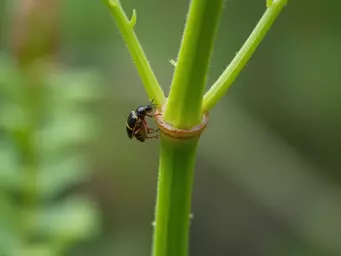
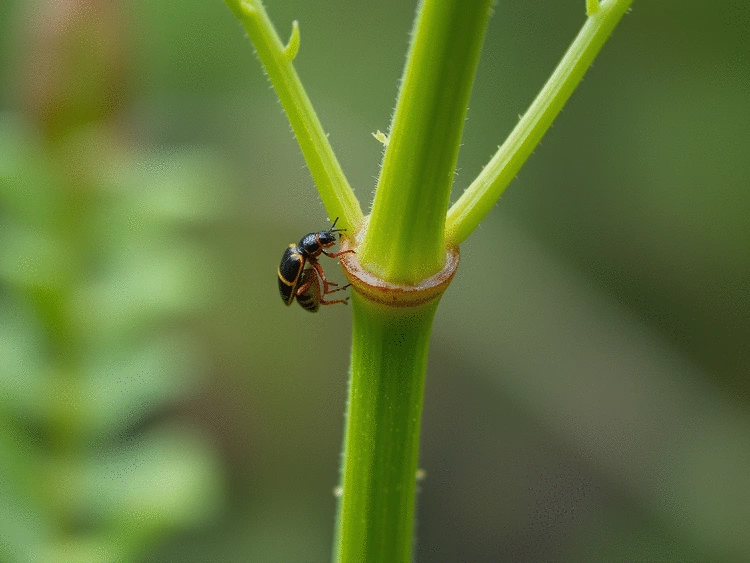
The Hydrilla Stem Weevil, scientifically known as Bagous hydrillae, is an aquatic insect that specifically targets hydrilla plants. It is identifiable by its elongated body and distinctive feeding habits. The adult weevil lays eggs on the hydrilla stems, and once the larvae hatch, they burrow into the stems, causing damage that can lead to plant mortality. Research on the weevil's effectiveness has been published in journals such as Environmental Entomology.
- Size: Typically around 3-4 mm in length.
- Color: Dark brown to black, blending well with the hydrilla plant.
- Life Cycle: The life cycle includes egg, larval, pupal, and adult stages, with larvae being the most damaging phase.
This targeted approach makes the Hydrilla Stem Weevil an effective biocontrol agent in integrated weed management strategies. By understanding its biology, we can employ it effectively against hydrilla infestations.
Importance of the Hydrilla Stem Weevil in Aquatic Weed Management
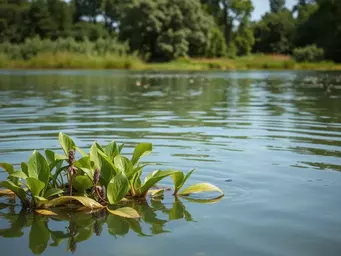
The role of the Hydrilla Stem Weevil in aquatic weed management cannot be overstated. It serves as a natural regulator for hydrilla populations, which can otherwise grow unchecked and dominate water bodies. As we know, hydrilla can outcompete native plants, disrupt local ecosystems, and even hinder recreational activities like fishing and swimming.
- Controls hydrilla growth effectively.
- Reduces the need for chemical herbicides.
- Promotes biodiversity by allowing native plants to thrive.
By integrating the Hydrilla Stem Weevil into our management plans, we not only combat hydrilla effectively but also enhance the overall health of our aquatic ecosystems. It's a win-win situation for both the environment and local communities.
Ecological Impact of the Hydrilla Stem Weevil on Aquatic Ecosystems
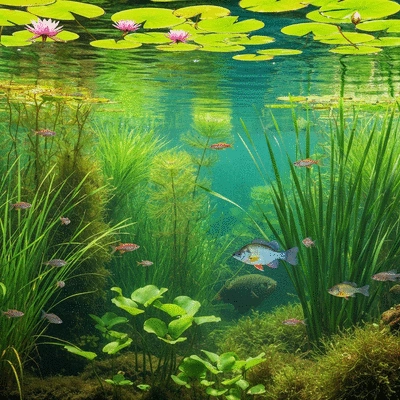
The ecological impact of the Hydrilla Stem Weevil extends beyond simply reducing an invasive species. Its presence helps restore balance to aquatic ecosystems that have been disrupted by hydrilla. When hydrilla populations decline due to the feeding habits of the weevil, native plants can reclaim their rightful place, fostering a diverse and resilient habitat. The Agricultural Research Service of the USDA also conducts extensive research on biological control agents like the Hydrilla Stem Weevil.
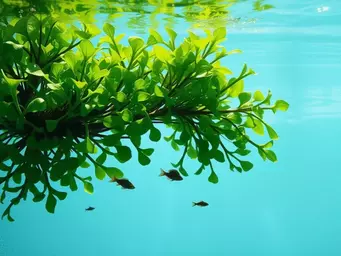
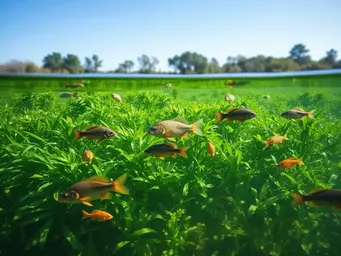
- Supports fish populations: By allowing native vegetation to flourish, fish species that rely on these plants for habitat and food can thrive.
- Enhances water quality: Fewer hydrilla plants mean better water circulation and improved oxygen levels.
- Encourages recreational use: Healthy ecosystems attract more visitors, boosting local economies.
The introduction of the Hydrilla Stem Weevil thus represents a significant step forward in our mission at the Hydrilla Conservation Initiative to protect and restore our ecosystems. As we continue to study and advocate for biocontrol measures, understanding these ecological impacts is vital for effective management strategies.
Interactive Poll: Your Experience with Biocontrol
Have you had any experiences using biocontrol agents in managing invasive species like hydrilla? We’d love to hear your thoughts! Please share your experiences in the poll below:
Frequently Asked Questions About the Hydrilla Stem Weevil
- Q: What is the Hydrilla Stem Weevil (Bagous hydrillae)?
- A: The Hydrilla Stem Weevil (Bagous hydrillae) is an aquatic insect used as a biocontrol agent to target and manage the invasive hydrilla plant. Its larvae burrow into hydrilla stems and tubers, weakening the plant.
- Q: How does the Hydrilla Stem Weevil help control hydrilla?
- A: The weevil's larvae feed on the stems and tubers of hydrilla, causing damage that weakens the plant and makes it more susceptible to other control methods, ultimately leading to plant mortality and reduced spread.
- Q: What are the environmental benefits of using the Hydrilla Stem Weevil?
- A: Using the Hydrilla Stem Weevil reduces reliance on chemical herbicides, promotes biodiversity by allowing native plants to thrive, supports fish populations, and enhances water quality by improving circulation and oxygen levels.
- Q: What is the life cycle of the Hydrilla Stem Weevil?
- A: The weevil's life cycle includes egg, larval, pupal, and adult stages. The adult lays eggs on hydrilla stems, and the larvae are the most damaging phase as they burrow into the plant.
- Q: How can land managers get involved in using biocontrol strategies?
- A: Land managers can access resources like the Hydrilla Invasive Plant Guide, utilize local extension services, participate in community workshops, and connect with research institutions and experts to implement effective biocontrol strategies.
Concluding Insights on Biocontrol and Future Directions
As we reflect on the role of biocontrol agents in managing hydrilla, it's essential to recognize the effective strategies we can adopt. By understanding the intricacies of these agents, we can make informed decisions that not only address the immediate challenges posed by hydrilla but also contribute to the long-term health of our aquatic ecosystems. Here are some recommendations for effective hydrilla management:
- Conduct regular monitoring to assess the impact of biocontrol agents.
- Implement integrated management strategies that combine biocontrol with other methods.
- Engage with local communities to raise awareness about the significance of aquatic conservation.
These steps can significantly enhance the efficacy of our efforts against invasive species like hydrilla. As someone deeply committed to environmental education, I believe that fostering collaboration among professionals and educators is key to making a sustainable impact.
Recommendations for Effective Hydrilla Management
To ensure successful management of hydrilla and other invasive species, we must prioritize a comprehensive approach that considers both current best practices and emerging research. Here are a few strategies that can enhance our management efforts:
- Utilize biocontrol agents where feasible, monitoring their effectiveness closely.
- Incorporate traditional and innovative monitoring methods to track both hydrilla and its biocontrol agents.
- Promote community engagement initiatives to encourage local stewardship of aquatic ecosystems.
By following these recommendations, we can better safeguard our waterways while promoting a healthy ecosystem. It's not just about managing hydrilla; it’s about fostering a culture of environmental respect and responsibility!
Future Research Needs in Biocontrol Agent Development
The future of biocontrol agents in aquatic weed management depends significantly on continued research. As we seek to improve our methodologies, we should focus on:
- Exploring new biocontrol agents that may be effective against hydrilla.
- Understanding the long-term ecological impacts of biocontrol methods.
- Developing better identification techniques for monitoring biocontrol agents and their effects.
By investing in research, we can enhance our understanding of hydrilla management and the delicate balance of our ecosystems. As someone who has spent years studying this field, I am excited about the possibilities that lie ahead!
Understanding the Role of Biological Diversity in Ecosystem Resilience
One of the most crucial aspects of managing invasive species like hydrilla is recognizing the importance of biological diversity. A diverse ecosystem is more resilient and can withstand the pressures of invasives more effectively. Here are a few reasons why diversity matters:
- Diverse ecosystems can support a wider range of species, enhancing overall stability.
- High biodiversity can lead to better nutrient cycling and ecosystem services.
- Variety among species fosters resistance to diseases and invasive species.
By promoting biodiversity, we not only help combat hydrilla but also strengthen our ecosystems against future threats. Our mission at the Hydrilla Conservation Initiative revolves around empowering individuals with the knowledge to protect these vital habitats.
Get Involved: Practical Next Steps for Land Managers
Resources for Monitoring and Implementing Biocontrol Strategies
As land managers and environmental professionals, you have the power to make significant strides in the fight against hydrilla. Here are some resources that can aid in monitoring and implementing biocontrol strategies:
- Access the Hydrilla Invasive Plant Guide for identification and management resources.
- Utilize local extension services for assistance in biocontrol implementation.
- Participate in community workshops focused on aquatic ecosystem management.
These resources can help equip you with the tools necessary for effective intervention. Remember, every small step you take can lead to meaningful outcomes!
Connecting with Research Institutions and Experts
Networking with research institutions and experts in the field is invaluable for successful hydrilla management. Here are some ways to forge these connections:
- Attend conferences focused on invasive species and aquatic management.
- Collaborate with local universities engaged in aquatic research.
- Join online forums and professional groups dedicated to conservation efforts.
Establishing these connections not only enhances your own knowledge but also encourages collaborative efforts to tackle the challenges presented by invasive species like hydrilla.
Engaging Stakeholders in Aquatic Ecosystem Conservation Practices
Engaging various stakeholders is crucial for effective conservation practices. Consider the following strategies to involve stakeholders:
- Organize community outreach programs that highlight the importance of aquatic conservation.
- Incorporate feedback from local stakeholders into management plans.
- Facilitate partnerships between public and private sectors for resource sharing.
By fostering collaboration, we can build a stronger community dedicated to protecting our waterways. So, what will you do to get involved in your local ecosystem efforts? Let’s make a difference together!
Recap of Key Points
Here is a quick recap of the important points discussed in the article:
- The Hydrilla Stem Weevil (Bagous hydrillae) is a promising biocontrol agent that targets invasive hydrilla plants.
- Effective management of hydrilla includes using biocontrol agents, traditional methods, and community engagement to promote ecosystem health.
- Biological diversity is crucial for ecosystem resilience, supporting stability and better nutrient cycling.
- Continued research is needed to explore new biocontrol agents and understand their long-term ecological impacts.
- Engaging stakeholders and local communities enhances conservation efforts and fosters a culture of environmental stewardship.