Understanding the intricate dynamics of invasive species like hydrilla is crucial for preserving our freshwater ecosystems. With its ability to disrupt local habitats, knowledge about its floral characteristics can empower effective management strategies. Let’s explore what you can learn about this fascinating plant.
What You Will Learn
- Hydrilla verticillata can thrive in diverse aquatic environments and has unique adaptability traits.
- Understanding the differences between male and female hydrilla flowers is key for effective management.
- Female flowers play a critical role in seed production, while male flowers facilitate pollination.
- Accurate identification of hydrilla flowers can significantly enhance ecological management strategies.
- Hydrilla's rapid growth negatively impacts biodiversity and local ecosystems through resource competition.
- Combining growth habits with morphological traits improves identification skills for better resource management.
Understanding Hydrilla: Male vs. Female Flowers
This visual highlights the key distinctions between male and female Hydrilla flowers, crucial for effective management and identification.
Male Hydrilla Flowers
- •
Size: Generally smaller, less noticeable.
- •
Arrangement: Often appear in dense clusters.
- •
Role: Produce pollen for reproduction.
Female Hydrilla Flowers
- •
Size: Larger, more prominent than male flowers.
- •
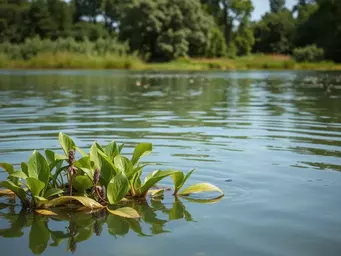
Arrangement: Often found floating individually on the water surface.
- •
Role: Responsible for seed production.
Understanding Hydrilla: An Overview of Flower Types
As an aquatic biologist, I often find myself immersed in the fascinating world of hydrilla. This invasive species, scientifically known as Hydrilla verticillata, poses significant challenges to our freshwater ecosystems. Understanding its flower types is crucial for effective management and conservation efforts. Let’s explore the basics of hydrilla and its floral characteristics!
In the context of invasive species, knowledge is power! Recognizing the differences between male and female hydrilla flowers can greatly influence our approach to controlling its spread. So, what makes these flowers so unique? Let's dive into their importance.
Introduction to Hydrilla verticillata
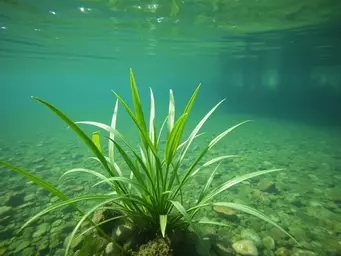
Hydrilla verticillata is a submerged aquatic plant that flourishes in nutrient-rich waters. It has highly adaptable growth patterns, which allow it to occupy various habitats, from lakes and ponds to slow-moving rivers. One of the most striking features of hydrilla is its ability to produce both male and female flowers, making it a fascinating subject for study. For a deeper understanding of its genetic diversity and spread, you can refer to research on genetically distinct strains of hydrilla in North America.
- Hydrilla can grow in a range of water depths.
- It features whorled leaves that help in identification.
- Both flower types contribute to its reproductive success.
As we uncover the different aspects of hydrilla flowers, you’ll see how they play a pivotal role in the plant’s life cycle. Understanding these features is essential for anyone aiming to manage or study this invasive species.
Importance of Identifying Male and Female Flowers
Identifying male and female hydrilla flowers is not just an academic exercise; it directly impacts our management strategies! Female hydrilla flowers are responsible for seed production, while male flowers release pollen. This distinction is vital in determining how we can control the plant's spread effectively, as detailed in resources like the University of Florida's guide on hydrilla.
- Male flowers: Generally smaller and produce pollen.
- Female flowers: Larger and lead to seed production.
- Understanding their roles helps inform management practices.
Accurate identification allows environmental professionals to tailor their approaches, ensuring that any interventions are both effective and sustainable. Remember, knowledge about hydrilla flowers empowers us to take action!
The Role of Hydrilla as an Invasive Species in Freshwater Ecosystems
As I’ve observed in my research, hydrilla can drastically alter aquatic ecosystems. Its rapid growth can choke waterways, leading to reduced biodiversity and upset local food webs. This invasive plant can outcompete native species for resources, highlighting the need for timely identification and management efforts. For more detailed information on aquatic plants, including hydrilla, you can consult publications such as Southeastern Aquatic Plants.
- Hydrilla can lead to decreased native fish populations.
- It contributes to poor water quality by blocking sunlight.
- Effective management is crucial to minimize its ecological impact.
In understanding its role as an invasive species, we begin to appreciate the urgency of our mission at the Hydrilla Conservation Initiative. The more we know, the better equipped we are to protect our vital waterways!
Distinctive Features of Hydrilla Flowers
Now that we have a foundation in hydrilla's importance, let's focus on its flowers' distinctive features. Recognizing these characteristics is key to effective identification. There are notable differences between male and female flowers that we must examine closely.
Pro Tip
To enhance your identification skills for hydrilla flowers, consider utilizing a field guide specifically tailored to aquatic plants in your region. This can significantly improve your ability to distinguish between male and female flowers in various environments, ultimately aiding in more effective management strategies.
Summarizing Key Identification Strategies for Hydrilla Flowers
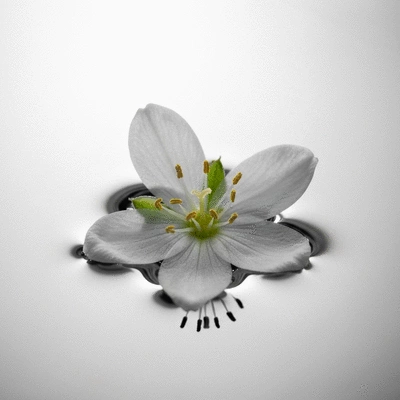
In our journey to understand hydrilla, it’s crucial to recap the distinctive differences between male and female flowers. Recognizing these differences can significantly enhance your ability to manage this invasive species effectively. Male flowers are typically smaller and less conspicuous, often appearing in clusters, while female flowers are larger and tend to float on the water's surface. Understanding these characteristics helps in recognizing which type of flower you are dealing with in various environments.
Recap of Male vs Female Flower Differences
- Male Flowers: Smaller, less noticeable, arranged in dense clusters.
- Female Flowers: Larger, more prominent, and often found floating on the water.
- Pollination Mechanisms: Male flowers release pollen into the water, whereas female flowers capture it, showcasing unique reproductive strategies.
By differentiating between these flower types, you can tailor your management strategies to the specific needs of each hydrilla population. With over a decade of experience in the field, I've seen how this knowledge can empower professionals to make informed decisions that protect our precious ecosystems.
Importance of Accurate Identification for Ecological Management
Accurate identification of hydrilla flowers is not just an academic exercise; it plays a vital role in effective ecological management. By knowing whether you're dealing with male or female flowers, you can better understand the plant's reproductive potential and tailor your management strategies accordingly. This understanding can influence everything from herbicide applications to biological control methods.
- Improves management efficiency.
- Informs control measures based on reproductive capacity.
- Enhances the success of restoration efforts by targeting specific flower types.
As part of the Hydrilla Conservation Initiative, I strive to provide resources that help professionals navigate these complexities. Every identification choice we make can either hinder or help our conservation efforts, making this knowledge essential!
Integrating Growth Habits and Morphological Traits in Identification
To master hydrilla identification, we must integrate both growth habits and morphological traits. Understanding how hydrilla grows and where it thrives allows for a more comprehensive approach to identification. For example, if you observe rapid growth during warmer months, it’s likely that you’ll encounter both flower types flourishing simultaneously.
- Growth Habits: Hydrilla can grow in various water conditions, influencing its flowering patterns.
- Morphological Traits: Leaf arrangement and stem characteristics can also aid in distinguishing between male and female plants.
- Environmental Influences: Factors like water temperature and clarity can affect flower visibility and abundance.
By combining these elements, you’ll enhance your identification skills, which is crucial for effective management of this invasive species. Are you ready to take the next step in your understanding of hydrilla? Let’s dive into practical applications!
Call to Action: Enhancing Your Hydrilla Identification Skills
As we wrap up this section, I invite you to enhance your hydrilla identification skills. The more you engage with your local environment, the better equipped you’ll be to combat the challenges posed by invasive species.
Frequently Asked Questions (FAQs)
Q1: Why is it important to distinguish between male and female hydrilla flowers?
A1: Distinguishing between male and female hydrilla flowers is crucial for effective management because female flowers are responsible for seed production, while male flowers produce pollen. Understanding their roles helps tailor control strategies to target the plant's reproductive potential.
Q2: What are the main physical differences between male and female hydrilla flowers?
A2: Male hydrilla flowers are generally smaller, less noticeable, and often appear in dense clusters. Female hydrilla flowers are larger, more prominent, and tend to float individually on the water's surface.
Q3: How does hydrilla impact freshwater ecosystems?
A3: Hydrilla can drastically alter aquatic ecosystems through rapid growth, choking waterways, reducing biodiversity, and disrupting local food webs. It outcompetes native species for resources and can lead to decreased native fish populations and poor water quality.
Q4: Can integrating growth habits help in hydrilla identification?
A4: Yes, integrating growth habits with morphological traits is essential for comprehensive identification. Observing rapid growth during warmer months, along with leaf arrangement and stem characteristics, can provide valuable clues about the presence and type of hydrilla flowers.
Q5: What is the primary role of female hydrilla flowers in reproduction?
A5: The primary role of female hydrilla flowers is seed production, which is a critical aspect of the plant's reproductive success and spread.
Recap of Key Points
Here is a quick recap of the important points discussed in the article:
- Hydrilla verticillata thrives in nutrient-rich waters and can adapt to various habitats.
- Identifying male and female hydrilla flowers is crucial for effective management strategies.
- Male flowers are smaller and produce pollen, while female flowers are larger and responsible for seed production.
- Hydrilla can significantly impact aquatic ecosystems by reducing biodiversity and altering food webs.
- Accurate identification enhances management efficiency and informs effective control measures.