Invasive aquatic plants can silently wreak havoc on our ecosystems, but understanding their impact empowers us to take action. What if you could be part of the solution? Here are the key insights that will equip you with knowledge to combat these invaders.
What You Will Learn
- Invasive aquatic plants, such as hydrilla, disrupt local ecosystems by outcompeting native species for resources.
- Early identification of invasive species is essential for preventing their spread and protecting local waterways.
- The economic impact of invasive plants includes decreased biodiversity and higher management costs, affecting local economies.
- Community involvement, including citizen science projects, plays a crucial role in monitoring and managing invasive species.
- Regulatory compliance is vital for effective management and conservation efforts against invasive aquatic plants.
The Pervasive Impact of Invasive Aquatic Plants
Invasive aquatic plants like hydrilla pose significant ecological and economic threats. This visual highlights the key consequences and the strategic approach to their management.
Ecological & Economic Consequences
- ●Decreased Biodiversity: Native species struggle.
- ●Water Quality Issues: Algal blooms & murky waters.
- ●Economic Costs: Recreational activities decline.
Invasive Species Council's Role
- ●Policy Development: Reduce introduction & spread.
- ●Public Awareness: Educate on management practices.
- ●Research Funding: Mitigate impacts of invasives.
Importance of Regulatory Compliance
- ●Protecting Native Species: Safeguard aquatic life.
- ●Maintaining Water Quality: Keep waterways clean.
- ●Supporting Conservation: Amplify ecosystem efforts.
Community Involvement & Citizen Science
- ●Local Waterway Cleanups: Mitigate spread.
- ●Data Collection Initiatives: Inform researchers.
- ●Educational Workshops: Foster proactive strategies.
Understanding Invasive Aquatic Plants and Their Impact
Invasive aquatic plants, like hydrilla, pose significant threats to our ecosystems. These plants, originally from other regions, spread rapidly and disrupt local habitats, leading to a cascade of ecological consequences. Understanding what constitutes an invasive aquatic plant is crucial for anyone invested in maintaining healthy waterways.
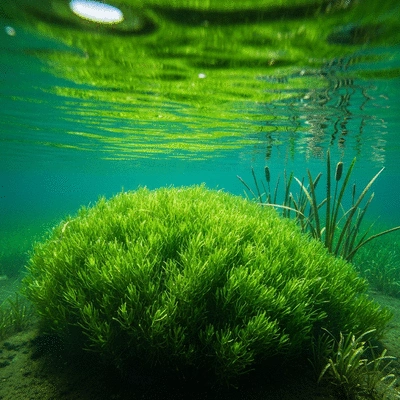
At the Hydrilla Conservation Initiative, we believe that knowledge is power. That's why we aim to equip environmental professionals and educators with the tools necessary to identify and manage these invasive species effectively. Have you ever encountered a plant that seemed out of place in your local waterway? That's the first step in recognizing the challenge we face!
Defining Invasive Aquatic Plants and Species
Invasive aquatic plants are species that are not naturally found in a given ecosystem and have been introduced either intentionally or accidentally. Once established, they can outcompete native plants for resources like sunlight, nutrients, and space. Some common examples include hydrilla, water hyacinth, and Eurasian watermilfoil. Their aggressive growth habits can lead to significant ecological changes. For a detailed classification of invasive species, you can refer to resources like the Wisconsin Department of Natural Resources.
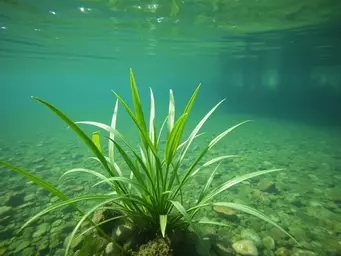
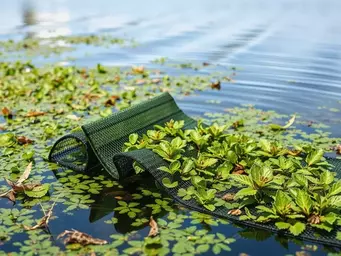
- Hydrilla: This fast-growing species can form dense mats, choking out native flora and altering aquatic environments.
- Water Hyacinth: Known for its beautiful purple flowers, this plant can block sunlight and disrupt aquatic life.
- Eurasian Watermilfoil: A perennial favorite among invasive species, it can rapidly take over lakes and ponds.
Identifying these plants early can help prevent their spread, making it essential for community members to familiarize themselves with their characteristics. The U.S. Fish and Wildlife Service provides further insights into aquatic invasive plants and their management.
Ecological and Economic Consequences of Invasive Species
The impact of invasive aquatic plants is not only ecological but also economic. These species can lead to decreased biodiversity, affecting fish populations, wildlife, and overall water quality. The economic toll is staggering, as resources spent on management and control can deplete funds that could otherwise support conservation efforts.
- Decreased Biodiversity: Native species struggle to survive as invasive plants take over.
- Water Quality Issues: Algal blooms often follow the introduction of invasive species, leading to murky waters and foul odors.
- Economic Costs: Local economies suffer as recreational activities like fishing and boating decline.
By understanding these consequences, we can take proactive measures to combat these invasive threats and advocate for healthier ecosystems.
Role of the Invasive Species Council in Managing Aquatic Plants
The Invasive Species Council plays a pivotal role in coordinating efforts to manage invasive aquatic plants. Through collaboration with government agencies, non-profits, and local communities, they develop strategies to prevent, monitor, and control these invasives effectively. Their involvement is vital, as they provide resources and support to those working on the front lines.
- Policy Development: The Council helps formulate policies that aim to reduce the introduction and spread of invasive species.
- Public Awareness Campaigns: Educating citizens about the importance of management practices is a key focus.
- Research Funding: The Council supports research initiatives aimed at understanding and mitigating the impacts of invasive species.
Engagement with the Council can empower individuals and organizations to take action, helping to safeguard our waterways for future generations.
We Want to Hear From You!
What do you think about the impact of invasive aquatic plants on your local ecosystem? Share your thoughts below:
Frequently Asked Questions (FAQs)
What are invasive aquatic plants?
Invasive aquatic plants are non-native species introduced to ecosystems where they don't naturally occur. They spread rapidly, outcompeting native plants for resources and disrupting local habitats, leading to ecological imbalances.
What are some common examples of invasive aquatic plants?
Common examples include hydrilla, which forms dense mats; water hyacinth, known for its rapid growth and blockage of sunlight; and Eurasian watermilfoil, which can quickly dominate lakes and ponds.
How do invasive aquatic plants impact ecosystems and local economies?
They cause decreased biodiversity, leading to struggles for native species, and contribute to water quality issues like algal blooms. Economically, they can reduce recreational activities such as fishing and boating, impacting local funds and increasing management costs.
What role does the Invasive Species Council play in managing these plants?
The Invasive Species Council coordinates efforts to manage invasive aquatic plants by developing policies, running public awareness campaigns, and funding research to prevent, monitor, and control these species.
Why is regulatory compliance important for managing invasive species?
Regulatory compliance provides a framework for controlling invasive aquatic plants, protecting native species, maintaining water quality, and supporting broader conservation efforts. Adhering to these laws ensures a collective approach to ecosystem recovery.
How can communities get involved in managing invasive aquatic plants?
Community involvement is crucial and can include participating in citizen science projects like local waterway cleanups, contributing to data collection initiatives for researchers, and attending educational workshops to learn about proactive management strategies.
Taking Action Against Invasive Aquatic Plants

In the fight against invasive aquatic plants, it's crucial to prioritize regulatory compliance. Adhering to federal, state, and local laws not only helps protect our waterways but also ensures that we are contributing to the broader mission of ecosystem recovery. As we engage with these regulations, we can better understand our role in managing invasive species like hydrilla. You can find more information on federal laws related to invasive species on sites like Invasive Species Info.
Compliance isn't just about following rules; it’s about fostering a shared responsibility among all stakeholders. This includes environmental professionals, educators, and even recreational users of our waters. By working together and respecting these regulations, we can create a sustainable future for our ecosystems!
The Importance of Regulatory Compliance
Regulatory compliance serves as the backbone of effective invasive species management. It provides a framework within which actions can be taken to control the spread of invasive aquatic plants. Here are some key reasons why compliance is essential:
- Protecting Native Species: By following regulations, we can help safeguard native aquatic life that is threatened by invasive species.
- Maintaining Water Quality: Invasive plants can disrupt water quality; proper management helps to keep our waterways clean and healthy.
- Supporting Conservation Efforts: Regulations often align with conservation goals, amplifying our collective efforts to restore affected ecosystems.
In my work with the Hydrilla Conservation Initiative, I've seen the importance of regulatory compliance firsthand. Educating others on these laws empowers everyone to take part in the solution!
Encouraging Community Involvement in Invasive Species Management
Community involvement is vital in combating invasive aquatic plants. By engaging individuals and groups, we can harness the collective power of our communities to make a real difference. One effective way to encourage this participation is through citizen science projects.
Citizen Science Projects for Monitoring Invasive Species
Citizen science projects allow everyday individuals to contribute to the monitoring and management of invasive species. These initiatives not only cultivate awareness but also foster a sense of ownership over local ecosystems. Here are some popular projects to consider:
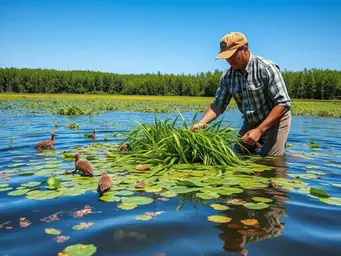
- Local Waterway Cleanups: Organizing community cleanups can help mitigate the spread of hydrilla and other invasive plants.
- Data Collection Initiatives: Volunteers can collect data on the presence and distribution of invasive species, providing invaluable information for researchers.
- Educational Workshops: Hosting workshops can educate community members about invasive species and encourage proactive management strategies.
As I've learned through my experience, getting involved is fulfilling and impactful! Together, we can cultivate a culture of stewardship that protects our precious waterways. So, what will you do to contribute to your local ecosystem today?
Recap of Key Points
Here is a quick recap of the important points discussed in the article:
- Understanding Invasive Aquatic Plants: Invasive species like hydrilla disrupt local ecosystems and outcompete native plants.
- Ecological and Economic Consequences: Invasive plants lead to decreased biodiversity, poor water quality, and economic losses for local communities.
- Role of the Invasive Species Council: They coordinate management efforts and develop policies to combat the spread of invasive species.
- Importance of Regulatory Compliance: Adhering to regulations protects native species, maintains water quality, and supports conservation efforts.
- Community Involvement: Engaging the community through citizen science projects helps monitor and manage invasive species effectively.