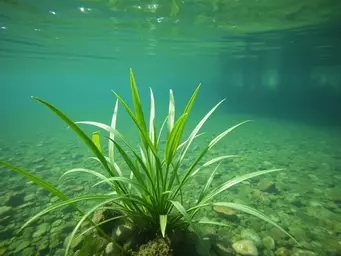
Have you ever wondered how a single invasive plant can drastically alter an entire ecosystem? Hydrilla verticillata, while visually appealing, poses significant threats to our waterways and local biodiversity. Understanding its impact is crucial for effective management and conservation efforts.
What You Will Learn
- Hydrilla disrupts ecosystems by displacing native vegetation, leading to habitat loss for aquatic life.
- Dense hydrilla growth degrades water quality, limiting oxygen availability for fish and other organisms.
- Recreational activities such as boating and fishing can become severely hindered in areas infested with hydrilla.
- Effective management requires understanding hydrilla's unique characteristics, including its rapid growth and reproductive strategies.
- Monitoring key performance indicators (KPIs), such as reduction in hydrilla coverage and water quality improvements, is essential for evaluating management success.
- Environmental Impact Assessments (EIAs) can inform better management strategies and foster community engagement in invasive species control.
Evaluation Metrics for Hydrilla Management Success
Understanding the effectiveness of hydrilla management involves key performance indicators focused on ecological and financial outcomes.
Treatment Efficacy KPIs
- ✓Reduction in hydrilla coverage
- ✓Improved water quality parameters
- ✓Restoration of native species
Return on Investment Factors
- ●Cost-effectiveness of methods
- ●Long-term economic benefits
- ●Stakeholder support & funding
Understanding Hydrilla Management in Large Lakes
As an aquatic biologist, I often find myself addressing a crucial question: What makes hydrilla such a significant concern in large lakes? Hydrilla verticillata, commonly known as hydrilla, is an invasive aquatic plant that can rapidly dominate waterways. Its ability to adapt and thrive in various conditions poses a serious threat to native ecosystems. This article will dive into the complexities of hydrilla management and offer insights on effective strategies to combat this pervasive species.
With its lush green foliage, hydrilla may look appealing, but its impact is anything but benign. It can choke waterways, disrupt local fisheries, and negatively affect recreational activities. Understanding the biology and behavior of hydrilla is the first step in tackling its spread, and at the Hydrilla Conservation Initiative, we strive to provide you with the tools and knowledge needed for effective management.
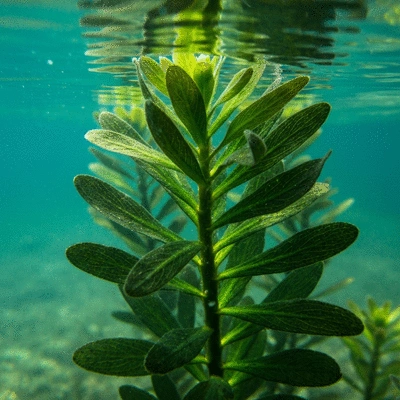
What is Hydrilla and Why is it a Concern?
Hydrilla is a submerged aquatic plant that can grow in various habitats, from shallow lakes to slow-moving rivers. Its rapid growth rate allows it to outcompete native plants for sunlight and nutrients. Here’s why it’s essential to address this invasive species:
- Disruption of Ecosystems: Hydrilla can displace native aquatic vegetation, leading to habitat loss for fish and other wildlife. For instance, the U.S. Fish and Wildlife Service actively works on controlling newly found hydrilla to protect aquatic habitats.
- Water Quality Degradation: Dense hydrilla stands can limit oxygen availability in the water, harming aquatic life.
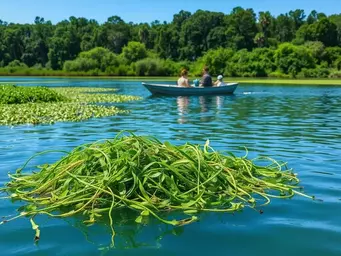
- Recreational Challenges: Boating, fishing, and swimming can become difficult or even impossible in heavily infested waters.
As we work to protect our waterways, it is vital to recognize the broad implications of hydrilla’s presence. By being informed, we can take action to mitigate its effects.
Identifying the Impacts of Invasive Aquatic Plants
Invasive aquatic plants like hydrilla have far-reaching impacts, not only on biodiversity but also on human activities. Understanding these impacts is key to developing effective management strategies. Here are some of the most notable effects:
- Altered Food Webs: The introduction of hydrilla can change the dynamics of food chains, affecting fish populations and other wildlife.
- Economic Consequences: Increased management costs and decreased property values in infested areas can impact local economies. The Texas Parks and Wildlife Department provides insights into the economic and ecological concerns associated with hydrilla.
- Altered Water Flow: Dense mats of hydrilla can impede water flow, leading to flooding and higher water levels.
By recognizing the extensive ramifications of invasive species, we can better advocate for proactive management strategies that protect both our ecosystems and communities.
Hydrilla verticillata: Characteristics and Behavior in Aquatic Ecosystems
To effectively manage hydrilla, we first need to understand its unique characteristics. Hydrilla verticillata has several distinct features, including:
- Leaf Structure: The leaves are typically arranged in whorls of five to seven, making them easy to identify.
- Growth Rate: Hydrilla can grow up to one inch per day under optimal conditions, allowing it to spread rapidly. States like Michigan are actively fighting this long-feared aquatic invader due to its aggressive growth.
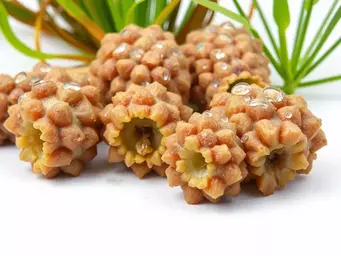
- Reproductive Strategies: This plant can reproduce through both seeds and vegetative fragmentation, contributing to its resilience.
Understanding these characteristics helps us formulate targeted management approaches. The more we learn about hydrilla, the more equipped we become to protect our precious waterways.
Interactive Poll: Your Thoughts on Hydrilla Management
As we work to combat the spread of hydrilla, we want to hear from you! What management strategies have you found to be most effective in your experience? Share your thoughts below:
Evaluating the Success of Hydrilla Management Efforts
When tackling the challenge of managing hydrilla, it’s essential to evaluate the effectiveness of our efforts. This evaluation not only helps us understand how well our strategies are working but also guides future endeavors. In my experience with the Hydrilla Conservation Initiative, I’ve seen firsthand how measuring treatment efficacy can significantly influence the path forward.
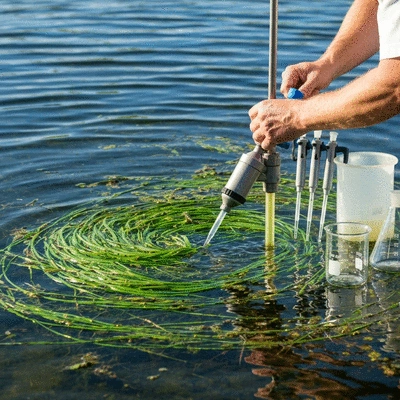
To ensure we’re on the right track, we need a structured approach to assess our management efforts. This involves looking at our resources, financial investments, and the ecological outcomes of our interventions. Have you ever wondered how to quantify success in managing invasive species? Let's dive into the methodologies that make this evaluation possible.
Measuring Treatment Efficacy and Return on Investment
Establishing clear metrics is crucial for any successful management plan. When it comes to hydrilla, we need to define what success looks like. Here are some key performance indicators (KPIs) to consider when measuring treatment efficacy:
- Reduction in hydrilla coverage
- Improvements in water quality parameters
- Restoration of native aquatic species populations
- Cost-effectiveness of management methods
By systematically tracking these indicators, we can determine whether our strategies are yielding the desired results. This data-driven approach not only provides transparency but also aids in securing support from stakeholders who are invested in the health of our ecosystems.
Establishing Key Performance Indicators for Success
Setting specific KPIs tailored to your local conditions is vital. Consider things like monitoring aquatic biodiversity and assessing habitat restoration. Each project may require its unique set of indicators based on the specific challenges present. Have you identified the KPIs that matter most for your area? Tailoring them to your regional context can make all the difference!
Conducting Environmental Impact Assessments to Inform Future Strategies
Environmental Impact Assessments (EIAs) are a necessary step in evaluating our management practices. They help us understand not only the direct impacts of our actions but also any unintended consequences. When we assess the outcomes of our hydrilla management efforts, we’re better positioned to refine our strategies moving forward.
In my work, I’ve seen how EIAs inform policy adjustments and improve community engagement by providing clear evidence of what works and what doesn’t. This data is invaluable in fostering a collaborative effort to tackle invasive species sustainably.
Frequently Asked Questions About Hydrilla Management
- Q1: What is Hydrilla verticillata?
- A1: Hydrilla verticillata is an invasive aquatic plant that rapidly grows and spreads, displacing native vegetation and disrupting aquatic ecosystems.
- Q2: Why is hydrilla a significant concern for waterways?
- A2: Hydrilla chokes waterways, degrades water quality by reducing oxygen, harms native species by displacing them, and hinders recreational activities like boating and fishing.
- Q3: How does hydrilla reproduce and spread so quickly?
- A3: Hydrilla can reproduce through both seeds and vegetative fragmentation. Its rapid growth rate, up to one inch per day, allows it to quickly dominate aquatic environments.
- Q4: What are Key Performance Indicators (KPIs) for successful hydrilla management?
- A4: KPIs include reduction in hydrilla coverage, improvements in water quality parameters, restoration of native aquatic species, and the cost-effectiveness of management methods.
- Q5: What role do Environmental Impact Assessments (EIAs) play in hydrilla management?
- A5: EIAs help evaluate the direct and indirect impacts of management practices, informing policy adjustments, refining strategies, and improving community engagement by providing data on what works and what doesn't.
Recap of Key Points
Here is a quick recap of the important points discussed in the article:
- Understanding Hydrilla: Hydrilla verticillata is an invasive aquatic plant that disrupts ecosystems by outcompeting native species for resources.
- Identifying Impacts: The presence of hydrilla can lead to water quality degradation, altered food webs, and economic consequences for local communities.
- Characteristics of Hydrilla: Recognizing its unique leaf structure and rapid growth can aid in effective management strategies.
- Measuring Success: Key performance indicators such as reduction in coverage and water quality improvements are essential for evaluating management efforts.
- Environmental Impact Assessments: Conducting EIAs is critical for refining management strategies and ensuring sustainable practices.