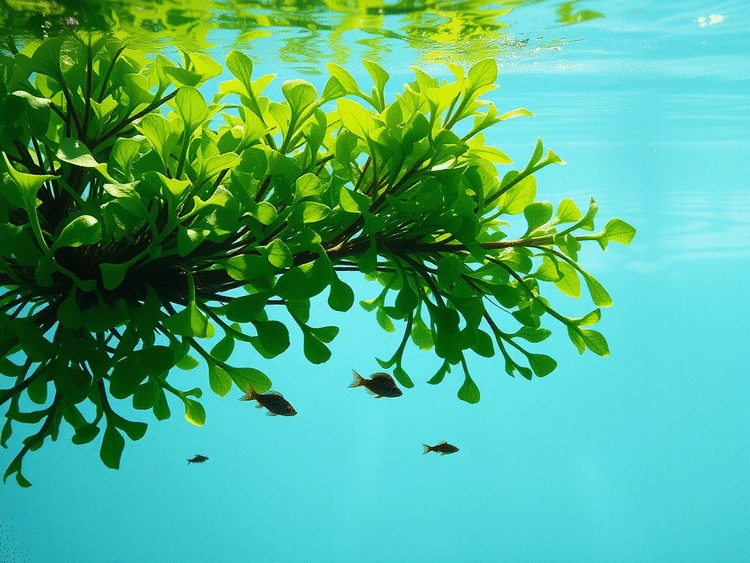

What if I told you that a single aquatic plant could reshape an entire ecosystem? The invasive hydrilla not only proliferates at alarming rates but also poses a significant threat to biodiversity and water quality. Understanding its impact is crucial for anyone invested in ecosystem health.
What You Will Learn
- Hydrilla uses tubers and fragmentation for rapid reproduction, allowing it to quickly dominate freshwater systems.
- Dense mats formed by hydrilla can block sunlight, disrupt photosynthesis, and reduce oxygen levels in water bodies.
- The success of recovery efforts post-hydrilla removal is influenced by the extent of infestation and the health of native species.
- Climate change may exacerbate hydrilla's spread by creating more favorable conditions for its growth.
- Promoting biodiversity is essential for mitigating the negative effects of hydrilla, as diverse ecosystems can buffer against invasive species.
Hydrilla's Aggressive Growth & Ecosystem Impact
Hydrilla's rapid growth strategies and dense mat formation significantly alter aquatic ecosystems, impacting native species and water quality.
Aggressive Growth Strategies
- ✓ Tubers: Survival & rapid regrowth.
- ✓ Fragmentation: New plants from pieces.
- ✓ High Light Adaptability: Outcompetes native species.
Impacts of Dense Mat Formation
- ● Reduced Oxygen: Less light for native plants.
- ● Altered Habitats: Suffocates native species.
- ● Water Quality Issues: Nutrient loading from decay.
Hydrilla verticillata Characteristics
- ■ Rapid Growth: Up to 1 inch per day.
- ■ High Reproductive Capacity: Thousands of tubers.
- ■ Environmental Tolerance: Thrives in diverse freshwater.
Ecosystem Recovery Factors
- ▶ Extent of Infestation: Dictates restoration intensity.
- ▶ Native Species Presence: Facilitates quicker recovery.
- ▶ Water Quality: Promotes healthy aquatic life.
Understanding Hydrilla: The Invasive Aquatic Plant's Growth and Habitats
Hydrilla, an invasive aquatic plant, is notorious for its aggressive growth strategies that allow it to dominate freshwater ecosystems. Through various reproductive methods, such as tubers and fragmentation, hydrilla can quickly establish itself in aquatic environments. This rapid proliferation presents significant challenges for environmental professionals and educators alike, as it threatens native species and disrupts ecological balance.
Have you seen the stark contrast that hydrilla brings to a waterway? Its ability to reproduce and spread rapidly means that a small infestation can turn into a dense mat in no time, making effective management crucial for maintaining healthy aquatic environments.
Hydrilla's Aggressive Growth Strategies and Their Ecological Role
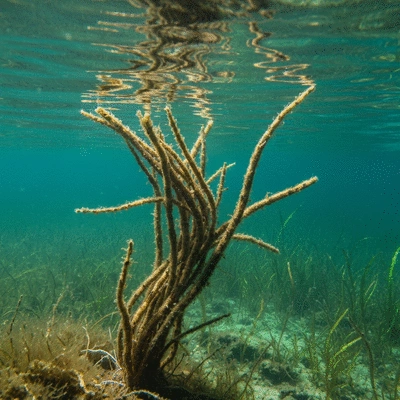
Hydrilla employs a range of growth strategies that contribute to its status as a formidable invader. Here are some key methods:
- Tubers: These storage organs allow hydrilla to survive unfavorable conditions and regrow rapidly when conditions improve.
- Fragmentation: When pieces of hydrilla break off, they can generate new plants, leading to exponential growth in a very short time.
- High light adaptability: Hydrilla can thrive in low-light conditions, allowing it to outcompete native species for resources.
These strategies not only enable hydrilla to thrive but also significantly impact the ecological dynamics within freshwater systems. For instance, as hydrilla proliferates, it can crowd out native plants, reducing biodiversity and altering food webs. For more detailed information on its spread and impact, you can refer to this fact sheet on Hydrilla from Penn State Extension.
The Formation of Dense Mats and Their Impact on Aquatic Ecosystems
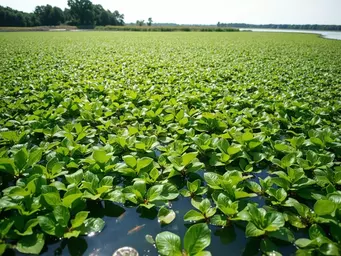
The formation of dense mats by hydrilla significantly alters the aquatic habitat. These mats can block sunlight from reaching submerged plants and disrupt photosynthesis, which is vital for maintaining healthy ecosystems. The consequences are profound:
- Reduced oxygen production: With less light reaching native plants, oxygen levels in the water may decline.
- Altered habitats: Dense mats provide cover for some species but can suffocate others, leading to a decline in biodiversity.
- Water quality issues: The decay of large quantities of hydrilla can contribute to nutrient loading, promoting further ecological imbalances.
As an aquatic biologist passionate about ecosystem conservation, I often emphasize the importance of understanding these impacts. By recognizing how hydrilla transforms habitats, we can develop more effective management strategies.
The Role of Hydrilla verticillata in Freshwater Ecosystems
Hydrilla verticillata is particularly notorious for its invasive nature, and understanding its specific characteristics is essential for effective control. This species is notable for:
- Rapid growth rates: Hydrilla can grow up to one inch per day under optimal conditions.
- High reproductive capacity: Each plant can produce thousands of tubers, perpetuating its spread.
- Environmental Tolerance: Hydrilla can thrive in a variety of freshwater settings, whether still or flowing, deep or shallow. These characteristics make it a formidable invasive species, as highlighted by resources like the Rivers Alliance of Connecticut's statement on hydrilla management.
These traits not only make hydrilla a resilient invasive species but also pose considerable challenges to restoration efforts aimed at protecting our native aquatic ecosystems. Understanding the biology of hydrilla is the first step in combating its spread and safeguarding our waterways.
We Want to Hear From You!
Have you ever encountered hydrilla in your local waterways? What methods have you found effective in managing its growth? Share your experiences and insights below:
Addressing the Long-Term Ecological Consequences of Hydrilla
As an aquatic biologist deeply invested in the health of our ecosystems, I often ponder the long-term recovery potential of environments once dominated by hydrilla. After its removal, ecosystems face a challenging journey towards recovery, influenced by a variety of factors, including the extent of infestation, remaining biodiversity, and the overall resilience of the habitat.
Restoration efforts can be daunting yet rewarding. They often involve not just the removal of hydrilla but also the restoration of native species and habitats to ensure a balanced ecosystem. Factors such as nutrient levels and water quality play a significant role in determining how quickly and effectively an ecosystem can heal. Have you witnessed such recovery efforts in your local waterways? Your experiences can shed light on the complexities involved.
Recovery Potential of Ecosystems After Hydrilla Removal
Assessing the recovery potential of ecosystems post-hydrilla removal involves considering several critical factors:
- Extent of Infestation: Heavily infested areas may require more intensive restoration efforts than less affected zones.
- Native Species Presence: A strong population of native species can facilitate quicker recovery.
- Nutrient Dynamics: Managing nutrient levels is essential to prevent eutrophication and support new plant growth.
- Water Quality: Clean, well-oxygenated water promotes healthy aquatic life and aids recovery. The Rhode Island Department of Environmental Management offers insights into managing hydrilla and restoring water quality.
In my work with the Hydrilla Conservation Initiative, I've observed that the success of recovery efforts often hinges on a collaborative approach that engages local stakeholders. It’s vital to monitor these ecosystems closely to adapt strategies as needed, ensuring that the path to recovery is both effective and sustainable.
The Role of Climate Change in Hydrilla Dynamics
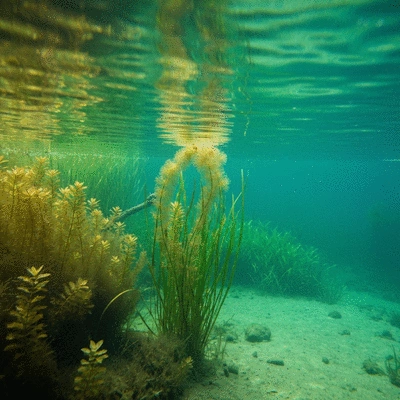
Climate change is an increasingly important factor in the dynamics of hydrilla spread. Rising temperatures and altered precipitation patterns can create favorable conditions for hydrilla to thrive, exacerbating its impact on aquatic ecosystems. This underscores the necessity for adaptive management strategies that take climate variables into account.
Consider these implications:
- Temperature Increases: Warmer waters can enhance hydrilla growth rates.
- Altered Rainfall Patterns: Changes in water levels can affect hydrilla’s spread and habitat availability.
- Impact on Native Fauna: Shifts in species distributions due to climate change may alter the interactions between hydrilla and aquatic fauna.
In light of these factors, it’s crucial for us as environmental professionals to develop flexible management plans that can adapt to ongoing climate shifts. Engaging communities in these discussions can help foster a sense of shared responsibility for our ecosystems.
The Importance of Biodiversity in Mitigating Hydrilla Impacts
Maintaining biodiversity within aquatic ecosystems is essential for mitigating the negative impacts of hydrilla invasions. A rich diversity of plant and animal life can enhance ecosystem resilience, helping to buffer against the disruptive effects of invasive species.
Here are some benefits of promoting biodiversity:
- Habitat Stability: Diverse ecosystems are more stable and can recover more easily from disturbances.
- Food Web Integrity: A variety of species helps sustain complex food webs that can withstand changes.
- Increased Competition: Native species can compete with hydrilla, limiting its growth and spread.
At the Hydrilla Conservation Initiative, we emphasize the importance of biodiversity in our management strategies, educating stakeholders about the interconnectedness of species and the critical roles they play in ecosystem health. By working together to protect native species, we can foster resilience against invasive threats like hydrilla.
Frequently Asked Questions About Hydrilla
- Q: What makes hydrilla an aggressive invasive plant?
- A: Hydrilla is aggressive due to its rapid reproduction methods, including tubers and fragmentation, and its ability to thrive in various light and environmental conditions, allowing it to quickly outcompete native species.
- Q: How do dense hydrilla mats impact aquatic ecosystems?
- A: Dense hydrilla mats block sunlight, reducing photosynthesis and oxygen levels, altering habitats, suffocating native species, and leading to water quality issues due to nutrient loading from decaying plant matter.
- Q: What factors influence the recovery of an ecosystem after hydrilla removal?
- A: Recovery depends on the extent of the initial infestation, the presence and health of native species, effective management of nutrient levels, and the overall water quality of the ecosystem.
- Q: How does climate change affect hydrilla's spread?
- A: Climate change, particularly rising temperatures and altered rainfall patterns, can create more favorable conditions for hydrilla's growth and spread, exacerbating its invasive impact on aquatic environments.
- Q: Why is biodiversity important in managing hydrilla invasions?
- A: Biodiversity helps create more stable and resilient ecosystems. Diverse native species can compete with hydrilla, maintain food web integrity, and buffer the ecosystem against the disruptive effects of invasive species.
Recap of Key Points
Here is a quick recap of the important points discussed in the article:
- Aggressive Growth: Hydrilla can reproduce rapidly through tubers and fragmentation, allowing it to dominate freshwater ecosystems.
- Ecological Impact: Dense mats formed by hydrilla can block sunlight, disrupt photosynthesis, and lead to reduced oxygen levels in the water.
- Recovery Challenges: Post-hydrilla removal, ecosystems face the challenge of recovery influenced by infestation extent, native species presence, and nutrient dynamics.
- Climate Change Influence: Rising temperatures and altered precipitation patterns may create favorable conditions for hydrilla, necessitating adaptive management strategies.
- Biodiversity Importance: Maintaining biodiversity helps ecosystems resist invasive species like hydrilla, supporting overall ecosystem health and resilience.