
What if the very conditions surrounding our waterways are enabling the invasion of hydrilla? Understanding its growth factors is crucial for effective management. Let's dive into the essential insights that can empower you in the fight against this invasive species.
What You Will Learn
- Frequent flooding facilitates hydrilla spread by creating new habitats and increasing nutrient availability.
- Larger water bodies support stable conditions that enhance hydrilla's root establishment and growth.
- Hydrilla thrives in specific pH levels (6.5-7.5), making water chemistry critical for its management.
- Eutrophic conditions, rich in nutrients, greatly encourage hydrilla proliferation, while oligotrophic conditions suppress it.
- Natural disturbances such as storms and floods can significantly alter hydrilla distribution and growth patterns.
- Seasonal changes and water temperature influence hydrilla growth, making timing crucial for management efforts.
Understanding Hydrilla's Environmental Triggers
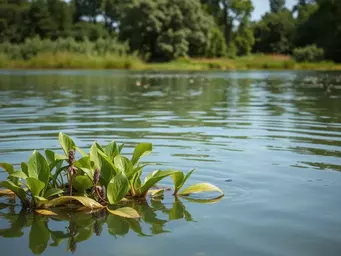
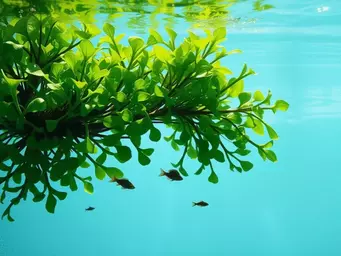
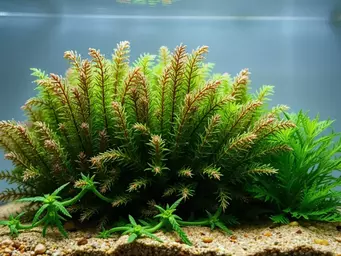
Hydrilla, an invasive aquatic plant, thrives under specific environmental conditions. The visual below highlights key factors that contribute to its establishment and proliferation in waterways.
Key Ecological Conditions
Flood Frequency
Frequent flooding enhances spread and nutrient availability.
Pool Size & Volume
Larger, stable pools support extensive root systems.
Water Chemistry Influences
pH & Oxygen
Optimal pH (6.5-7.5) and high oxygen levels favor hydrilla.
Eutrophic Conditions
Nutrient-rich waters promote excessive hydrilla growth.
Disturbance Regimes
Floods & Storms
These events promote spread through fragmentation and wash-away.
Seasonal Changes
Warmer temperatures accelerate growth rates and dictate management.
Understanding Environmental Factors Affecting Hydrilla Growth
To effectively manage hydrilla, we must first grasp the environmental factors that contribute to its growth. As an aquatic biologist, I’ve witnessed how specific ecological conditions create ideal habitats for this invasive plant. In this section, we'll explore the key conditions that favor hydrilla establishment and survival, empowering you with the knowledge to address its impact on our waterways.
Key Ecological Conditions Essential for Hydrilla Establishment
The Role of Flood Frequency in Hydrilla Proliferation
Flooding can significantly enhance hydrilla’s ability to spread. When waters rise, hydrilla fragments can travel to new locations, establishing themselves in previously unaffected areas. This rapid proliferation is partly why understanding flood frequency is crucial. The more frequent the floods, the greater the chance for hydrilla to disperse and thrive.
- Increased nutrient availability from soil erosion
- Enhanced sediment deposition that supports root anchoring
- Opportunities for fragments to colonize new habitats
As you can see, frequent flooding creates a perfect storm for hydrilla. It’s essential to consider local flood patterns when planning management strategies.
Impact of Pool Size and Volume on Hydrilla Habitats
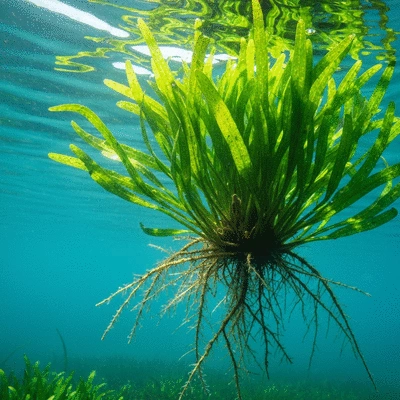
The size of a water body can also influence hydrilla growth. Larger pools offer a more stable environment, allowing hydrilla to establish extensive root systems. These habitats can become a breeding ground for invasive species, as detailed in this position paper on hydrilla management. Understanding the relationship between pool size and volume is vital for effective management practices.
- Large pools provide ample sunlight and nutrient access
- Stable water levels help maintain hydrilla populations
- Increased competition with native species can occur
Recognizing how size affects hydrilla's establishment can guide conservation efforts, especially in vulnerable ecosystems.
Water Chemistry and Its Influence on Hydrilla Survival
Examining pH Levels and Oxygen Concentration
Water chemistry plays a pivotal role in hydrilla’s survival and growth. Specifically, pH levels and oxygen concentration can determine whether hydrilla can flourish in a particular environment. In my research, I’ve observed that hydrilla often thrives in waters with a pH between 6.5 and 7.5, which is common in many freshwater systems. For more detailed information on hydrilla's biology and impacts, refer to this resource from the University of Florida IFAS Extension.
- Optimal pH levels support nutrient uptake
- Low oxygen levels can stress native species
- High oxygen levels favor hydrilla competition
As you contemplate your approach to hydrilla management, consider testing water chemistry to inform your strategies.
How Eutrophic and Oligotrophic Conditions Affect Growth
Understanding the difference between eutrophic and oligotrophic conditions is key to managing hydrilla. Eutrophic waters are rich in nutrients, which can lead to excessive hydrilla growth. Conversely, oligotrophic waters are low in nutrients and less prone to hydrilla invasions. This distinction is crucial for anyone working to protect our waterways.
- Eutrophic systems: High nutrient levels encourage hydrilla
- Oligotrophic systems: Limited nutrients hinder hydrilla growth
By monitoring these conditions, we can better anticipate and manage hydrilla infestations.
The Importance of Nutrient Levels in Supporting Hydrilla Growth
Nutrient levels directly influence hydrilla’s ability to thrive. High levels of nitrogen and phosphorus are particularly beneficial for hydrilla, allowing it to outcompete native vegetation. As environmental professionals, it’s crucial to monitor nutrient inputs from agricultural runoff and wastewater to mitigate hydrilla growth.
- Excessive nutrient loading fosters dense hydrilla populations
- Control of nutrient sources can limit hydrilla spread
- Monitoring nutrient levels helps inform management practices
Addressing these nutrient dynamics is fundamental to safeguarding our native ecosystems.
Disturbance Regimes: Understanding Their Effects on Hydrilla
The Impact of Floods and Storms on Hydrilla Distribution
Natural disturbances, such as floods and storms, can have significant implications for hydrilla distribution. These events can either promote its spread or limit its proliferation, depending on the severity and timing. As we observe these effects, it becomes clear that disturbances are critical factors in the management landscape.
- Floods can wash away competing native species
- Storms may break hydrilla fragments for new colonization
- Understanding the cycle of disturbances informs proactive management
By recognizing how disturbances influence hydrilla, we can devise better strategies to mitigate its impact.
Long-term Effects of Environmental Disturbances on Growth Patterns
Long-term environmental disturbances, such as droughts or prolonged flooding, can alter hydrilla growth patterns. These changes can either enhance or reduce its competitive edge against native species. Notably, the response of hydrilla to these shifts is essential for understanding its ecological impact, as described by the USGS Nonindigenous Aquatic Species database.
- Drought may temporarily limit hydrilla spread
- Recovery periods after floods can boost hydrilla populations
- Long-term studies are crucial for effective management
Monitoring these long-term effects will help us anticipate future challenges in managing hydrilla.
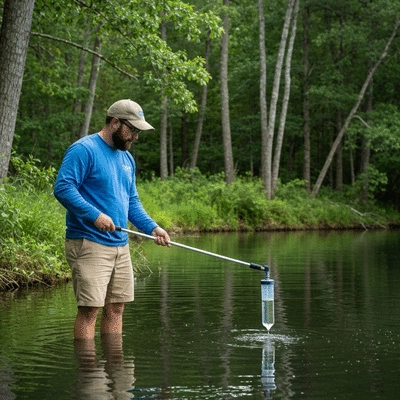
The Role of Seasonal Changes and Water Temperature on Hydrilla Dynamics
Seasonal changes play a significant role in hydrilla dynamics. Water temperature, in particular, can influence its growth rate, with warmer temperatures generally favoring rapid growth. Understanding these seasonal patterns is critical for anyone involved in aquatic conservation.
- Warmer waters enhance photosynthesis and growth rates
- Cold temperatures can slow down hydrilla's metabolism
- Seasons dictate management timing for effective control
By aligning our management efforts with seasonal shifts, we can enhance our effectiveness in combating hydrilla.
Pro Tip
To effectively manage hydrilla in your local waterways, consider conducting regular assessments of water chemistry and nutrient levels. Monitoring pH and nutrient concentrations can provide insights into potential hydrilla growth conditions, allowing for timely interventions. Engaging with local environmental groups to share findings can enhance community awareness and foster collaborative management efforts.
Summarizing Key Insights on Hydrilla Management
As we've explored throughout this article, understanding the various environmental influences on hydrilla growth and establishment is crucial for effective management. Hydrilla thrives in specific conditions, and recognizing these factors can empower us to devise targeted strategies to combat its spread. Here’s a brief recap of the key points we've discussed:
- The importance of flood frequency and water chemistry in hydrilla habitats.
- How disturbances like storms can impact hydrilla distribution and growth.
- Hydrilla's adaptability to different water conditions and its ecological effects.
These insights highlight the complex relationship between hydrilla and its environment, underlining the necessity for comprehensive management approaches that consider these dynamics. Whether it’s adjusting water management policies or implementing innovative control methods, we must remain proactive in our efforts to protect our ecosystems.
Future Directions for Research and Management Approaches
Looking ahead, it’s essential to integrate climate change considerations into our research and management practices. As aquatic biologists and environmental professionals, we must address how shifting climate patterns could affect hydrilla dynamics in the coming years. One avenue for exploration includes:
- Assessing how rising temperatures may influence hydrilla growth rates.
- Understanding the potential for changes in precipitation patterns to impact freshwater ecosystems.
- Investigating the role of nutrient runoff in eutrophication under climate variability.
By focusing on these areas, we can develop more effective management techniques that are resilient to the challenges posed by climate change. It’s a collaborative effort that requires the support and engagement of the entire community.
Engaging with the Community for Effective Hydrilla Control
Encouraging Local Initiatives and Stakeholder Collaboration
Community involvement is vital in the fight against hydrilla. At the Hydrilla Conservation Initiative, we believe that local initiatives can make a significant difference. By fostering collaboration among stakeholders—like local governments, environmental organizations, and citizens—we can create a unified approach to managing invasive species. Here are some ways we can engage:
- Organizing community workshops to share knowledge and strategies.
- Creating local task forces dedicated to monitoring hydrilla growth.
- Encouraging partnerships with educational institutions to promote awareness and research.
By sharing best practices and success stories, we empower one another and build a robust network dedicated to preserving our aquatic ecosystems. Together, we can make strides against hydrilla and support the recovery of our native habitats.
Call to Action: Advocating for Sustainable Aquatic Ecosystems
Now, more than ever, it’s time to get involved in local conservation efforts! As an environmental professional or concerned citizen, your voice matters. Consider taking these steps to advocate for sustainable aquatic ecosystems:
- Volunteer with local environmental groups focused on waterway restoration.
- Participate in community clean-up events to reduce nutrient runoff.
- Engage with policymakers to support legislation aimed at invasive species management.
Every action counts, and through our collective efforts, we can foster healthier waterways for future generations. Let’s come together to safeguard our ecosystems and combat the threats posed by hydrilla!
Frequently Asked Questions About Hydrilla Growth and Management
- Q1: How does frequent flooding contribute to hydrilla's spread?
- A1: Frequent flooding helps hydrilla spread by carrying plant fragments to new areas, introducing fresh nutrients from soil erosion, and enhancing sediment deposition that aids root anchoring.
- Q2: What are the optimal pH levels for hydrilla growth?
- A2: Hydrilla generally thrives in waters with a pH between 6.5 and 7.5, which are common conditions in many freshwater systems.
- Q3: How do eutrophic conditions affect hydrilla?
- A3: Eutrophic conditions, characterized by high nutrient levels, significantly encourage excessive hydrilla growth, allowing it to outcompete native vegetation.
- Q4: Can natural disturbances like storms help or hinder hydrilla?
- A4: Natural disturbances like storms can either promote or limit hydrilla. They can help spread hydrilla fragments to new areas for colonization but can also wash away existing populations depending on their severity.
- Q5: Why are seasonal changes and water temperature important for hydrilla management?
- A5: Seasonal changes and water temperature influence hydrilla's growth rate. Warmer temperatures accelerate growth, making understanding these patterns crucial for timing management efforts effectively throughout the year.
Recap of Key Points
Here is a quick recap of the important points discussed in the article:
- Flood frequency significantly enhances hydrilla's ability to spread and establish in new areas.
- Larger pools provide stable environments that support hydrilla growth, increasing competition with native species.
- Water chemistry, including pH levels and oxygen concentration, plays a crucial role in hydrilla's survival.
- Eutrophic conditions promote hydrilla growth, while oligotrophic conditions limit it.
- Natural disturbances like floods and storms can drastically influence hydrilla distribution.
- Seasonal changes and water temperature affect hydrilla dynamics, with warmer waters favoring growth.