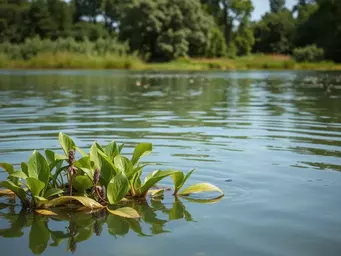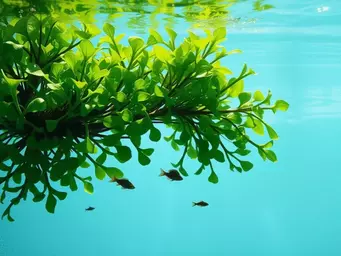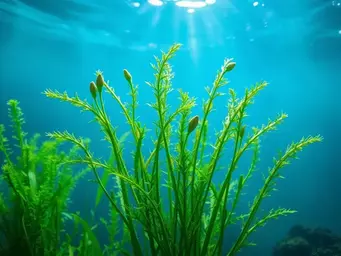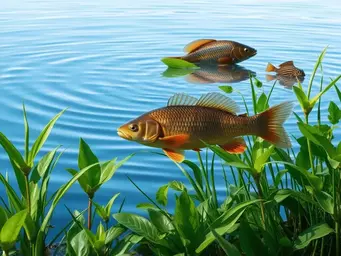
In the murky waters of our lakes and rivers, an insidious invader lurks: hydrilla. This aquatic plant, with its lush green foliage, may initially seem like a harmless addition to the ecosystem. Yet, beneath its serene surface lies a story of rapid growth and devastating impact on native species. Understanding hydrilla’s biology is the first step in combating its spread. Let’s dive deeper into its characteristics, and you’ll see why this plant is not just another piece of floating greenery.
What You Will Learn
- Hydrilla exhibits low light compensation, enabling it to thrive in murky waters.
- The plant demonstrates high photosynthetic efficiency, contributing to its rapid growth.
- Hydrilla's adaptability allows it to adjust its photosynthetic processes in changing environments.
- Its ability to utilize fluctuating CO₂ levels provides a competitive edge in various habitats.
- Hydrilla initiates photosynthesis early in the growing season, giving it a head start over native plants.
- The plant efficiently absorbs nutrients, enhancing its invasive potential.
- Hydrilla thrives in turbid waters, allowing it to occupy a wide range of aquatic ecosystems.
Hydrilla's Photosynthetic Advantage in Aquatic Ecosystems
The visual below illustrates the key photosynthetic traits that give Hydrilla its competitive edge, along with the ecological advantages it leverages to dominate aquatic environments.
Key Photosynthetic Traits
- ✓ Low Light Compensation: Efficient energy production in murky waters.
- ✓ High Efficiency: Maximizes energy conversion for rapid growth.
- ✓ CO₂ Utilization: Thrives under fluctuating carbon dioxide levels.
Ecological Competitive Advantages
- ► Early Photosynthesis: Head start on growth before native plants.
- ► Nutrient Utilization: Efficient absorption, fueling rapid expansion.
- ► Adaptation to Turbidity: Thrives in conditions where others struggle.
Understanding Hydrilla's Photosynthesis Efficiency
As we delve into the world of hydrilla, understanding its photosynthesis efficiency is crucial. This invasive aquatic plant, scientifically known as Hydrilla verticillata, exhibits remarkable traits that contribute to its survival and dominance in various ecosystems. By exploring these traits, we can better understand why hydrilla poses such a significant threat to native aquatic flora.
In this section, we will uncover the key photosynthetic traits of hydrilla, how these traits give it a competitive edge in aquatic ecosystems, and why it's essential for environmental professionals to stay informed about this invasive species.
Key Photosynthetic Traits of Hydrilla verticillata
Hydrilla doesn't just thrive; it excels in its photosynthetic capabilities. Here are the standout traits that make hydrilla a formidable contender in aquatic environments:
- Low Light Compensation: Hydrilla can efficiently produce energy even in murky waters.
- High Photosynthetic Efficiency: This plant maximizes energy conversion, which aids its rapid growth.
- Adaptability: Hydrilla can adjust its photosynthetic processes in response to changing environmental conditions.
These traits allow hydrilla to outcompete many native species, establishing itself as a dominant player in various ecosystems. Understanding these features helps us appreciate the ecological challenges hydrilla presents.
Exploring Low Light Compensation and High Efficiency
One of the fascinating aspects of hydrilla is its ability to compensate for low light conditions. Hydrilla has adapted its chlorophyll content to maximize light absorption, which is essential in environments where sunlight is limited. This adaptation allows the plant to maintain high rates of photosynthesis, even under challenging conditions.
Moreover, hydrilla's high efficiency in utilizing available light translates to rapid growth and expansion. This characteristic is a significant factor contributing to its invasive potential and underscores the importance of understanding its photosynthetic mechanisms.
CO₂ Utilization Under Variable Conditions
Hydrilla's ability to utilize carbon dioxide (CO₂) effectively is another critical trait. It can thrive in environments where CO₂ levels fluctuate, ensuring that it maintains a competitive edge. This adaptability not only supports its growth but also influences the carbon cycling in the ecosystems it invades.
It's essential for environmental professionals to recognize these traits when developing strategies to manage hydrilla. By understanding its CO₂ utilization patterns, we can create more effective intervention methods.
The Role of Chlorophyll in Photosynthetic Performance
Chlorophyll plays a vital role in hydrilla's photosynthetic performance. This pigment not only captures light but also facilitates the conversion of light energy into chemical energy. The optimal concentration of chlorophyll in hydrilla enhances its photosynthetic rate, allowing it to outgrow many native aquatic plants.
As we learn more about hydrilla's biological processes, we can better equip ourselves with the knowledge needed to combat its spread. Understanding the role of chlorophyll is a stepping stone in this direction.
Hydrilla's Competitive Advantage in Aquatic Ecosystems
Hydrilla's traits give it a significant competitive advantage, allowing it to dominate in a variety of aquatic ecosystems. Here are some of the key advantages that contribute to its success:
- Early Photosynthesis: Hydrilla can initiate photosynthesis earlier in the growing season compared to many native plants.
- Nutrient Utilization: This plant efficiently absorbs nutrients, further fueling its growth.
- Adaptations to Turbidity: Hydrilla thrives in turbid waters, thereby expanding its habitat range.
These advantages are significant in understanding why hydrilla can flourish where other plants struggle. By recognizing these factors, we can develop more targeted strategies for management.
Early Photosynthesis and Nutrient Utilization
Starting photosynthesis early in the season gives hydrilla a head start on its competitors. This early growth allows it to absorb nutrients before other plants even begin their growth cycles. Nutrient uptake is critical for hydrilla's rapid expansion, especially in nutrient-rich environments.
For professionals managing aquatic ecosystems, recognizing these early growth patterns is essential for timely interventions to prevent hydrilla from overtaking native species.
Adaptations to Turbidity and Depths
Hydrilla shows an impressive ability to adapt to varying turbidity levels and water depths. This adaptability enables it to grow in conditions where many native plants cannot survive, further enhancing its invasive capabilities. By thriving in deeper waters where light penetrates less effectively, hydrilla can monopolize these habitats.
Understanding hydrilla's depth adaptability helps us strategize effective management techniques, particularly in heavily turbid waters.
Impacts of Light Intensity on Hydrilla Growth Rates
Light intensity is a critical factor influencing hydrilla's growth rates. Hydrilla can adjust its growth based on the amount of light available, thriving in both high and low light conditions. This flexibility allows hydrilla to occupy a wide range of habitats, making it a persistent threat to biodiversity.
As we consider management strategies, it's crucial to monitor light conditions in affected water bodies. Addressing hydrological and environmental factors can significantly impact hydrilla's growth and spread.
Pro Tip
To effectively manage hydrilla's impact on local ecosystems, consider implementing an integrated management approach. Combining mechanical removal with biological controls can significantly reduce its spread. Engaging with local conservation groups can also amplify your efforts and foster community involvement in protecting native species.
Frequently Asked Questions About Hydrilla
- What is hydrilla and why is it considered an invasive species?
- Hydrilla (Hydrilla verticillata) is an aquatic plant known for its rapid growth and high photosynthetic efficiency. It is considered invasive because it outcompetes native aquatic plants, disrupts ecosystems, and can negatively impact water recreation and quality.
- How does hydrilla's photosynthesis efficiency contribute to its invasiveness?
- Hydrilla exhibits low light compensation and high photosynthetic efficiency, meaning it can produce energy effectively even in murky or low-light conditions. This allows it to grow rapidly and establish dominance where native plants struggle.
- Can hydrilla adapt to different environmental conditions?
- Yes, hydrilla is highly adaptable. It can adjust its photosynthetic processes to changing environmental conditions, including fluctuating CO₂ levels and varying turbidity, allowing it to thrive in a wide range of aquatic habitats.
- What are some competitive advantages hydrilla has over native plants?
- Hydrilla gains a competitive edge by initiating photosynthesis earlier in the growing season, efficiently absorbing nutrients, and adapting to turbid waters and deeper depths where many native plants cannot survive.
- Why is understanding hydrilla's biology important for management?
- Understanding hydrilla's biological traits, such as its photosynthetic capabilities, nutrient utilization, and adaptability, is crucial for developing effective management strategies. This knowledge helps environmental professionals create targeted interventions to combat its spread and protect native ecosystems.
Summary of Hydrilla's Photosynthesis Efficiency and Ecological Impact
In summary, the efficiency of hydrilla's photosynthesis plays a critical role in its competitive advantage over native aquatic plants. Understanding these dynamics can help us better manage our ecosystems. The key traits that allow hydrilla to thrive include its ability to utilize low light effectively, adapt to varying water conditions, and dominate nutrient uptake.
As we reflect on hydrilla's impact, it's essential to recognize the implications for biodiversity and ecosystem balance. The plant's rapid growth and photosynthetic capabilities disrupt native flora, leading to significant ecological shifts. Our commitment at the Hydrilla Conservation Initiative is to shed light on these challenges and explore solutions for a healthier aquatic environment.
Key Takeaways on Competitive Dynamics in Aquatic Environments
- Hydrilla exhibits high photosynthetic efficiency, allowing it to outcompete native species.
- Its adaptability to low light and nutrient-rich environments enhances its invasive potential.
- Understanding hydrilla's growth patterns helps inform effective management strategies.
These takeaways remind us of the delicate balance in aquatic ecosystems. By understanding hydrilla's unique traits, we can devise targeted approaches to mitigate its impact. The insights gained from research not only empower professionals but also foster a collaborative community focused on environmental stewardship.
Call to Action: Implementing Management Strategies for Ecosystem Health
Now that we are aware of hydrilla's ecological implications, it's time to take action! Implementing effective management strategies is crucial for maintaining ecosystem health. Here are some steps you can take:
- Engage with local conservation groups to raise awareness about hydrilla management.
- Participate in community clean-up efforts to reduce nutrient pollution.
- Adopt integrated management techniques, such as mechanical removal and biological controls.
Each of us can play a part in protecting our waterways. At the Hydrilla Conservation Initiative, I encourage you to share your experiences and insights with fellow conservationists. Together, we can create a more sustainable future for our aquatic ecosystems!
The Future of Aquatic Conservation in Light of Invasive Species
Looking ahead, the future of aquatic conservation hinges on our ability to adapt to the challenges posed by invasive species like hydrilla. As we continue to gather data and insights, we can develop more robust strategies for restoring balance in our waterways. The increasing awareness and education around hydrilla management are key components in this ongoing battle.
As a community, we must foster collaboration among environmental professionals, educators, and local stakeholders. By doing so, we can create lasting change that supports both native habitats and the biodiversity they host. Remember, every effort counts in this crucial fight against invasive species!
Recap of Key Points
- Low Light Compensation: Hydrilla can efficiently perform photosynthesis even in murky waters, giving it a competitive edge over native species.
- High Photosynthetic Efficiency: The plant maximizes energy conversion, enabling rapid growth and expansion.
- Adaptability: Hydrilla adjusts its photosynthetic processes based on environmental conditions, allowing it to thrive in variable habitats.
- Early Photosynthesis: Initiating photosynthesis earlier in the growing season helps hydrilla absorb nutrients before competitors.
- Nutrient Utilization: Efficient nutrient absorption supports hydrilla’s rapid expansion in nutrient-rich environments.
- Adaptations to Turbidity and Depths: Hydrilla can survive in varying turbidity levels and deeper waters, enhancing its invasive potential.