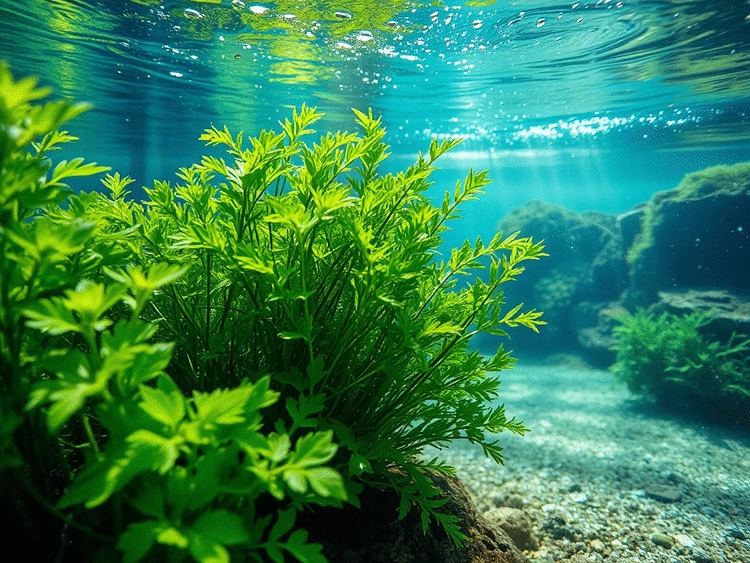

As we face the growing threat of invasive species, understanding the complexities of hydrilla verticillata is crucial for anyone invested in preserving aquatic ecosystems. This notorious plant not only alters the landscape of water bodies but also impacts biodiversity and water quality. Let's delve into the key insights that will empower you to take meaningful action against this invader.
What You Will Learn
- Hydrilla verticillata thrives in various freshwater habitats, showing resilience through reproductive strategies like fragmentation and tubers.
- The plant's rapid growth creates dense mats that choke waterways, leading to significant declines in biodiversity.
- Human activities, including boating and aquarium plant introduction, often facilitate hydrilla's spread, altering local ecosystems.
- Hydrilla can negatively impact water quality by decreasing dissolved oxygen levels, contributing to conditions like hypoxia and eutrophication.
- Future research is vital for effective hydrilla management, focusing on long-term ecological effects and community involvement.
The Dual Nature of Hydrilla: Ecological Impact vs. Ecosystem Role
This visual contrasts the negative ecological impacts of invasive hydrilla with the vital positive roles healthy aquatic vegetation plays in freshwater ecosystems.
Hydrilla's Detrimental Ecological Impacts
- • Decreases dissolved oxygen levels (especially at night).
- • Causes eutrophication, leading to toxic algal blooms.
- • Alters pH levels, impacting nutrient availability.
- • Outcompetes native plants and reduces biodiversity.
- • Disrupts water flow and sediment layers.
Beneficial Roles of Aquatic Vegetation
- • Provides habitat and food for fish and wildlife.
- • Stabilizes sediments and absorbs excess nutrients.
- • Plays a crucial role in water oxygenation.
- • Supports diverse native species.
- • Maintains overall water quality and ecosystem balance.
Understanding Hydrilla: An Invasive Aquatic Challenge
When it comes to invasive aquatic plants, few are as notorious as hydrilla verticillata. This plant has carved out a significant niche in our waterways, often leading to ecological chaos. Understanding hydrilla's characteristics is crucial for anyone interested in environmental conservation and the management of our precious ecosystems. So, what exactly makes hydrilla such a formidable foe?
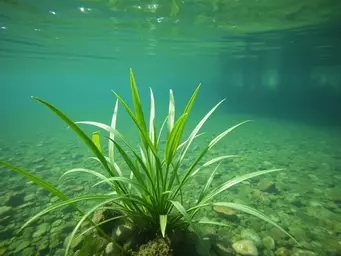
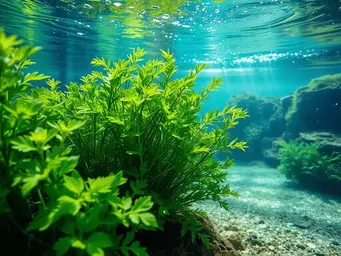
Hydrilla is a submerged perennial aquatic plant that can grow to the surface in favorable conditions, creating dense mats that can choke water bodies. Its distinctive whorled leaves usually appear in groups of five to seven, making it relatively easy to identify for those trained in aquatic plant identification. However, despite its beauty, hydrilla's rapid growth and adaptability allow it to outcompete native plants and disrupt local ecosystems.
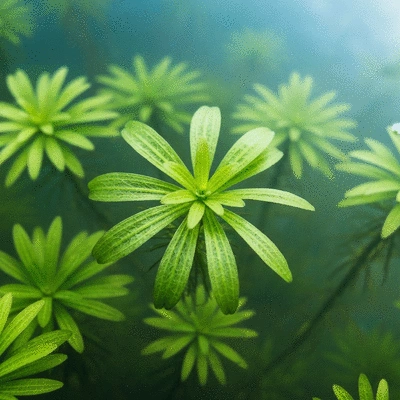
Defining Hydrilla verticillata and Its Characteristics
Hydrilla verticillata thrives in a wide range of freshwater habitats, from still ponds to flowing rivers. Its ability to reproduce both vegetatively and through seeds contributes to its tenacity. Here are some key characteristics:
- Growth Habits: Hydrilla can grow up to a meter in height and spread horizontally, creating dense mats on the water's surface.
- Reproductive Strategies: It reproduces via fragmentation, tubers, and seeds, ensuring its survival in various conditions.
- Environmental Tolerance: Hydrilla is capable of thriving in both high and low light conditions, which gives it a competitive edge over native aquatic plants.
Recognizing these traits is the first step in understanding why hydrilla's spread can lead to significant ecological alterations. For me, witnessing the rapid invasion of hydrilla in local waterways has reinforced the need for proactive management strategies. The North American Invasive Species Management Association (NAISMA) further emphasizes the significant impact of hydrilla on ecosystems, highlighting its growing threat.
The Spread of Hydrilla: Ecology and Habitats
The spread of hydrilla is often linked to human activities, such as boating and the introduction of aquarium plants. Once established, hydrilla can quickly dominate a water body, leading to a decline in biodiversity. Let's explore its typical habitats:
- Shallow lakes and ponds
- Rivers and streams with low to moderate flow rates
- Canals and irrigation ditches
In these environments, hydrilla can alter water flow, disrupt sediment layers, and affect the habitat availability for native species. As I dive deeper into the ecological implications of hydrilla, I often reflect on the importance of community awareness and action in managing this invasive plant. Organizations like Rivers Alliance of Connecticut provide valuable statements on hydrilla management, underscoring the collective effort required.
The Role of Aquatic Vegetation in Freshwater Ecosystems
While hydrilla is often viewed negatively, it’s essential to recognize the broader role of aquatic vegetation in freshwater ecosystems. Healthy aquatic plants provide vital functions:
- They offer habitat and food for various fish and wildlife.
- They contribute to water quality by stabilizing sediments and absorbing nutrients.
- They play a crucial role in the oxygenation of water bodies.
Yet, when invasive species like hydrilla dominate, these benefits can quickly turn into challenges. It's a delicate balance, and understanding this interplay is crucial for those of us dedicated to preserving our waterways.
We Want to Hear From You!
As we delve into the complexities of hydrilla's impact on our ecosystems, we’d love to know your thoughts. Have you encountered hydrilla in your local waterways? What actions do you believe are necessary to manage its spread effectively? Share your insights below:
Summarizing the Ecological Concerns of Hydrilla
As we navigate the intricate dynamics of aquatic ecosystems, it's essential to understand how hydrilla affects water quality and overall ecosystem health. This invasive species poses significant challenges that go beyond just its notorious growth rates. In fact, the connection between water quality, oxygen levels, and ecosystem health is a crucial aspect that deserves our attention.
Hydrilla’s presence often leads to detrimental alterations in water chemistry, which can drastically affect both aquatic life and human activities. By examining these relationships, we can shed light on the broader implications of hydrilla proliferation and its impact on our vital waterways.
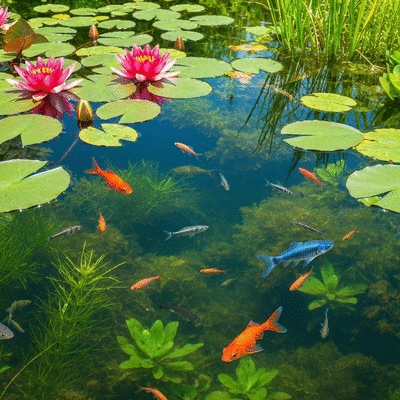
Connecting Water Quality, Oxygen Levels, and Ecosystem Health
- Hydrilla can decrease dissolved oxygen levels, especially at night when photosynthesis halts.
- Changes in nutrient cycling often result in eutrophication, which can lead to toxic algal blooms.
- Altered pH levels can affect the availability of essential nutrients for native plants and animals.
These aspects highlight the complex relationship between hydrilla and the health of our ecosystems. When oxygen levels drop, it can lead to hypoxia, endangering fish and other aquatic organisms. Moreover, the resulting changes in nutrient dynamics can create a cascade of ecological issues that extend well beyond the immediate vicinity of hydrilla-infested waters.
Future Research Directions in Hydrilla Management
Looking ahead, it's clear that ongoing research is vital to effectively manage hydrilla and its ecological impact. As part of the Hydrilla Conservation Initiative, I firmly believe that investment in research is essential for developing innovative solutions to combat this invasive species.
- Investigating the long-term effects of hydrilla on water quality in various ecosystems.
- Exploring effective control measures that can mitigate hydrilla's impact on native species.
- Evaluating the role of community involvement in managing invasive species.
These research directions will not only enhance our understanding of hydrilla’s ecological role but also empower stakeholders—like fisheries, conservationists, and educators—to take informed actions. With better insights, we can foster healthier aquatic ecosystems and support biodiversity. The U.S. Army Corps of Engineers' Engineer Research and Development Center (ERDC) is actively engaged in these efforts, with combined teams seeking to wipe out aquatic nuisances such as hydrilla.
Frequently Asked Questions About Hydrilla
- What is Hydrilla verticillata?
- Hydrilla verticillata is an invasive submerged perennial aquatic plant known for its rapid growth and adaptability, often choking waterways and disrupting aquatic ecosystems.
- How does hydrilla spread?
- Hydrilla spreads through various means, including fragmentation, tubers, and seeds. Human activities like boating and the introduction of aquarium plants are significant facilitators of its spread.
- What are the main ecological impacts of hydrilla?
- Hydrilla decreases dissolved oxygen levels, causes eutrophication leading to algal blooms, alters pH, outcompetes native plants, reduces biodiversity, and disrupts water flow and sediment layers.
- How does hydrilla affect water quality?
- It negatively impacts water quality by reducing dissolved oxygen, leading to hypoxia, and contributing to nutrient imbalances that can cause eutrophication and toxic algal blooms.
- What are the future directions for hydrilla management?
- Future management efforts focus on long-term ecological effect research, developing effective control measures, and increasing community involvement to combat its spread and mitigate its impact.
Recap of Key Points
Here is a quick recap of the important points discussed in the article:
- Hydrilla verticillata is a pervasive invasive aquatic plant that disrupts local ecosystems.
- Key characteristics include rapid growth, ability to reproduce through fragmentation, and tolerance to varying light conditions.
- Hydrilla thrives in shallow lakes, rivers, and canals, leading to ecological challenges such as reduced biodiversity and altered water chemistry.
- It can negatively impact water quality by decreasing dissolved oxygen levels and contributing to eutrophication.
- Future research is essential for developing effective management strategies and understanding hydrilla’s ecological effects.