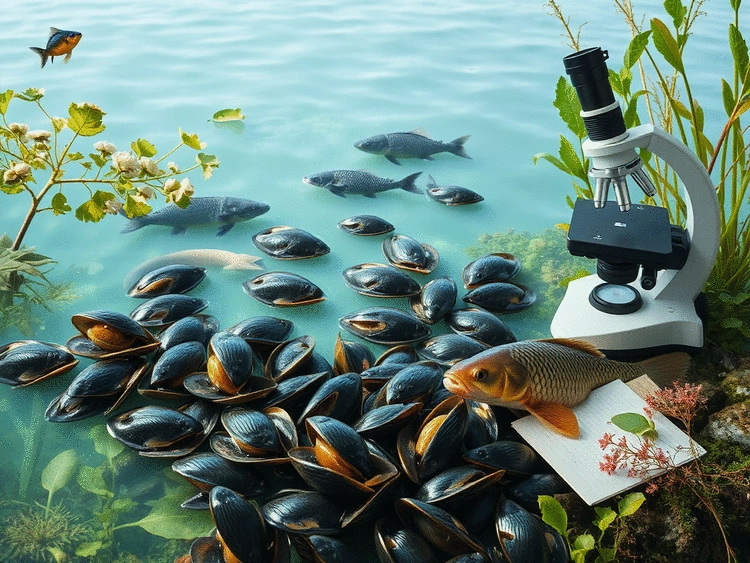

Invasive aquatic species are silently reshaping our ecosystems. What if I told you that understanding their impact is vital for the health of our waterways? As we navigate the current global initiatives aimed at managing these threats, we uncover not just challenges but also actionable strategies for conservation.
What You Will Learn
- Definition and Characteristics: Invasive aquatic species are non-native organisms that disrupt local ecosystems by outcompeting native species.
- Ecological and Economic Costs: The spread of invasive species leads to loss of biodiversity and significant economic costs, including management and restoration efforts.
- International Cooperation: Frameworks like the Convention on Biological Diversity (CBD) and the IMO Ballast Water Convention are crucial for global invasive species management efforts.
- Regional Strategies: Local communities play a vital role in monitoring and managing invasive species through participatory approaches and public awareness campaigns.
- Role of the Global Invasive Species Programme (GISP): GISP facilitates knowledge sharing and best practices among stakeholders to combat invasive species effectively.
Global Efforts Against Invasive Aquatic Species
International frameworks and initiatives are crucial for managing invasive aquatic species. The visual below highlights key entities and their roles in this global effort.
Understanding Global Initiatives for Invasive Aquatic Species Management
When we think about our precious waterways, it’s difficult to grasp how much they’re impacted by invasive aquatic species. As an aquatic biologist, I often find myself wondering: what exactly defines these species and how do they reshape our ecosystems? Understanding the complexities of these invasive aquatic species is the first step toward proactive management and conservation efforts.
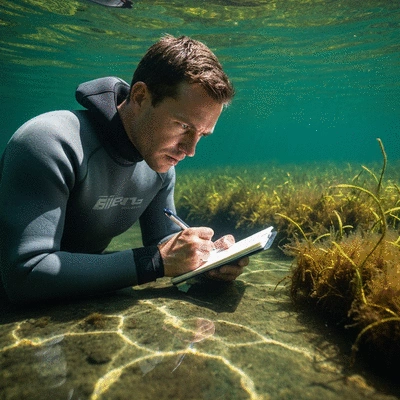
Invasive aquatic species are non-native organisms that, when introduced to a new environment, can disrupt the ecological balance. They often outcompete native species for resources, leading to significant declines in biodiversity. Have you noticed changes in your local water bodies? This can be attributed to the introduction of these invasive species, aligning with the urgent need for effective management strategies, as highlighted by programs like the Aquatic Invasive Species (AIS) Program.
Defining Invasive Aquatic Species and Their Impact
What are Invasive Aquatic Species?
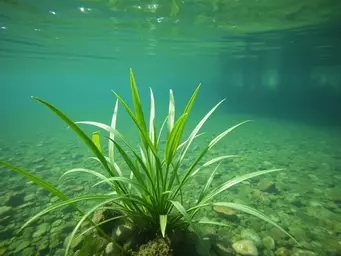
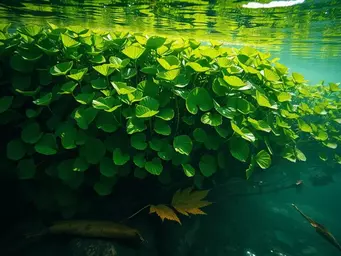
Invasive aquatic species are organisms, typically plants or animals, that are introduced to new environments where they don’t naturally occur. They spread rapidly, often thriving in their new surroundings. Examples include hydrilla and zebra mussels, which have wreaked havoc on ecosystems worldwide. Understanding their characteristics is crucial for identification and management.
- Non-native species: Organisms that are not indigenous to the area.
- Rapid growth: These species can reproduce quickly, overwhelming local populations.
- Environmental impact: They disrupt food webs and habitat structures, affecting native wildlife.
Recognizing these traits can be key to early detection and management efforts. As part of our mission at the Hydrilla Conservation Initiative, we focus on equipping educators and professionals with the tools to identify these invaders accurately. Further insights into managing these species can be found in resources such as the Montana Aquatic Invasive Species Management Plan.
The Ecological and Economic Consequences of Invasions
The consequences of invasive aquatic species extend beyond ecological impacts; they also have economic ramifications. The costs associated with managing and mitigating their spread can be staggering. From reduced fish populations, which impacts local fisheries, to increased water treatment costs, the implications are far-reaching. The New England Interstate Water Pollution Control Commission provides further details on the profound effects of aquatic invasive species.
- Loss of biodiversity: Native species struggle to compete, leading to reduced genetic diversity.
- Economic costs: Billions are spent annually on management and restoration efforts.
- Water quality degradation: Invasive plants can choke waterways, reducing oxygen levels and harming aquatic life.
It’s vital that we engage in ongoing dialogue about these impacts. By sharing knowledge and strategies, we can work together to combat these threats effectively and foster resilient ecosystems.
International Frameworks and Agreements Addressing Invasive Species
On a global scale, various frameworks and agreements play a significant role in addressing the challenges posed by invasive aquatic species. As I delve deeper into these policies, it becomes clear that international cooperation is crucial for effective management.
- Convention on Biological Diversity (CBD): Aims to conserve biological diversity and promote sustainable use of resources.
- International Maritime Organization (IMO) Ballast Water Convention: Regulates ships' ballast water to prevent the spread of invasive species.
- Regional initiatives: Collaborations focusing on specific areas, such as the EU’s strategies for aquatic invasives.
These frameworks not only set guidelines but also foster collaboration among countries, ensuring that invasive species management is a shared responsibility. As we continue our efforts at the Hydrilla Conservation Initiative, understanding these policies helps shape our approach to advocacy and action.
Key Global Treaties: CBD and IMO Ballast Water Convention
Two pivotal treaties stand out in the international landscape: the Convention on Biological Diversity (CBD) and the IMO Ballast Water Convention. The CBD emphasizes the importance of preserving biodiversity and highlights the critical role of invasive species management in achieving these goals. Meanwhile, the IMO convention is designed to curb the introduction of invasive aquatic species through ship ballast water, a significant vector for their spread.
Engaging with these treaties is vital as they guide national policies and encourage countries to adopt best practices in managing invasive species. The collaborative spirit behind these agreements fosters a sense of shared responsibility that transcends borders.
Regional Initiatives: Focus on the EU and Global South Approaches
Regional initiatives also play a vital role in tackling the issue of invasive aquatic species. For example, the European Union has developed a comprehensive strategy to address invasive species through legislative and management frameworks. This includes the EU Regulation on Invasive Alien Species, which promotes early detection and rapid response measures.
- Participatory approaches: Engaging local communities in monitoring and management.
- Research funding: Supporting studies on invasive species impacts and management strategies.
- Public awareness campaigns: Educating citizens about the risks and prevention of invasive species.
Furthermore, global south approaches emphasize inclusive and region-specific strategies that consider local contexts, resources, and challenges. This localized focus can enhance effectiveness and foster community stewardship in managing invasive species.
Role of the Global Invasive Species Programme (GISP) in Policy Development
The Global Invasive Species Programme (GISP) serves as a crucial platform for sharing knowledge and developing policies regarding invasive species. GISP works collaboratively with various stakeholders, including governments, NGOs, and academics, to promote best practices and effective management strategies. Their efforts in capacity building and resource sharing are invaluable for countries struggling with invasive species.
Participating in GISP initiatives not only aids in the development of local policies but also strengthens global networks committed to impactful invasive species management. As someone deeply invested in this cause, I see the importance of collaborative action in shaping a sustainable future for our waterways.
Pro Tip
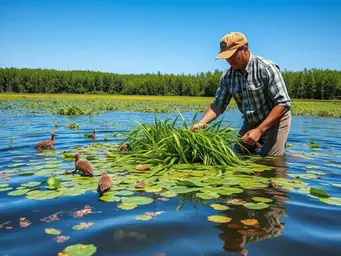
Did you know? Engaging local communities in monitoring invasive species can significantly enhance management efforts. By fostering awareness and participation, we can create a network of informed citizens who actively contribute to the early detection and control of invasive aquatic species.
Frequently Asked Questions (FAQs)
Summarizing the Global Landscape of Invasive Aquatic Species Management
As we look at the global initiatives aimed at managing invasive aquatic species, several key themes emerge. These initiatives are not just about controlling species like hydrilla but also about fostering collaboration and sharing knowledge across borders. Understanding these elements can help us strengthen our own efforts in conservation and habitat restoration.
One of the critical takeaways is the impact of collaborative governance. When various stakeholders, including governments, NGOs, and local communities, work together, they create a more effective approach to managing invasive species. This type of governance allows for the pooling of resources and expertise, leading to better outcomes.
Key Takeaways from Current Initiatives and Policies
- Importance of Collaboration: Initiatives that promote collaborative governance are more effective in managing invasive aquatic species.
- Research and Policy Connection: Balancing research needs with policy development is essential for informed decision-making.
- Global Best Practices: International organizations play a pivotal role in promoting best practices and providing resources.
Moreover, balancing research with policy development ensures that our strategies are based on the most current scientific findings. As someone who has spent years studying invasive aquatic species, I can attest to the value of having science guide our policies. It’s a partnership that can dramatically affect how we manage our waterways.
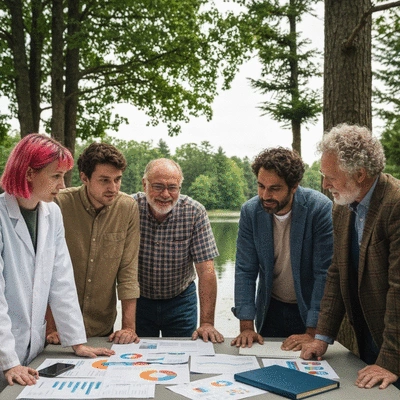
The role of international organizations cannot be understated. By providing platforms for sharing best practices, they enable countries to learn from each other. At the Hydrilla Conservation Initiative, we strive to adopt these best practices in our resources and tutorials, ensuring that environmental professionals have the necessary tools to address these pressing challenges.
Engaging in the Fight Against Invasive Aquatic Species
As individuals and organizations, we all have a role to play in combating invasive aquatic species. From advocating for sustainable practices to participating in local initiatives, our actions can contribute significantly to this ongoing battle. It's essential to recognize that every small effort counts!
To effectively engage in this fight, consider the following ways to make a difference:
How Individuals and Organizations Can Contribute
- Participate in Local and National Initiatives: Join local groups focused on invasive species management or contribute to national campaigns.
- Stay Informed: Keep up with the latest research and policy developments to advocate for effective practices.
- Support NGOs: Organizations like the World Wildlife Fund (WWF) work tirelessly on conservation efforts; your support can amplify their impact.
By participating in these initiatives, you can make a tangible impact. Whether it’s volunteering for local clean-up efforts or sharing information about invasive species management on social media, every action contributes to a larger cause. Additionally, supporting organizations like WWF can provide vital resources and advocacy for sustainable practices.
In conclusion, combating invasive aquatic species is a collective effort that requires involvement at all levels. As we continue to share knowledge and work collaboratively, we can pave the way for healthier ecosystems. So, what steps will you take today to help protect our vital waterways?
Recap of Key Points
Here is a quick recap of the important points discussed in the article:
- Understanding Invasive Species: Invasive aquatic species are non-native organisms that disrupt ecosystems by outcompeting native species.
- Ecological and Economic Impacts: They lead to biodiversity loss, increased management costs, and water quality degradation.
- Importance of International Cooperation: Global frameworks, such as the CBD and IMO Ballast Water Convention, are vital for effective management.
- Regional Initiatives: Local strategies, such as the EU Regulation on Invasive Alien Species, emphasize early detection and community involvement.
- Role of GISP: The Global Invasive Species Programme fosters knowledge exchange and policy development among stakeholders.
- Individual Contributions: Everyone can participate in combating invasive species through local initiatives and supporting conservation organizations.