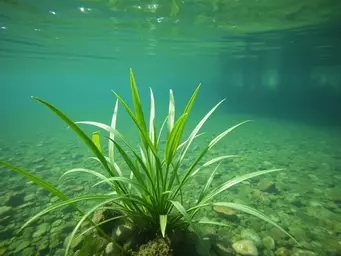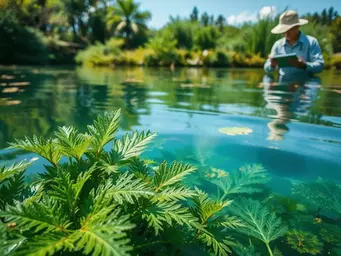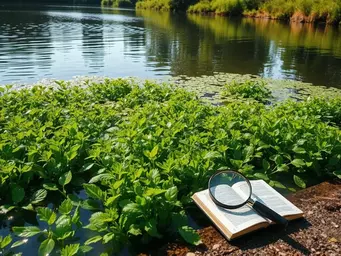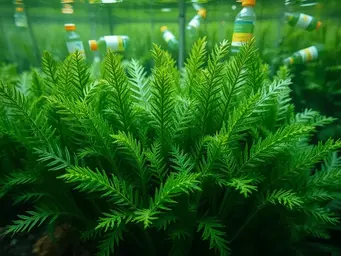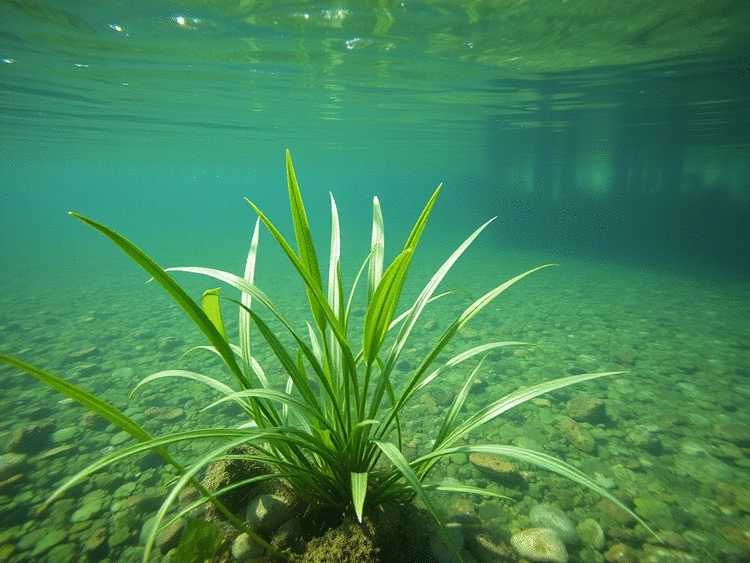

In the world of aquatic ecosystems, one invasive species stands out for its rapid growth and disruptive impact: hydrilla. This formidable plant not only alters habitats but also challenges our efforts in conservation. Understanding its characteristics and implications is key to protecting our waterways. Let’s delve into the essential insights you need to combat this aquatic invader.
What You Will Learn
- Rapid Growth: Hydrilla can grow up to one inch per day, significantly altering aquatic ecosystems.
- Reproductive Challenges: It reproduces through tubers, fragmentation, and seeds, complicating control efforts.
- Ecological Displacement: Hydrilla outcompetes native species, disrupting local flora and fauna.
- Water Quality Impact: Dense mats of hydrilla can lower oxygen levels, harming fish and other aquatic life.
- Community Engagement: Local involvement is crucial for effective management and advocacy against hydrilla.
- Identification Skills: Recognizing hydrilla's distinct features, such as its whorled leaves, is essential for early detection.
The Hydrilla Threat: Growth, Reproduction, and Impact
This visual highlights the key characteristics that make Hydrilla a formidable invasive species, from its rapid growth rate to its diverse reproductive methods and significant ecological impact. Understanding these aspects is crucial for effective management and conservation efforts.
Growth Rate: Up to 1 inch per day
Especially in warm water conditions, leading to rapid mat formation.
Reproductive Methods: Tubers, Fragmentation, Seeds
Multiple ways to spread makes control challenging.
Habitat Versatility: Ponds to Flowing Rivers
Thrives in diverse aquatic environments.
Ecological Impact: Displaces Native Species
Outcompetes local flora and fauna, disrupting balance.
Water Quality: Lowered Oxygen Levels
Dense mats reduce oxygen, harming aquatic life.
Recreational Limitations: Impedes Boating, Fishing, Swimming
Heavily infested areas become unusable for recreation.
Understanding Hydrilla: An Invasive Aquatic Plant
Have you ever noticed a thick carpet of green in your local lake or river? That might just be hydrilla, a notoriously invasive aquatic plant that poses a significant threat to our ecosystems. Understanding hydrilla is crucial for anyone involved in environmental conservation or management. As someone deeply engaged in this field, I can attest to the importance of recognizing this plant's ecological significance and the challenges it presents.
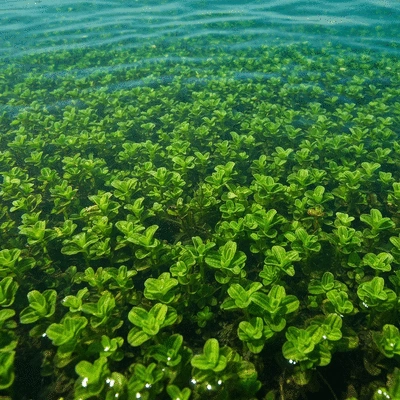
Hydrilla, scientifically known as Hydrilla verticillata, is not just another plant; it's a formidable invader. It can reproduce rapidly, often outcompeting native flora and disrupting habitats. This plant’s ability to thrive in various water conditions makes it a serious concern for environmental professionals and educators alike. For more detailed information on its distribution and impact, you can refer to the USGS Nonindigenous Aquatic Species database.
Defining Hydrilla and Its Ecological Significance
In essence, hydrilla is a submerged aquatic plant that can form dense mats on the water's surface. These mats can block sunlight, hinder water flow, and choke out native species. Its rapid growth can lead to significant ecological imbalances, making it essential for us to understand its characteristics and impacts.
- Growth Rate: Hydrilla can grow up to one inch per day, especially in warm water conditions.
- Reproductive Methods: It reproduces through tubers, fragmentation, and seeds, making control efforts particularly challenging.
- Habitat Versatility: Hydrilla can thrive in a range of environments, from still ponds to flowing rivers.
As a member of the Hydrilla Conservation Initiative, I aim to provide resources that help identify and manage this invasive species effectively. By understanding hydrilla's ecological significance, we can better formulate strategies to combat its spread and protect our waterways.
Understanding Why Hydrilla Is Considered a Noxious Weed
Hydrilla's classification as a noxious weed stems from its aggressive growth patterns and profound impact on native ecosystems. But what does this mean for our waterways? A noxious weed is defined as a plant that poses a threat to agricultural and environmental health, leading to restrictions on its spread. The National Invasive Species Information Center provides further context on the implications of such classifications.
- Displacement of Native Species: Hydrilla outcompetes local flora and fauna, disrupting the ecological balance.
- Water Quality Deterioration: Dense mats can lead to lowered oxygen levels, affecting fish and other aquatic life.
- Recreational Limitations: Boating, fishing, and swimming can become difficult in heavily infested areas.
This classification is not just a label; it directly impacts management strategies and funding for control efforts. Knowing why hydrilla is considered a noxious weed helps us advocate for better policies and community action.
Hydrilla verticillata: Characteristics and Identification
Identifying hydrilla is the first step in combatting its spread. This species can easily be confused with native plants, so let's explore its unique characteristics:
- Leaf Structure: Hydrilla features whorled leaves, typically in clusters of five to seven, which are characteristic of this species.
- Stem Characteristics: The stems are slender, often branching out and topped with dense leaf clusters.
- Presence of Turions: These are specialized storage structures that enable it to survive adverse conditions.
By learning to identify hydrilla and its key characteristics, we can take action to preserve our native ecosystems. The resources available through the Hydrilla Conservation Initiative include illustrated identification tools and guides to help professionals and educators recognize this invasive species effectively. The New York State Department of Environmental Conservation offers additional guidance on identifying and managing hydrilla.
Pro Tip
Did you know? Engaging with local conservation groups not only helps in managing hydrilla but also fosters community awareness and action. By participating in clean-up events or workshops, you can learn hands-on techniques for identification and control, while also inspiring others in your community to take part in preserving our waterways.
Frequently Asked Questions About Hydrilla
- Q: What is hydrilla and why is it a problem?
- A: Hydrilla (Hydrilla verticillata) is an invasive aquatic plant known for its rapid growth (up to one inch per day) and diverse reproductive methods (tubers, fragmentation, seeds). It forms dense mats that block sunlight, outcompete native species, lower oxygen levels in water, and impede recreational activities like boating and fishing.
- Q: How can I identify hydrilla?
- A: Key identification features of hydrilla include whorled leaves, typically in clusters of five to seven, slender branching stems, and the presence of turions (specialized storage structures).
- Q: What are the main ecological impacts of hydrilla?
- A: Hydrilla displaces native plant and animal species, disrupts ecological balance, deteriorates water quality by lowering oxygen levels, and limits recreational use of water bodies.
- Q: Why is hydrilla classified as a noxious weed?
- A: Hydrilla is classified as a noxious weed due to its aggressive growth patterns and significant negative impact on agricultural and environmental health, leading to restrictions on its spread and requiring specific management strategies.
- Q: How can I get involved in managing hydrilla?
- A: You can get involved by volunteering with local conservation groups, attending community workshops on invasive species management, advocating for supportive policies, and utilizing resources like identification guides and online forums.
Summary of Hydrilla Identification and Management
As we wrap up this exploration of hydrilla, it’s crucial to highlight the essential takeaways for effective identification and management. Understanding hydrilla isn’t just about recognizing its physical traits; it’s about grasping its ecological significance and the strategies we can employ to manage its spread. By being informed, we can all play a part in preserving our aquatic ecosystems.
Here are some key points to remember:
- Identification Skills: Knowing the distinctive features of hydrilla, such as its whorled leaves and tubers, is vital for early detection.
- Management Strategies: Implementing integrated methods—ranging from mechanical removal to biological control—ensures a comprehensive approach to managing this invasive species.
- Community Involvement: Engaging with local initiatives amplifies efforts against hydrilla and empowers others to take action.
- Continual Learning: Utilize resources, including identification guides, to stay updated on best practices in hydrilla management.
By keeping these takeaways in mind, you'll be better equipped to address the challenges posed by hydrilla in your local waterways.
Engaging with Local Efforts and Resources
Getting involved in hydrilla management isn’t just for scientists and environmentalists—everyone can contribute! I believe that community engagement is a cornerstone of effective ecological restoration. Here’s how you can get involved in local efforts to combat this invasive plant:
How to Get Involved in Regional Hydrilla Management Programs
Many local organizations and initiatives focus on managing hydrilla and other invasive species. Consider the following avenues:
- Volunteer Opportunities: Join local conservation groups for hands-on experiences in managing hydrilla.
- Community Workshops: Attend workshops to learn about effective management techniques and share your knowledge.
- Advocacy: Participate in community meetings to voice your concerns and support local policies aimed at aquatic conservation.
Your involvement can make a difference! Whether you're volunteering or advocating, your voice adds to the collective effort needed to protect our waterways.
Resources for Further Learning and Identification Tools
To enhance your understanding of hydrilla, I recommend utilizing various resources that can deepen your knowledge and aid in identification:
- Hydrilla Conservation Initiative: Our website offers illustrated guides and management tutorials for practical insights.
- Local Extension Services: Many universities provide resources and expert advice on invasive species management.
- Online Forums: Engage with fellow enthusiasts and professionals on social media or dedicated platforms to share experiences and tips.
By tapping into these resources, you’ll not only learn to identify hydrilla but also discover effective strategies for managing it.
The Role of Community Engagement in Aquatic Invasive Management
Community engagement is vital in the fight against hydrilla and other invasive species. When we come together, we create a unified front that can lead to meaningful change. Here are ways community engagement plays a crucial role:
- Shared Knowledge: Communities that exchange information and strategies can tackle hydrilla more effectively.
- Increased Awareness: Engaging local citizens raises awareness about the impacts of invasive species and promotes proactive measures.
- Collaborative Solutions: Working together allows for the pooling of resources and expertise, leading to innovative management solutions.
Let’s build a community dedicated to aquatic stewardship! Together, we can protect our ecosystems and ensure the health of our waterways for future generations.
Recap of Key Points
Here is a quick recap of the important points discussed in the article:
- Identification Skills: Recognizing hydrilla's whorled leaves and tubers is essential for early detection.
- Management Strategies: Employ integrated methods like mechanical removal and biological control for effective management.
- Community Involvement: Engage with local initiatives to amplify efforts against hydrilla and encourage others to take action.
- Continual Learning: Utilize available resources, such as identification guides, to stay informed on best practices in hydrilla management.