
Invasive species can dramatically alter ecosystems, but understanding the policies surrounding them is key to effective management. Are you ready to discover how to combat these ecological threats?
What You Will Learn
- Invasive species cause significant ecological damage by outcompeting native species for resources.
- Effective management policies include prevention, control, and restoration strategies for affected ecosystems.
- Collaboration among governmental agencies, NGOs, and communities is essential for successful invasive species management.
- Public awareness and education initiatives can empower citizens to participate in invasive species control efforts.
- Future directions for policy focus on strengthening existing regulations and enhancing funding for research and community projects.
Key Pillars of Invasive Species Policy
Effective invasive species management relies on a structured approach encompassing prevention, control, and restoration efforts. These components work together to protect ecosystems.
Prevention Focus
Policies aimed at stopping the introduction of new invasive species are critical.
Control & Management
Frameworks promoting the management and eradication of existing invasive populations.
Restoration Efforts
Initiatives focused on rehabilitating native ecosystems harmed by invasive species.
Community Engagement
Involving local stakeholders and public awareness campaigns to foster support and action.
Understanding Invasive Species Policy: The Need for Balanced Control
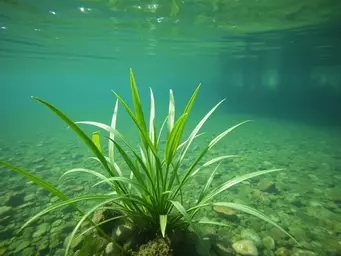
Invasive species pose significant threats to our ecosystems and biodiversity. These non-native organisms often outcompete local flora and fauna, leading to ecological imbalance. As an aquatic biologist, I’ve seen firsthand how a single species like hydrilla can disrupt a waterway’s natural habitat. How do we address these challenges? Understanding the policy frameworks surrounding invasive species is crucial in developing effective management strategies.

Invasive species are defined as organisms introduced to a new environment, where they flourish and harm local ecosystems. Their rapid growth can lead to decreased water quality, loss of native species, and economic impacts on industries like fishing and tourism. For instance, hydrilla, while beautiful, can choke waterways and disrupt local fish populations. This makes it essential to explore policies that can help manage these invaders effectively.
What Are Invasive Species and Why Are a Concern?
At their core, invasive species disrupt ecosystems by outcompeting native species for resources. But why should we care? Here are a few critical reasons:
- Ecological Damage: Invasive species can lead to the extinction of native species, resulting in a loss of biodiversity.
- Economic Impact: They can negatively affect industries such as agriculture, fisheries, and tourism.
- Human Health Risks: Some invasive species can even pose health risks through disease transmission.
But it’s not all doom and gloom! Awareness and understanding can drive meaningful action. We can engage communities in the fight against these threats, making a notable impact.
Overview of Invasive Species Policy Frameworks
The management of invasive species requires a well-structured policy framework. This includes federal, state, and local regulations aimed at controlling their spread. Here’s a look at the key components:
- Prevention: Policies focused on preventing the introduction of invasive species are crucial.
- Control: Frameworks that promote the control and management of existing populations.
- Restoration: Efforts to restore native ecosystems affected by invasive species.
At the Hydrilla Conservation Initiative, we provide resources to help professionals navigate these complex policies. Understanding these frameworks allows us to advocate for effective management solutions tailored to our ecosystems' unique needs.
The Role of Environmental Policy in Managing Invasive Species
Environmental policies play a vital role in managing invasive species. They set the stage for coordinated efforts across various sectors and empower communities to act. Here are some ways environmental policies support invasive species management:
- Collaboration: Policies foster collaboration among governmental agencies, NGOs, and local stakeholders.
- Funding: They often provide funding opportunities for research and management initiatives.
- Awareness: Policies promote public education and outreach efforts to raise awareness about invasive species.
By integrating these elements, we create a robust framework for managing invasive species effectively. It's about taking action together and making informed decisions!
Federal Policies and Regulatory Actions on Invasive Species
When it comes to federal policies addressing invasive species, several critical actions have been taken. These policies lay the foundation for a national approach to managing the threats posed by invasive organisms. Let’s explore some of the key initiatives, such as the Department of the Interior's Invasive Species Strategic Plan.
Did You Know?
According to a study by the U.S. Fish and Wildlife Service, invasive species cost the U.S. economy over $120 billion annually. This staggering figure highlights the urgent need for effective policies and community engagement in managing these ecological threats.
Frequently Asked Questions (FAQs) about Invasive Species Policy
Here are some common questions about invasive species and their management:
- Q: What causes invasive species to be a concern?
- A: Invasive species disrupt ecosystems by outcompeting native species for resources, leading to ecological damage, economic impact on industries like agriculture and tourism, and potential human health risks through disease transmission.
- Q: What are the key components of invasive species policy frameworks?
- A: Key components include prevention (stopping new introductions), control (managing existing populations), and restoration (rehabilitating affected native ecosystems).
- Q: How do environmental policies help manage invasive species?
- A: Environmental policies foster collaboration among governmental agencies, NGOs, and stakeholders; provide funding for research and management; and promote public education and awareness.
- Q: What are future directions for invasive species control and policy?
- A: Future efforts will focus on strengthening existing policies, enhancing public education, increasing funding for research and community projects, and fostering stronger partnerships between various sectors.
- Q: How can communities get involved in invasive species management?
- A: Communities can engage through workshops and training, volunteer programs for removal and monitoring, and social media campaigns to raise awareness and share success stories.
Summarizing Key Insights on Invasive Species Policy
As we conclude our exploration of invasive species policy, it's essential to reflect on the need for balanced management strategies. Invasive species not only threaten our native ecosystems but also challenge our ability to safeguard biodiversity. A comprehensive understanding of these threats allows us to deploy effective control measures while considering the ecological and social impacts.

In essence, successful invasive species management hinges on a collaborative approach that includes environmental professionals, policy-makers, and local communities. By fostering this partnership, we can develop policies that are not only effective but also equitable.
Reflecting on the Importance of Balanced Management Strategies
The journey towards effective invasive species control is multifaceted. A balanced approach involves:
- Scientific Research: Ongoing studies provide critical insights into the behaviors of invasive species.
- Community Engagement: Involving local stakeholders ensures policies are relevant and widely supported.
- Integrated Approaches: Combining traditional methods with innovative solutions can enhance effectiveness.
- Adaptive Management: Policies should evolve based on results and emerging challenges.
In my experience with the Hydrilla Conservation Initiative, I've observed that when communities rally together, they can significantly impact management outcomes. This collaboration nurtures not just a sense of responsibility but also a shared commitment to our ecosystems.
Future Directions for Invasive Species Control and Policy Implementation
Looking ahead, several key trends are shaping the future of invasive species management:
- Strengthening Policies: It's crucial to adapt existing policies to reflect new scientific data and ecological realities.
- Enhancing Education: Public awareness initiatives can empower citizens to act as stewards of their local environments.
- Increasing Funding: More financial resources are essential for research and community-based projects.
- Fostering Collaboration: Partnerships between government, non-profits, and private sectors will be vital for sustained action.
As we envision the path forward, we must remain vigilant and proactive. Engaging diverse stakeholders is not just beneficial; it's a necessity for creating resilient ecosystems.
Taking Action: Resources and Next Steps for Stakeholders
Tools and Checklists for Implementing Effective Policies
To support your efforts in managing invasive species, consider utilizing the following resources:
- Invasive Species Management Guidelines: Comprehensive frameworks outlining best practices.
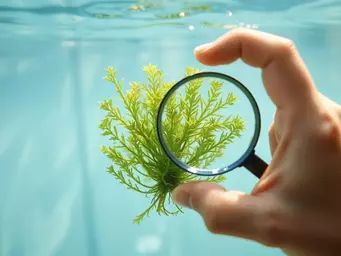
- Identification Tools: Illustrated guides to help recognize invasive species in various ecosystems.
- Management Checklists: Step-by-step plans for addressing specific invasive species challenges.
By equipping yourself with these tools, you can take meaningful action towards safeguarding our waterway ecosystems.
Engaging Communities: Building Support for Invasive Species Management
Community involvement is crucial for the success of invasive species management initiatives. Strategies to engage communities include:
- Workshops and Trainings: Organizing events to educate community members on invasive species.
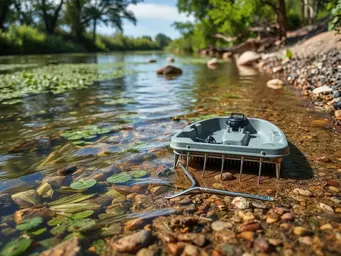
- Volunteer Programs: Creating opportunities for residents to participate in removal and monitoring efforts.
- Social Media Campaigns: Utilizing platforms to raise awareness and share success stories.
In my outreach efforts, I’ve found that when community members see their direct impact, they become more invested in the health of their local environments!
Funding Opportunities for Invasive Species Projects
Access to funding is vital for implementing effective invasive species management strategies. Here are some potential funding sources:
- Government Grants: Many federal and state programs offer financial support for conservation projects.
- NGO Partnerships: Collaborating with non-profits can open doors to additional resources.
- Crowdfunding: Engaging the community through crowdfunding platforms can raise awareness and funds.
Identifying and applying for these opportunities can help sustain your projects and ultimately benefit the ecosystems we strive to protect. Together, we can make a difference!
Recap of Key Points
Here is a quick recap of the important points discussed in the article:
- Invasive species, like hydrilla, disrupt ecosystems and threaten native biodiversity.
- Effective management requires a balanced policy framework focusing on prevention, control, and restoration.
- Community engagement and collaboration are critical for successful invasive species management.
- Future directions include strengthening policies, enhancing education, increasing funding, and fostering partnerships.