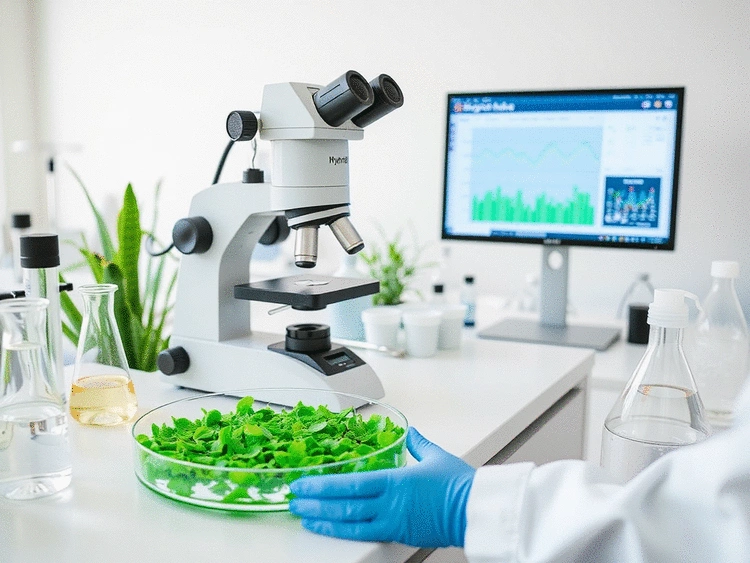

What if the lush, green aquatic plants you see in your local waterways are actually invasive species threatening the ecosystem? Understanding hydrilla, an invasive plant, is crucial for anyone involved in environmental management. This article uncovers the urgent challenges we face and the innovative strategies needed to combat its spread.
What You Will Learn
- Hydrilla can outcompete native species, leading to reduced biodiversity and ecosystem disruption.
- It thrives in various environments and can grow rapidly, potentially reaching up to a foot per day under ideal conditions.
- Innovative strategies, like advanced monitoring technologies and new herbicide formulations, are essential for effective hydrilla management.
- Community engagement and stakeholder collaboration are critical components for implementing successful management strategies.
Hydrilla: Spread and Biological Characteristics
This visual highlights key aspects of hydrilla's rapid spread and its resilient biological reproduction methods, crucial for understanding its invasive nature.
Geographic Spread: A North American Challenge
Initially introduced in the 1960s, hydrilla has spread significantly across North America. Its adaptability to various conditions and human activities facilitate its proliferation.
- ● **Over 25 States:** Hydrilla's presence has been confirmed in more than two dozen U.S. states.
- ● **Rapid Growth:** Can grow up to 1 foot per day under ideal conditions.
- ● **Human Activity:** Unintentional transport via boats and fishing gear is a major contributor to its spread.
Biological Characteristics: Reproductive Resilience
Hydrilla is a perennial plant with diverse reproductive strategies, making its control particularly challenging.
- ● **Fragmentation:** Small plant pieces can regenerate into new, viable plants.
- ● **Tubers:** Underground storage organs that can remain dormant for years.
- ● **Turions:** Specialized buds that float and establish new growth in new locations.
Understanding Hydrilla: Current Research and Management Challenges
As an aquatic biologist, I’ve spent years grappling with the complexities of hydrilla, an invasive aquatic plant that has become a significant threat to our waterways and wetlands. Understanding hydrilla is essential for anyone involved in environmental conservation or management. This article will delve into current research, the challenges we face in managing this formidable species, and what we can do to combat its spread.
So, what exactly is hydrilla, and why is it such a concern? This plant can grow rapidly, outcompeting native species and disrupting local ecosystems. Hydrilla not only diminishes biodiversity but also threatens water quality, recreational activities, and property values. With these far-reaching effects, it's clear why professionals in the field need to stay informed about this invasive species.
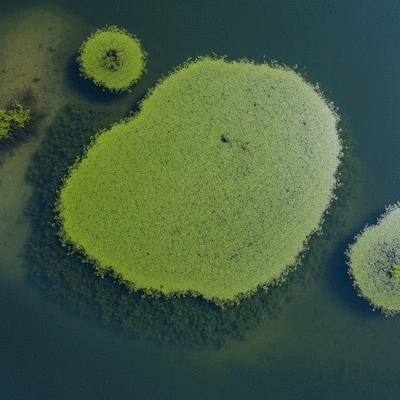
What is Hydrilla and Why is it a Concern?
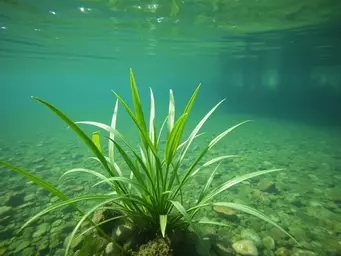
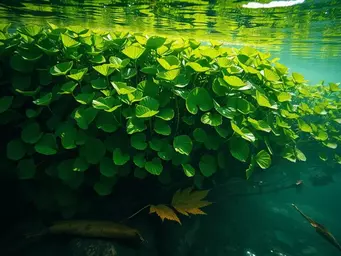
Hydrilla verticillata, commonly known as hydrilla, is a submerged aquatic plant that can thrive in various environments, from freshwater lakes to slow-moving rivers. Its ability to grow quickly and form dense mats can choke waterways, posing a grave threat to native habitats. In fact, hydrilla is infamous for its rapid growth, which can reach up to a foot per day under ideal conditions!
- Displacement of Native Species: By overshadowing native plants, hydrilla reduces biodiversity.
- Water Quality Issues: The dense mats can hinder oxygen exchange, leading to hypoxic conditions.
- Recreational Impact: Boating, fishing, and swimming can be severely affected by hydrilla infestations.
Understanding these concerns is crucial for anyone looking to manage hydrilla effectively. The good news? By leveraging science-based strategies and collaboration, we can combat its spread and restore our vital ecosystems.
The Rapid Spread of Hydrilla: Geographic Insights
Hydrilla's journey across North America is a stark reminder of the challenges we face against invasive species. Initially introduced in the 1960s, hydrilla has now spread to over 25 states! Its rapid proliferation is influenced by various factors, including water temperature, nutrient levels, and even human activities.
- Hotspots of Infestation: States like Florida and California experience severe hydrilla issues due to favorable climates. For instance, research conducted by the University of Florida highlights stakeholder preferences for invasive aquatic species management, providing valuable insights into effective strategies in such areas.
- Human Activity: Unintentional transport via boats and fishing gear contributes significantly to its spread. This is a common issue, as noted by the U.S. Army Corps of Engineers, which actively works on managing hydrilla in various waterways, including the Connecticut River.
- Climate Adaptability: Hydrilla can thrive in a range of environmental conditions, making it a formidable opponent.
By understanding the geographic insights related to hydrilla's spread, we can better formulate management strategies tailored to specific regions. It’s not just about identifying the problem; it’s about crafting solutions that cater to local ecosystems!
Hydrilla verticillata: A Closer Look at Its Biology and Behavior
To tackle hydrilla effectively, we need to dive into its biology and behavior. Hydrilla is a perennial plant, meaning it can survive year after year, making control efforts even more challenging. This species reproduces through fragmentation, tubers, and turions—each method allowing it to spread rapidly across water bodies.
- Fragmentation: Even small pieces of hydrilla can regenerate into new plants, complicating management efforts.
- Tubers: These underground storage organs can remain dormant for years, waiting for the right conditions to sprout.
- Turions: These are specialized buds that can float and establish new growth in different locations.
Understanding these biological characteristics is essential for developing effective management strategies. By recognizing the plant's resilience and adaptive strategies, we can implement comprehensive approaches to hinder its growth and restore the balance in our ecosystems.
Community Engagement: A Key to Success
Did you know that community involvement can significantly impact the success of hydrilla management efforts? Engaging local stakeholders not only raises awareness but also fosters a sense of stewardship towards our waterways. Studies show that areas with active community participation see a 30% increase in reporting and monitoring of invasive species.
Summarizing the Future of Hydrilla Research: Key Takeaways
As we look ahead, the importance of continued innovation in hydrilla management cannot be overstated. With hydrilla's rapid spread posing a significant threat to our aquatic ecosystems, finding effective management strategies is crucial. We need to stay on the cutting edge, embracing new technologies and methodologies that can enhance our understanding and control of this invasive species.
It's essential to recognize that innovation isn't just about new tools—it's about a holistic approach to ecosystem management. I often reflect on how our efforts at the Hydrilla Conservation Initiative are aimed at equipping professionals and educators with science-based resources. By fostering collaboration and knowledge sharing, we can make more significant strides in managing hydrilla effectively.
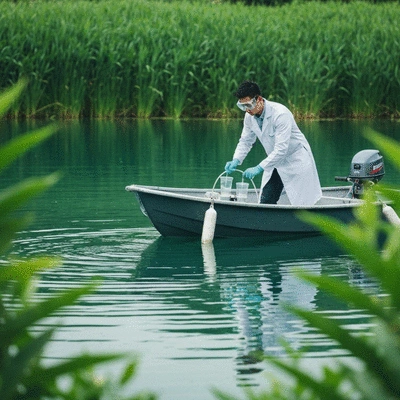
Importance of Continued Innovation in Hydrilla Management
Innovation in hydrilla management encompasses a range of strategies and technologies. Here are a few key areas that are shaping the future:
- Advanced Monitoring Technologies: Employing GIS tools, drones, and remote sensing to track hydrilla spread more accurately. For example, Northeastern University has been exploring new strategies to combat invasive hydrilla, emphasizing the role of advanced technologies in monitoring and control.
- New Herbicide Formulations: Researching lower doses and multi-year strategies to enhance control while minimizing environmental impact.
- Integrated Pest Management (IPM): Combining various control strategies for a more effective, sustainable approach.
These innovations are not just theoretical; they have real-world implications. For instance, using drone technology allows for rapid assessment of hydrilla-infested areas, enabling quicker responses and more targeted interventions.
Engaging Stakeholders for Successful Implementation of New Strategies
Engagement is a critical component in implementing effective hydrilla management strategies. Bringing together stakeholders such as local governments, environmental organizations, and community members can lead to a more unified approach. Here’s how we can foster this collaboration:
- Workshops and Training Sessions: Organizing educational events to inform stakeholders about new research and management techniques.
- Feedback Loops: Creating channels for stakeholders to share their experiences and provide input on strategies.
- Partnerships: Building partnerships between researchers and practitioners to facilitate the exchange of knowledge and resources.
At the Hydrilla Conservation Initiative, we've seen firsthand how effective communication can drive success. When stakeholders understand the challenges and opportunities, they’re more likely to support and implement innovative solutions.
The Role of Community Outreach in Hydrilla Management
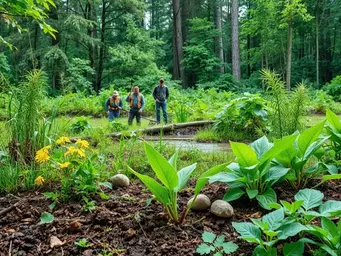
Community outreach plays a vital role in the management of hydrilla. By educating the public and local communities about the impacts of invasive species, we can foster a sense of stewardship. Engaging the community involves:
- Awareness Campaigns: Informing residents about the signs of hydrilla and the importance of reporting sightings.
- Volunteer Programs: Encouraging community members to participate in monitoring and removal efforts.
- Collaborative Events: Hosting community events focused on environmental education and invasive species awareness.
Through these outreach efforts, we not only empower individuals but also build a network of informed advocates for our waterways. As I often say, every small action counts in the fight against hydrilla!
Frequently Asked Questions About Hydrilla Management
Here are some common questions about hydrilla, its impact, and its management:
- Q: What is hydrilla and why is it a problem?
- A: Hydrilla verticillata is an invasive aquatic plant that grows rapidly, outcompeting native species, disrupting ecosystems, and negatively impacting water quality and recreational activities. It can form dense mats that choke waterways.
- Q: How does hydrilla spread so rapidly?
- A: Hydrilla spreads through various reproductive strategies: fragmentation (small plant pieces regenerate), tubers (underground storage organs that can remain dormant), and turions (specialized buds that float to new locations). Human activities like unintentional transport via boats also contribute significantly.
- Q: What are the main challenges in managing hydrilla?
- A: The main challenges include its rapid growth rate, diverse reproductive methods, adaptability to various environments, and the difficulty of controlling its spread once established. Its ability to survive year after year as a perennial plant also complicates management efforts.
- Q: What innovative strategies are being used to combat hydrilla?
- A: Innovative strategies include advanced monitoring technologies (GIS tools, drones, remote sensing), new herbicide formulations (lower doses, multi-year approaches), and Integrated Pest Management (IPM) which combines various control methods for sustainability.
- Q: Why is community engagement important in hydrilla management?
- A: Community engagement is crucial because it raises awareness, fosters stewardship, and encourages reporting and monitoring of invasive species. Involving local governments, organizations, and residents leads to a more unified approach and greater success in implementing management strategies.
Join the Conversation on Hydrilla Research and Innovations
As we continue to explore the complexities of hydrilla management, your voice matters! The Hydrilla Conservation Initiative invites you to join the conversation about innovative research and effective strategies.
Share Your Insights and Experiences
Have you encountered hydrilla in your local waterways? I encourage you to share your insights and experiences. Your stories can inspire others to take action and contribute to our collective efforts. Together, we can make a difference!
Stay Updated on Research Developments and Innovations
To stay informed about the latest research developments and innovations, consider subscribing to our newsletter. At the Hydrilla Conservation Initiative, we are committed to providing you with valuable resources and updates that empower you in the fight against invasive species.
Recap of Key Points
Here is a quick recap of the important points discussed in the article:
- Understanding Hydrilla: Hydrilla verticillata is an invasive aquatic plant that disrupts local ecosystems by outcompeting native species.
- Spread Factors: The rapid spread of hydrilla is influenced by environmental conditions and human activities, with hotspots in states like Florida and California.
- Biological Characteristics: Hydrilla can reproduce through fragmentation, tubers, and turions, making it resilient and difficult to manage.
- Innovation in Management: Emphasizing advanced monitoring technologies and integrated pest management strategies is crucial for effective control.
- Community Engagement: Involving stakeholders and the community through outreach and education fosters a collaborative approach to managing hydrilla.