Feeling overwhelmed by the rapid spread of hydrilla? Understanding its characteristics and impact can empower you to take decisive action. Dive into the key insights that will help you manage this invasive aquatic plant effectively.
What You Will Learn
- Rapid Growth: Hydrilla can grow up to 1 inch per day, quickly covering water surfaces and disrupting ecosystems.
- Oxygen Depletion: Dense mats of hydrilla block sunlight, leading to lower oxygen levels that harm fish and other aquatic life.
- Disruption of Native Species: By outcompeting local flora, hydrilla reduces biodiversity and alters habitat dynamics.
- Signs of Infestation: Identify hydrilla by its whorled leaves, presence of tubers, and signs of water discoloration.
- Ecological Impact: Hydrilla can choke waterways, disrupt food chains, and contribute to poor water quality through increased nutrient loads.
- Proactive Management: Regular monitoring and early intervention are key to controlling hydrilla before it becomes a major issue.
- Community Engagement: Connect with local experts, participate in forums, and utilize community resources for effective management strategies.
Hydrilla's Impact and Management: A Visual Guide
This visual outlines the key characteristics, ecological impacts, and essential management strategies for tackling Hydrilla in aquatic ecosystems.
Key Characteristics of Hydrilla
- • Rapid Growth (up to 1 inch/day)
- • Whorled Leaves (5-7 per group)
- • Presence of Tubers in sediment
- • Reproduces sexually & asexually
Ecological Impacts of Hydrilla
- • Reduced Biodiversity
- • Oxygen Depletion (harmful to fish)
- • Altered Food Chains
- • Increased Nutrient Loads (algal blooms)
Management Strategies
- Inspect: Confirm hydrilla presence.
- Choose Methods: Mechanical, biological, or chemical.
- Implement: Adhere to safety guidelines.
- Monitor & Adjust: Track effectiveness, refine approach.
Vigilance & Community Engagement
- • Monthly Checks (peak seasons)
- • Monitor water clarity & native health
- • Connect with local experts
- • Participate in pond management forums
Understanding Hydrilla: The Invasive Aquatic Plant Challenge
In the world of freshwater ecosystems, few plants can wreak havoc like hydrilla verticillata. This seemingly innocuous aquatic plant is notorious for its rapid growth and ability to outcompete native species, leading to significant ecological disruption. Have you ever wondered why this plant poses such a challenge, particularly for small ponds? Let’s explore the reasons behind its problematic nature.
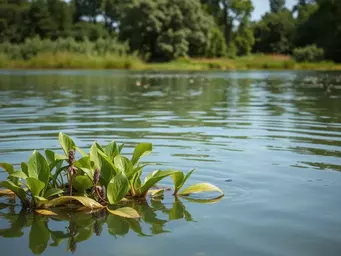
Hydrilla can spread quickly, forming dense mats that block sunlight and disrupt the natural balance of aquatic life. It thrives in a variety of conditions, especially in warmer waters, making it a formidable adversary for pond owners trying to maintain a healthy ecosystem. This invasion can lead to diminished oxygen levels, affecting fish and other aquatic organisms. Understanding the characteristics of hydrilla is the first step in combating its spread.
What is Hydrilla Verticillata and Why is It Problematic for Small Ponds?
Hydrilla verticillata, commonly known simply as hydrilla, is an aquatic plant that originates from Africa and Asia. It arrived in the United States in the late 1950s and has since established itself in many regions. The plant's ability to reproduce both sexually and asexually makes it particularly resilient and difficult to control. So, what makes it such a threat to small ponds?
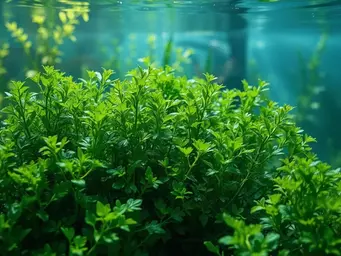
- Rapid Growth: Hydrilla can grow up to 1 inch per day, quickly covering the surface of the water.
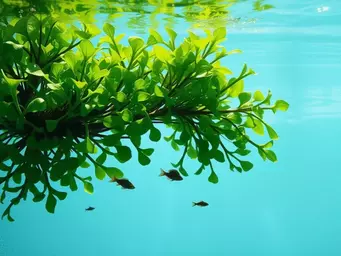
- Oxygen Depletion: Dense mats can block sunlight, leading to decreased oxygen levels, which is harmful to fish.
- Disruption of Native Species: By outcompeting native plants, hydrilla alters the habitat and reduces biodiversity. For example, in Michigan, efforts are underway to fight this long-feared aquatic invader.
The implications of hydrilla’s invasion are significant. Small ponds, which are often home to various wildlife, can experience drastic changes in their ecosystem due to this invasive species. If you’re a pond owner, recognizing these challenges is crucial to devising effective management strategies, as highlighted by various environmental stewardship programs.
Identifying Hydrilla: Signs and Symptoms of Infestation
Early detection of hydrilla is vital for controlling its spread. Knowing what to look for can make a significant difference in managing this invasive plant. Here are some key signs and symptoms to be aware of:
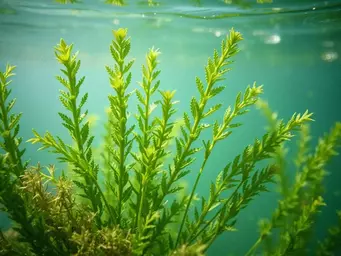
- Leaf Structure: Hydrilla has distinctive whorled leaves, usually in groups of five to seven around the stem.
- Presence of Tubers: These small, bulb-like structures can be found in sediment and contribute to hydrilla's spread.
- Water Discoloration: An increase in cloudy or murky water can signal a hydrilla infestation. In places like Rhode Island, hydrilla identification and management are ongoing concerns.
Being vigilant about these indicators can help you catch hydrilla before it becomes a major issue. Have you ever spotted hydrilla in your local pond? Sharing your experiences can help others recognize this invasive plant more effectively!
The Ecological Impact of Hydrilla on Aquatic Ecosystems
Hydrilla doesn’t just affect the ponds it invades; its ecological impact can extend far beyond. The plant can choke waterways, leading to changes in fish populations and overall water quality. When hydrilla takes over a pond, several critical issues arise:
- Reduced Biodiversity: Native aquatic plants and the wildlife that depend on them struggle to survive.
- Altered Food Chains: Changes in the aquatic plant community can disrupt food sources for fish and other animals.
- Water Quality Issues: Decomposing hydrilla can lead to increased nutrient loads, fueling further algal blooms.
Understanding these ecological consequences is key to advocating for effective solutions against hydrilla. At the Hydrilla Conservation Initiative, we’re committed to providing resources and strategies to empower pond owners and environmental professionals in tackling this invasive species head-on.
Pro Tip
To effectively manage hydrilla infestations, consider incorporating a combination of mechanical removal and biological control methods. Mechanical removal can help reduce the biomass of hydrilla, while introducing natural predators can help keep its growth in check. This holistic approach not only aids in immediate control but also promotes long-term ecosystem health.
Frequently Asked Questions about Hydrilla
What is hydrilla and why is it a problem?
Hydrilla (Hydrilla verticillata) is an invasive aquatic plant known for its rapid growth (up to 1 inch per day) and ability to form dense mats. It is problematic because it blocks sunlight, depletes oxygen, outcompetes native species, and disrupts aquatic ecosystems.
How can I identify hydrilla in my pond?
Key characteristics for identifying hydrilla include its whorled leaves (typically 5-7 leaves per group around the stem), the presence of small, bulb-like tubers in the sediment, and potential water discoloration (murky or cloudy water) as a sign of infestation.
What are the ecological impacts of hydrilla?
Hydrilla leads to reduced biodiversity by outcompeting native plants, causes oxygen depletion detrimental to fish and other aquatic life, alters food chains, and contributes to poor water quality through increased nutrient loads from decomposing plant matter, which can fuel algal blooms.
What are the main strategies for managing hydrilla?
Effective management strategies include mechanical removal, biological control (e.g., introducing natural predators), and chemical treatments. A combination of these methods is often most effective. Regular monitoring and early intervention are crucial for long-term control.
How can community engagement help in hydrilla management?
Community engagement, such as connecting with local experts, participating in pond management forums, and utilizing homeowner resources and extension services, can provide valuable insights, support, and shared knowledge, enhancing overall management efforts.
Wrapping Up Effective Hydrilla Management Strategies
As we conclude our discussion on managing hydrilla, it’s crucial to remember that effective control goes beyond just immediate action. Continued vigilance is essential in maintaining the health of your pond. The fight against hydrilla is ongoing, and regular monitoring can make all the difference in keeping this invasive species at bay!
Have you taken a moment to evaluate your pond? Keeping an eye out for new signs of hydrilla or changes in water quality can help you address potential problems early. Here are some key practices to incorporate into your regular monitoring:
- Check for the presence of hydrilla every month, especially during peak growth seasons.
- Monitor water clarity and native plant health to gauge ecosystem balance.
- Document any changes or infestations to inform your management strategies.
By staying proactive, you not only safeguard your pond but also contribute to the larger goal of ecosystem preservation. Remember, knowledge is power when it comes to effective hydrilla management!
Your Next Steps: Taking Action Against Hydrilla Infestation
Feeling motivated to tackle hydrilla? Taking decisive action is the next step! Begin by assessing your current situation and identifying which control methods align best with your pond’s needs. Here’s a simple plan to guide you:
- Conduct a thorough inspection to confirm the presence of hydrilla.
- Choose the most suitable management techniques—be it mechanical, biological, or chemical methods.
- Implement the chosen methods while adhering to safety and environmental guidelines.
- Monitor the effectiveness of your actions and adjust your strategies as necessary.
Engaging in the fight against hydrilla can be empowering! As you take these steps, remember that the Hydrilla Conservation Initiative is here to support you with resources and guidance tailored to your needs.
Engaging with the Community: Sharing Experiences and Resources
Building a supportive network can significantly enhance your hydra management efforts. Engaging with your community not only fosters shared knowledge but also empowers you and your neighbors to take action together!
Connecting with Local Experts: Finding Help and Advice
Don’t hesitate to reach out to local experts! Environmental organizations and extension services are valuable resources for homeowners. Here’s how to connect:
- Attend local workshops focused on invasive species management.
- Join community events that promote aquatic health and restoration.
- Consult with environmental specialists who have experience dealing with hydrilla.
Getting to know the experts in your area can provide you with practical insights and tailored strategies to enhance your pond’s health!
Participating in Pond Management Forums and Groups
Online platforms like forums and social media groups can be excellent avenues for sharing experiences and solutions. You can:
- Join local Facebook groups centered around pond management.
- Participate in discussions on specialized forums dedicated to invasive species.
- Share your success stories and challenges to inspire others.
These platforms foster a sense of community that can motivate you to stay engaged and informed about the latest in hydrilla management.
Accessing Homeowner Resources and Local Extension Services
Lastly, take advantage of resources offered by local extension services. They often provide:
- Educational materials on invasive species management.
- Workshops and webinars for practical hands-on learning.
- Access to experts who can answer specific questions about your pond.
Utilizing these resources can empower you to make informed decisions while managing hydrilla in your pond. Together, we can work towards healthier ecosystems!
Recap of Key Points
Here is a quick recap of the important points discussed in the article:
- Rapid Growth: Hydrilla can grow up to 1 inch per day, quickly covering water surfaces and blocking sunlight.
- Oxygen Depletion: Dense mats of hydrilla can lead to decreased oxygen levels in the water, harming fish and other aquatic life.
- Disruption of Native Species: Hydrilla outcompetes native plants, reducing biodiversity and altering habitats.
- Signs of Infestation: Look for distinctive whorled leaves, the presence of tubers, and water discoloration as indicators of hydrilla.
- Monitoring and Management: Regular inspections and monitoring of water quality are essential in managing hydrilla effectively.
- Community Engagement: Collaborate with local experts and participate in community forums to enhance management efforts against hydrilla.