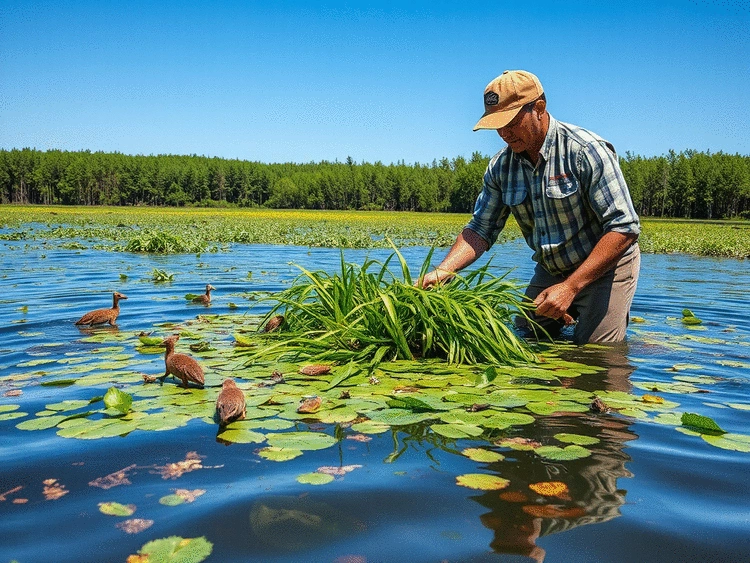

Did you know that hydrilla can grow up to an inch per day, transforming serene waterways into dense thickets? Understanding this invasive species is crucial for the health of our ecosystems. Here’s what you can learn about its impact and the importance of effective management strategies.
What You Will Learn
- Hydrilla is an invasive aquatic plant that disrupts ecosystems by outcompeting native species for sunlight and nutrients.
- Effective hydrilla management can restore native flora, improve water quality, and enhance recreational spaces.
- Community engagement and education are vital in managing hydrilla infestations and fostering a sense of ownership among residents.
- Lessons from successful hydrilla eradication case studies emphasize collaboration between stakeholders and adaptive management strategies.
Hydrilla Management: Key Stages and Impact Areas
This visual outlines the critical stages involved in Hydrilla management, from initial problems to effective solutions, and highlights the key areas of its environmental impact.
Problem: Hydrilla's Impact
- Rapid Overgrowth (up to 1 inch/day)
- Biodiversity Loss
- Water Quality Degradation
- Altered Food Webs
Solution: Management Strategies
- Early Detection & Intervention
- Integrated Control Methods (Mechanical, Biological, Chemical)
- Community Engagement & Education
- Policy Advocacy & Funding
Key Takeaways for Success
- Crucial Collaboration
- Adaptability in Strategies
- Education Drives Engagement
- Utilize Technology
Benefits of Effective Management
- Native Flora Restoration
- Improved Recreational Spaces
- Economic Benefits (lower costs)
- Healthier Ecosystems
Understanding Hydrilla: A Guide to Its Impact and Control
In our quest to protect water ecosystems, understanding hydrilla is crucial. This invasive aquatic plant poses significant challenges, transforming serene waterways into dense thickets that disrupt native habitats. Have you ever wondered how a single species can wreak such havoc? Let's explore why hydrilla is a problem and the urgency behind effective management strategies.
What is Hydrilla and Why Is It a Problem?
Hydrilla verticillata, commonly known as hydrilla, is an aquatic plant that originated in Asia but has spread across North America, particularly in warm climates. Its rapid growth and ability to thrive in various environments make it a formidable invader. But why should we be concerned? The primary issue lies in its tendency to outcompete native species for sunlight and nutrients, leading to biodiversity loss.
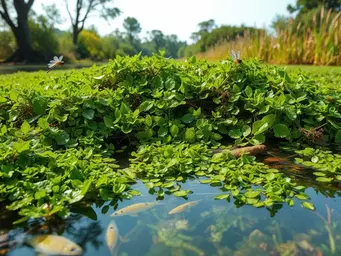
- Overgrowth: Hydrilla can grow up to an inch per day, quickly choking waterways.
- Impact on Wildlife: The dense mats hinder fish movement and alter habitats crucial for breeding.
- Water Quality Degradation: As hydrilla decays, it can lead to oxygen depletion, harming aquatic life.
These factors highlight the critical need for effective control measures to manage hydrilla's presence and protect our precious ecosystems. As an aquatic biologist, I’ve seen firsthand the devastating impacts of hydrilla, emphasizing the importance of active intervention.
The Importance of Effective Hydrilla Management
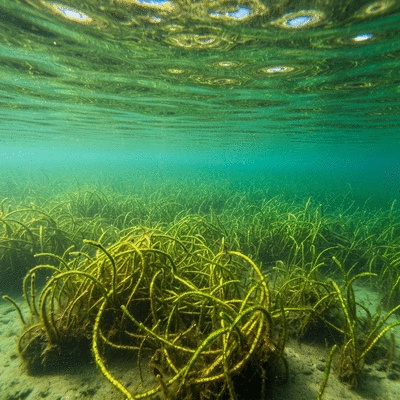
Effective hydrilla management is essential for safeguarding both our waterways and the communities that rely on them. It’s not just about removing a plant; it’s about restoring balance. By implementing management strategies, we can mitigate the ecological damage and promote healthier environments. Here are some benefits of effective management:
- Restoration of Native Flora: Healthy ecosystems support a variety of species.
- Improved Recreational Spaces: Clear waterways enhance fishing, boating, and swimming experiences.
- Economic Benefits: Reducing hydrilla can lead to lower costs in water treatment and maintenance.
The urgency to act cannot be overstated. By fostering awareness and encouraging action, we can collectively work towards a sustainable solution that benefits both the environment and our communities.
Hydrilla verticillata: Characteristics and Growth Patterns
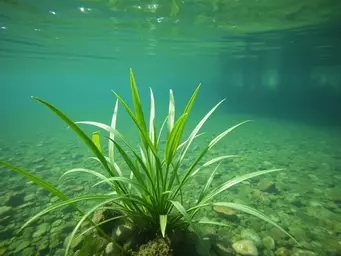
Understanding the characteristics and growth patterns of hydrilla is vital for effective management. This plant is often identified by its slender stems and unique whorled leaves, typically in clusters of five to seven. Additionally, hydrilla's ability to reproduce both sexually and asexually enables it to spread rapidly and establish itself in new areas.
- Light Requirements: Hydrilla thrives in both low and high light conditions, making it adaptable.
- Reproductive Strategies: It can produce turions and tubers, allowing for resilience through seasons.
- Habitat Versatility: Found in freshwater lakes, rivers, and ponds, hydrilla can settle in various aquatic environments.
By familiarizing ourselves with these traits, we can better anticipate hydrilla's spread and tailor our management approaches accordingly. Knowledge is our first line of defense in the fight against invasive species!
Environmental Impact of Invasive Species like Hydrilla
The environmental impact of hydrilla extends far beyond its immediate presence. Invasive species can alter ecosystems, affecting everything from nutrient cycling to species interactions. For instance, hydrilla can lead to increased turbid conditions in waterways, which may affect the growth of submerged plants and disrupt fish habitats. It's crucial to understand these impacts, as highlighted in reports such as the Connecticut River Hydrilla Environmental Assessment, which underscores the extensive environmental consequences of unchecked hydrilla growth.
- Biodiversity Loss: Native plant and animal populations may decline as hydrilla takes over.
- Altered Food Webs: The introduction of hydrilla changes the dynamics of predator-prey relationships.
- Water Quality Issues: Increased organic matter from decaying hydrilla can result in harmful algal blooms.
Addressing the environmental challenges posed by hydrilla requires a multi-faceted approach. By working collaboratively, we can develop innovative solutions that not only target hydrilla but also foster the recovery of our vital ecosystems.
Did You Know?
According to the U.S. Geological Survey, hydrilla can grow up to an astonishing one inch per day under optimal conditions, making it one of the fastest-growing aquatic plants. This rapid growth not only overwhelms local ecosystems but also poses significant challenges for management efforts.
Key Takeaways from Hydrilla Eradication Case Studies
As we reflect on various successful hydrilla eradication case studies, it's clear that each region has valuable lessons to share. By examining their strategies and outcomes, we can uncover essential insights that other areas can implement. What can we learn from these success stories? Here are some key takeaways:
- Collaboration is Crucial: Efforts that involve multiple stakeholders—government agencies, local communities, and environmental organizations—tend to yield better results.
- Adaptability Matters: Regions that remain flexible, adjusting their strategies based on ongoing assessments, are more likely to overcome challenges.
- Education Drives Engagement: Informing the public about hydrilla and its impacts encourages community involvement, enhancing management strategies significantly.
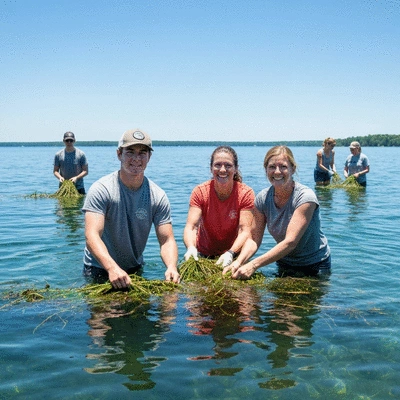
These insights emphasize the importance of a communal approach. For instance, in Florida, a blend of scientific research and active community participation has significantly helped in managing hydrilla. As someone deeply engaged in environmental conservation, I’ve seen firsthand how empowering local communities can lead to remarkable outcomes!
What Can Other Regions Learn from These Success Stories?
Each successful case study provides a unique playbook for other regions grappling with hydrilla infestations. One common theme is the necessity for early intervention. The sooner action is taken against hydrilla, the less damage it can inflict on local ecosystems. Reports like the Rapid Response Plan for Hydrilla in Massachusetts emphasize the importance of swift action to prevent widespread ecological damage. Here are specific lessons from various regions:
- Early Detection Systems: Regions like Texas have implemented monitoring programs to identify hydrilla growth before it spreads extensively.
- Public Awareness Campaigns: Engaging local communities through education has proven vital in states such as California.
- Utilizing Technology: Remote sensing and data analysis in New Zealand have enhanced their response efficiency.
These takeaways highlight that learning from others is a smart approach to tackling hydrilla effectively. If we take the time to study successful implementations, we can adapt and refine our strategies for our local conditions.
Importance of Community Engagement in Management Strategies
Community engagement is a cornerstone of successful hydrilla management. When local residents become active participants, the odds of successfully controlling hydrilla increase dramatically. Here’s why community involvement is vital:
- Local Knowledge: Residents often possess invaluable insights about their waterways that can inform management strategies.
- Ownership of Solutions: When community members contribute to the eradication efforts, they feel a sense of ownership, leading to sustained commitment.
- Volunteer Networks: Mobilizing volunteers for cleanup and monitoring activities builds stronger, more resilient communities.
Drawing from my experiences at the Hydrilla Conservation Initiative, I can attest to the power of community. By fostering collaboration among residents, we can create a united front against hydrilla and protect our vital ecosystems.
Best Practices for Hydrilla Management Plans
To effectively manage hydrilla, it’s essential to adopt best practices that have emerged from successful case studies. For instance, annual reports such as the Michigan Invasive Species Program Annual Report provide insights into comprehensive strategies that can be applied. Here’s a list of recommended strategies:
- Integrate Multiple Control Methods: Combining mechanical, biological, and chemical strategies often yields the best results.
- Regular Monitoring: Implementing consistent assessments allows for timely interventions.
- Public Education Initiatives: Training sessions and workshops can equip the community with knowledge and skills to contribute.
By considering these best practices, we can develop robust management plans that not only address the current challenges posed by hydrilla but also pave the way for future resilience. Remember, we have the power to make a difference—let's use it wisely!
Frequently Asked Questions About Hydrilla Management
Here are some common questions about hydrilla and its management:
- Q: What is hydrilla?
- A: Hydrilla (Hydrilla verticillata) is an invasive aquatic plant that originated in Asia and rapidly spreads in freshwater ecosystems, outcompeting native species.
- Q: Why is hydrilla considered a problem?
- A: Hydrilla can grow up to an inch per day, forming dense mats that choke waterways, reduce biodiversity, degrade water quality, and alter aquatic food webs. It negatively impacts fish movement, recreational activities, and can lead to oxygen depletion as it decays.
- Q: What are the main methods for managing hydrilla?
- A: Effective hydrilla management often involves a combination of strategies, including early detection and intervention, integrated control methods (mechanical removal, biological control, and chemical treatments), community engagement and education, and policy advocacy and funding.
- Q: How does community engagement help in hydrilla management?
- A: Community engagement is vital because local residents possess valuable knowledge about their waterways, fostering a sense of ownership for solutions, and providing volunteer networks for cleanup and monitoring efforts. Educating the public also increases support for management strategies.
- Q: What are the benefits of effective hydrilla management?
- A: Effective management leads to the restoration of native flora, improved recreational spaces (fishing, boating, swimming), economic benefits through reduced water treatment and maintenance costs, and overall healthier aquatic ecosystems.
Get Involved: How You Can Contribute to Hydrilla Management
Feeling inspired to take action? Contributing to hydrilla management efforts is rewarding and vital for protecting our waterways. Here’s how you can make a difference:
Supporting Local Efforts and Policies
Your voice matters! Engaging with local policymakers and supporting environmental initiatives can have a lasting impact. Here are some ways to get involved:
- Attend Local Meetings: Participate in community discussions focused on hydrilla management.
- Advocate for Funding: Push for state and federal funding dedicated to invasive species management.
- Raise Awareness: Use social media and local events to educate others about the importance of controlling hydrilla.
Engagement at the policy level ensures that hydrilla management remains a priority. Remember, every action counts, no matter how small!
Resources for Further Learning and Engagement
Knowledge is power! To further your understanding and involvement with hydrilla management, consider these resources:
- Hydrilla Conservation Initiative Resources: Our website offers illustrated guides and management tutorials.
- Local Environmental Organizations: Many groups provide workshops and training sessions focused on invasive species.
- Online Courses: Look for webinars and online courses dedicated to invasive species management.
By arming yourself with information, you’ll be better equipped to contribute effectively to management efforts. Let’s continue learning and growing together!
Participating in Community Workshops and Educational Programs
Community workshops are fantastic opportunities to engage and learn. Participating in these programs not only enhances your knowledge but also connects you with others who share a passion for protecting our waterways. Consider these options:
- Sign Up for Local Workshops: Many communities host hands-on workshops to teach residents about identifying and managing hydrilla.
- Volunteer Opportunities: Look for volunteer days focused on invasive species removal and monitoring.
- Collaborate with Educators: Partnering with schools or universities can foster educational programs that reach a broader audience.
As I often say, collaboration is key. Together, we can create a ripple effect of positive change that benefits our ecosystems and communities. Are you ready to join the fight against hydrilla?
Recap of Key Points
Here is a quick recap of the important points discussed in the article:
- Understanding Hydrilla: Hydrilla verticillata is an invasive aquatic plant that disrupts native ecosystems by outcompeting local species for resources.
- Importance of Management: Effective management strategies are crucial for restoring native flora, improving recreational spaces, and reducing economic costs related to water treatment.
- Community Engagement: Local involvement enhances management efforts, utilizing local knowledge and fostering a sense of ownership among residents.
- Best Practices: Successful management includes integrating multiple control methods, regular monitoring, and public education initiatives.
- Collaboration: Collective efforts among stakeholders lead to more effective hydrilla management outcomes.