
As we navigate the intricate world of invasive species, it's essential to understand the profound impact they can have on our ecosystems. Consider hydrilla, a resilient aquatic plant that threatens the delicate balance of freshwater habitats. How can we combat such a formidable invader? Let's explore key insights that will empower you to take action.
What You Will Learn
- Hydrilla verticillata, originally from Africa, Asia, and Europe, was introduced to North America in the 1960s and is known for its rapid growth and adaptability.
- The plant reproduces vegetatively, meaning even small fragments can root and create new plants, complicating control efforts.
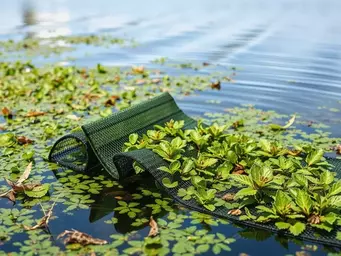
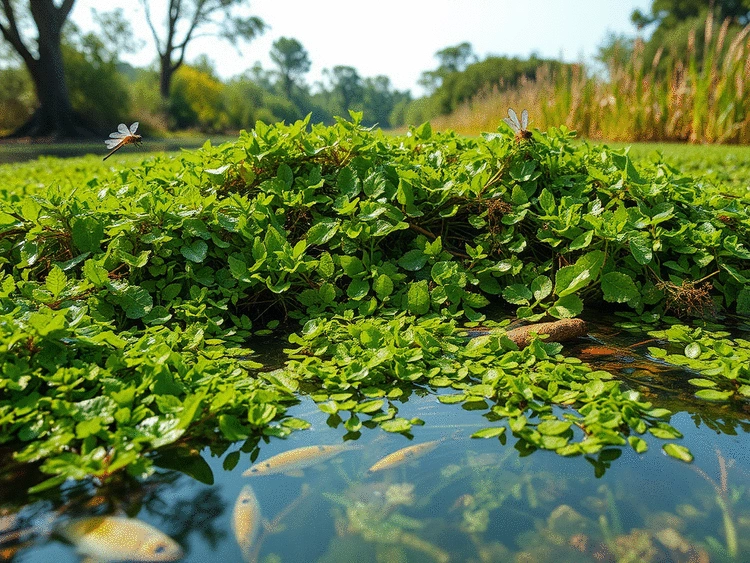
- Hydrilla creates dense mats in water bodies, blocking sunlight and outcompeting native plants, leading to reduced biodiversity.
- Community involvement in clean-up events and educational workshops can significantly enhance efforts to manage hydrilla and protect local ecosystems.
- Preventative measures, such as educating boaters about cleaning practices and monitoring waterways, are crucial to preventing hydrilla spread.
Hydrilla: An Invasive Species Overview
This visual provides a concise overview of Hydrilla's characteristics and its impacts as an invasive aquatic species, highlighting key aspects of its introduction, spread, and ecological disruption.
Hydrilla Origins & Introduction
- Native to Africa, Asia, Europe.
- Introduced to North America in 1960s.
- Likely via aquarium trade, unintentional releases.
- Thrives in warm, nutrient-rich freshwaters.
Key Characteristics & Spread
- Whorled leaves (5-7 per group).
- Rapid vegetative reproduction (fragments).
- Forms dense mats, blocks sunlight.
- Highly adaptable to diverse habitats.
Ecological Impact as an Invader
- Outcompetes native aquatic plants.
- Reduces biodiversity and habitat.
- Alters food webs & predation dynamics.
- Impacts fish populations & water quality.
Management Strategies
- Community clean-ups & education.
- Boater education to prevent spread.
- Native plant restoration.
- IPM (biological, mechanical, chemical).
Understanding Hydrilla: An Invasive Species Threatening Native Ecosystems
As an aquatic biologist, I've dedicated years to studying the complexities of hydrilla, a formidable invasive species that poses a significant threat to our native ecosystems. This plant, scientifically known as Hydrilla verticillata, has a fascinating yet troubling history that underlines the necessity of understanding it. In this section, we'll delve into hydrilla's origins, its characteristics, and its role as a non-native species in freshwater ecosystems.
What is Hydrilla verticillata and Its Origins?
Hydrilla verticillata is a submerged aquatic plant originally from Africa, Asia, and Europe. It made its way to North America in the 1960s, likely through the aquarium trade and unintentional releases. Once introduced, it quickly adapted to various freshwater environments, thriving in warm and nutrient-rich waters. Have you ever wondered how a plant can become so widespread and problematic? The answer lies in its rapid growth and resilient nature.
Hydrilla's ability to spread rapidly is aided by its vegetative reproduction, where each fragment can root and form a new plant. This trait makes it incredibly difficult to control. In fact, hydrilla has since expanded across the United States, especially in the southeastern regions. For more information on its distribution and control efforts, you can refer to resources from PA Sea Grant.
Here’s a quick look at its journey:
- Introduced in the 1960s through aquarium releases
- Thrives in warm, nutrient-rich waters
- Vegetative reproduction allows for rapid spread
Characteristics of Hydrilla and Its Spread in North America
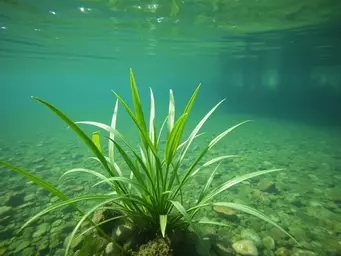
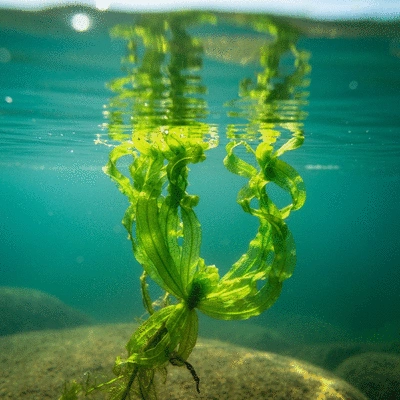
One of the most distinguishing features of hydrilla is its whorled leaves, typically arranged in groups of five to seven. It can grow densely, creating a canopy that blocks sunlight from reaching native aquatic plants. This dense growth not only dominates the water column but also serves as a habitat for various organisms. However, this isn't just a story of success; it’s a tale of ecological disruption.
Hydrilla's spread in North America has led to significant changes in local ecosystems. It can grow in a variety of conditions, which makes it a versatile invader. It can outcompete native plants for resources, leading to a decline in biodiversity. For further details on its characteristics and impacts, valuable insights can be found in a research summary on Hydrilla Hazard.
Here are some characteristics that facilitate its spread:
- Ability to grow in diverse habitats
- Formation of dense mats that block sunlight
- Vegetative reproduction that promotes rapid expansion
The Role of Hydrilla as a Non-Native Species in Freshwater Ecosystems
As a non-native species, hydrilla disrupts the delicate balance of freshwater ecosystems. Its introduction has created a ripple effect, impacting native flora and fauna alike. For example, the dense mats formed by hydrilla can choke out native plants, leading to a significant drop in habitat diversity. This not only affects plant life but also has profound implications for fish and other aquatic creatures.
What does this mean for our waterways? The presence of hydrilla fundamentally alters food webs and predation dynamics, affecting everything from fish populations to water quality. Understanding these interactions is critical for anyone involved in ecosystem management, and that's where the Hydrilla Conservation Initiative comes in. We provide resources and strategies to help combat these invasive species and protect our ecosystems. Let’s explore these impacts further!
Interactive Poll: Your Thoughts on Hydrilla
As we continue to explore the impact of hydrilla on our ecosystems, we want to hear from you! How familiar are you with hydrilla and its effects on local waterways?
Frequently Asked Questions About Hydrilla
Taking Action: Strategies for Managing Hydrilla and Protecting Ecosystems
As an environmental community, we all have a crucial role in managing hydrilla and fostering the health of our ecosystems. Each of us can contribute, whether through community involvement, advocacy, or simply being informed. The first step toward tackling this invasive species is raising awareness and promoting collaborative efforts. What can you do in your local area to help? Let’s explore some effective strategies!
Community Involvement in Invasive Species Management
Community involvement is essential for effective management of invasive species like hydrilla. Engaging local residents, schools, and organizations can build a solid foundation for action. Here are some ways communities can come together:
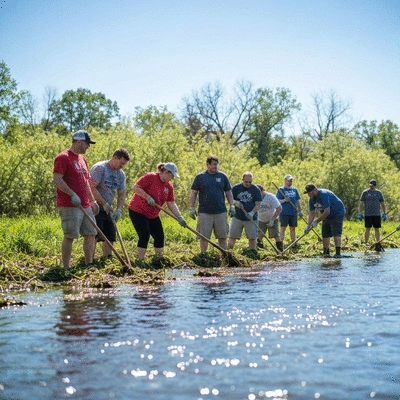
- Organizing clean-up events: Gather volunteers to remove hydrilla from local waterways. These events foster teamwork and awareness.
- Educational workshops: Host sessions to teach community members about hydrilla identification, management techniques, and the importance of native ecosystems.
- Creating monitoring programs: Involve community members in tracking hydrilla growth and reporting sightings to local environmental agencies.
By fostering a sense of ownership and responsibility, we can create a strong network dedicated to combating hydrilla. Not only does this empower individuals, but it also enhances our collective impact!
Preventative Measures to Safeguard Native Ecosystems
Preventing the spread of hydrilla is just as important as managing existing populations. Here are some proactive measures that can be taken to protect our native ecosystems:
- Educating boaters: Inform local boaters about cleaning their vessels before moving between water bodies. This simple measure can significantly reduce the risk of transporting hydrilla. You can find more information on preventing spread in presentations from organizations like the US Army Corps of Engineers.
- Monitoring water sources: Regular inspections of waterways can help identify and address hydrilla infestations early on, preventing larger outbreaks.
- Promoting native plant restoration: Reintroducing native species can help restore ecological balance and reduce competition with hydrilla.
In my work with the Hydrilla Conservation Initiative, I’ve seen firsthand how community education and active participation can create lasting change. Every action counts, and together, we can implement these strategies to safeguard our ecosystems!
Watershed Management Practices to Combat Hydrilla Spread
Effective watershed management is a critical component of preventing hydrilla spread. Implementing targeted practices can help maintain the health of aquatic ecosystems:
- Buffer zones: Establishing vegetation buffers along waterways can help filter runoff and reduce nutrient loading, creating less favorable conditions for hydrilla.
- Controlling water levels: Managing water levels can limit hydrilla growth by reducing suitable habitat. This technique can be especially useful in controlled environments like lakes and reservoirs.
- Integrated pest management (IPM): Utilize a combination of biological, mechanical, and chemical control methods to manage hydrilla effectively while minimizing environmental impact.
These practices not only help combat hydrilla but also enhance overall ecosystem health. By working together and implementing these strategies, we can take significant strides toward protecting our precious waterways!
Recap of Key Points
Here is a quick recap of the important points discussed in the article:
- Hydrilla verticillata is an invasive aquatic plant that spreads rapidly through vegetative reproduction, making it a significant threat to native ecosystems.
- Its dense growth can choke out native plants and disrupt local food webs, leading to a decline in biodiversity.
- Community involvement is vital for managing hydrilla, including organizing clean-up events, educational workshops, and monitoring programs.
- Preventative measures, such as educating boaters and promoting native plant restoration, are essential to safeguard ecosystems from hydrilla spread.
- Implementing effective watershed management practices, like establishing buffer zones and controlling water levels, can help combat hydrilla effectively.