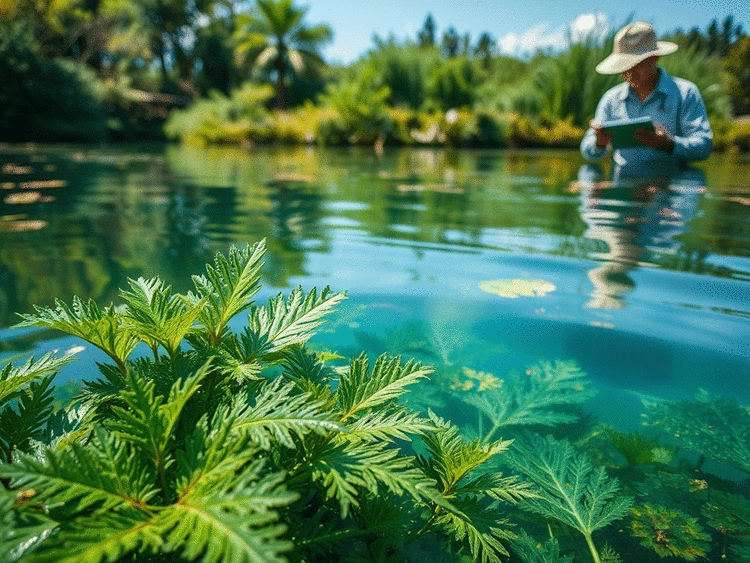

Invasive species like hydrilla can transform our waterways in alarming ways. By recognizing these changes early, communities can take action to protect their aquatic ecosystems. What insights can we gain to combat this issue effectively?
What You Will Learn
- Hydrilla's Rapid Growth: This invasive plant can double in size within a week, making early detection crucial.
- Reproductive Strategies: Hydrilla reproduces through fragments, tubers, and seeds, complicating control efforts.
- Environmental Impact: Its presence lowers water quality, displacing native species and disrupting local ecosystems.
- Economic Consequences: Communities may face tourism declines as recreational activities are impacted by hydrilla overgrowth.
- Effective Reporting: Accurate identification and reporting of hydrilla infestations enable timely management actions.
- Community Engagement: Involving local residents in monitoring and conservation fosters stewardship and awareness.
- Monitoring Techniques: Evaluating the cost and effectiveness of methods like drones and eDNA can optimize resource allocation in management efforts.
Hydrilla Detection Methods: Cost vs. Effectiveness
This visual compares the estimated cost and effectiveness of different methods used to detect Hydrilla.
Detection MethodDrones
Offers impressive aerial insights for wide-area scanning.
Detection MethodeDNA Testing
Rapidly becoming preferred due to high accuracy and lower cost.
Detection MethodTraditional Methods
Less effective but still useful in specific situations.
Understanding Hydrilla Invasions and the Need for Early Detection
Invasive species like hydrilla verticillata pose a significant threat to our aquatic ecosystems. This plant, often mistaken for harmless vegetation, can rapidly overtake waterways, disrupting not just the natural balance but also impacting local economies. Have you ever seen a once-clear lake turn into a dense jungle of hydrilla? It’s both fascinating and alarming!
Understanding hydrilla’s biology and behavior is crucial to addressing its invasiveness. Recognizing it early can make a difference in managing its spread. Let's explore why focusing on early detection is so vital.
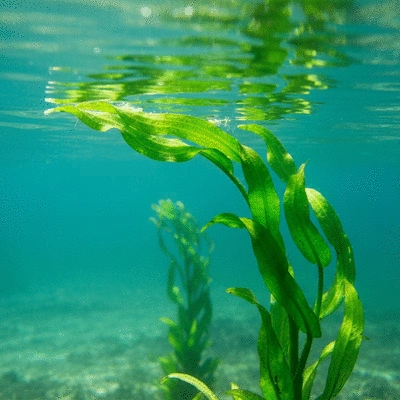
What is Hydrilla verticillata and Why is it a Concern?
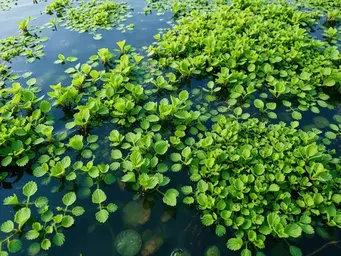
Hydrilla verticillata, commonly known as hydrilla, is an aquatic plant that can grow in various water conditions. It’s particularly concerning because it reproduces at an alarming rate, forming thick mats that block sunlight and deplete oxygen levels in the water. This overwhelming growth can suffocate native plants and disrupt entire ecosystems.
- Rapid Growth: Hydrilla can double in size within a week.
- Reproductive Versatility: It can reproduce through fragments, tubers, and seeds, making it hard to control.
- Ecological Impact: Its dense mats can displace native species and harm aquatic wildlife.
As an aquatic biologist, I’ve seen firsthand the damage hydrilla can do. It’s not just an environmental issue; it’s a community concern, affecting recreational activities and local economies that rely on healthy water bodies.
The Impact of Hydrilla on Aquatic Ecosystems and Local Economies
The presence of hydrilla can lead to severe ecological and economic repercussions. When hydrilla flourishes, native fish species struggle to thrive due to the loss of habitat and food sources. Moreover, recreational activities such as fishing, boating, and swimming can be severely affected, leading to declining tourism revenue. Communities can safeguard their inland lakes by learning about hydrilla's arrival and impacts, as highlighted by Michigan State University Extension.
- Fish Populations: Native fish like bass and perch may decline as their habitats are overtaken.
- Water Quality: The dense mats can lead to lower oxygen levels, affecting overall aquatic health.
- Economic Loss: Communities dependent on tourism may see a drop in visitors due to degraded waterways.
In my work with the Hydrilla Conservation Initiative, I aim to provide resources that help communities understand these impacts and take action. Together, we can foster healthier ecosystems and economies.
Key Factors in Assessing Environmental Impact and Biodiversity Conservation
To effectively manage hydrilla, we must consider several key factors. Understanding the environment's current state and the interactions between species will help inform management strategies. We should focus on maintaining biodiversity to ensure ecosystems can recover from invasions.
- Monitoring Species Diversity: Regular assessments can help track the health of native species.
- Habitat Conditions: Conditions like nutrient levels, water flow, and pH can influence hydrilla's success.
- Community Engagement: Involving local communities in monitoring and conservation efforts is vital.
By integrating science with community action, we can create a robust framework for addressing hydrilla invasions. It’s all about working together towards preserving our precious waterways.
Community Engagement: Your Role in Combatting Hydrilla
Did you know that local communities play a crucial role in managing hydrilla invasions? By staying informed and actively participating, you can make a significant impact on preserving your aquatic ecosystems. Consider organizing community clean-up events or informational sessions to educate others about hydrilla and its effects. Together, we can foster a culture of stewardship that leads to healthier waterways!
Strategizing Rapid Response to Hydrilla Invasions
When it comes to hydrilla invasions, swift and effective action is key. Together, we can develop strategies that empower communities and stakeholders to act decisively. The first step in our response strategy is identifying and reporting hydrilla. But how can we do this efficiently? Let’s dive into some best practices that make a real difference!
Identifying and Reporting Hydrilla: Best Practices for Stakeholder Engagement
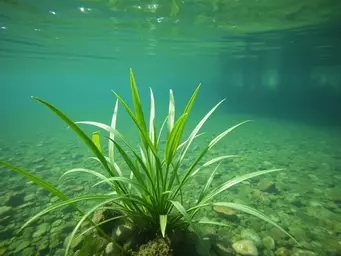
Being knowledgeable about hydrilla identification plays a crucial role in early detection. You can help by knowing what to look for—hydrilla has distinctive whorled leaves and can often be found in still or slow-moving waters. But spotting hydrilla is just the beginning; reporting it accurately is vital for effective management. For comprehensive guidelines on surveillance best practices for invasive aquatic plants, refer to the Great Lakes Commission's report.
- Gather clear and detailed information about the location and size of the infestation.
- Take photographs to document the presence of hydrilla.
- Use identification guides from the Hydrilla Conservation Initiative to ensure accuracy.
- Contact local environmental agencies with your findings, providing your documentation.
By following these steps, we can ensure that our reports are actionable and reach the right people. Engaging stakeholders, including local government and environmental organizations, fosters collaboration and shared responsibility.
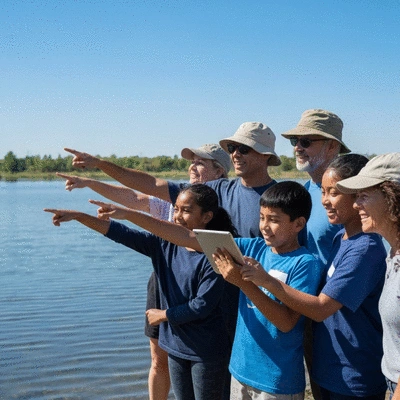
How to Report Findings Effectively to Environmental Agencies
Effective communication is vital when reporting hydrilla findings. Each agency may have different reporting procedures, but here are some universal tips:
- Check if the agency has an online reporting system or a dedicated hotline.
- Be concise but thorough in your descriptions—detail helps prioritize responses!
- Follow up on your report to ensure it has been received and is being acted upon.
Involving the community in this process can increase the reach of your efforts and prompt quicker action. As someone passionate about environmental conservation, I often find that sharing knowledge about proper reporting can create a ripple effect in the community!
Creating Community Awareness through Citizen Science Initiatives
Citizen science initiatives are a fantastic way to engage the community in the fight against hydrilla. By involving local residents, we can cultivate a sense of stewardship and responsibility towards our waterways. Here are a few ways to build awareness:
- Host workshops that teach community members how to identify hydrilla.
- Encourage local schools to participate in monitoring activities.
- Share success stories through social media to inspire others.
Working together, we can turn community members into advocates for our aquatic ecosystems. The more people are aware of hydrilla's threats, the more likely they are to take action and contribute to conservation efforts!
Frequently Asked Questions about Hydrilla Invasions
- Q: What is hydrilla verticillata?
- A: Hydrilla verticillata, or hydrilla, is a rapidly growing invasive aquatic plant that can form dense mats, blocking sunlight and depleting oxygen in waterways.
- Q: How does hydrilla reproduce?
- A: Hydrilla is highly versatile in its reproduction, utilizing fragments, tubers, and seeds, which makes control efforts challenging.
- Q: What are the main ecological impacts of hydrilla?
- A: Its dense mats can displace native aquatic plants and animals, lower water quality by reducing oxygen levels, and disrupt entire aquatic ecosystems.
- Q: How does hydrilla affect local economies?
- A: Hydrilla invasions can severely impact recreational activities like fishing and boating, leading to declines in tourism and associated revenue for communities.
- Q: What is the most effective way to detect hydrilla?
- A: While drones offer high effectiveness, eDNA testing is rapidly becoming the preferred method due to its very high accuracy and relatively lower cost compared to other methods.
- Q: Why is early detection important for managing hydrilla?
- A: Early detection is crucial because hydrilla can double in size within a week. Identifying and addressing infestations early can prevent widespread environmental and economic damage, often at a lower cost than managing established invasions.
- Q: How can communities contribute to controlling hydrilla?
- A: Communities can play a vital role through citizen science initiatives, learning to identify hydrilla, and accurately reporting findings to local environmental agencies. Engaging in monitoring and conservation efforts fosters stewardship and awareness.
Assessing the Cost and Effectiveness of Monitoring Techniques
Understanding the cost and effectiveness of various monitoring techniques is essential for informed decision-making. By evaluating these factors, we can prioritize the most impactful strategies for managing hydrilla invasions. For example, the Rhode Island Department of Environmental Management provides resources on hydrilla identification and control, illustrating regional approaches.
Comparing Costs: Drones vs. eDNA vs. Traditional Methods of Detection
Each monitoring method comes with its own set of financial implications. Here’s a quick comparison:
| Method | Estimated Cost | Effectiveness |
|---|---|---|
| Drones | $$$ | High |
| eDNA | $$ | Very High |
| Traditional Methods | $ | Moderate |
Drones offer impressive aerial insights, but eDNA testing is rapidly becoming a preferred method due to its high accuracy and relatively lower cost. Meanwhile, traditional methods may be less effective but can still play a role in certain situations.
Evaluating the Return on Investment for Early Interventions in Invasive Species Management
Assessing the return on investment (ROI) for interventions can help determine the best use of resources. Early interventions often save money in the long run by preventing larger infestations. Here are some points to consider when evaluating ROI:
- Compare initial monitoring costs against potential restoration costs.
- Assess the ecological benefits of timely intervention.
- Track the impact of community engagement on management success.
Investing in early detection can lead to healthier ecosystems and significant savings. By making informed decisions, we can combat hydrilla invasions more effectively and preserve our precious waterways.
Recap of Key Points
Here is a quick recap of the important points discussed in the article:
- Hydrilla verticillata is a rapidly growing invasive aquatic plant that can severely disrupt local ecosystems.
- Early detection is crucial for effective management; recognizing hydrilla's distinctive features can aid in this process.
- Community engagement and citizen science initiatives play a vital role in monitoring and reporting hydrilla infestations.
- Different monitoring techniques vary in cost and effectiveness; eDNA testing is emerging as a preferred method due to its accuracy.
- Investing in early interventions can save costs and help maintain healthier aquatic ecosystems.