
As the battle against hydrilla intensifies, understanding its resistance mechanisms to herbicides becomes not just important, but essential. This knowledge enables environmental professionals to develop innovative and effective management strategies. What insights can we extract to help preserve our ecosystems?
What You Will Learn
- Key mutations in hydrilla, particularly in the phytoene desaturase (PDS) gene, contribute to its herbicide resistance.
- Effective management requires a shift toward integrated strategies that blend chemical, biological, and mechanical approaches.
- Ongoing monitoring of hydrilla populations is crucial to detect resistance early and implement adaptive management techniques.
- Understanding both target-site and non-target site resistance is essential for refining herbicide application methods.
Key Mechanisms and Management Strategies for Hydrilla Resistance
This visual summarizes the multifaceted resistance mechanisms of Hydrilla and the recommended strategies for effective, sustainable management.
Hydrilla's Defensive Playbook
Resistance
Mechanisms
Target-Site Mutations
Changes in specific herbicide binding sites (e.g., PDS gene).
Metabolic Resistance
Enhanced ability to detoxify or degrade herbicides.
Increased Growth Rates
Rapid reproduction outpaces control efforts.
Your Action Plan
Effective Management Strategies
Integrated Approach
Combine chemical, biological, and mechanical methods.
Herbicide Rotation
Switch herbicides regularly to prevent resistance development.
Ongoing Monitoring
Early detection is key for adaptive management.
Understanding Hydrilla Resistance to Herbicides: An Overview
As we dive into the complexities of managing hydrilla, it's crucial to recognize its resistance mechanisms to herbicides. Hydrilla's ability to adapt stems largely from key mutations, such as those in the phytoene desaturase (PDS) gene. This mutation enables hydrilla to survive treatments that would typically control other aquatic plants, making it a challenging adversary for lake managers. By understanding these mechanisms, we can develop more effective management strategies. For a deeper understanding of aquatic plant resistance, you can refer to resources like the University of Florida's IFAS Extension.
In essence, the presence of herbicide-resistant hydrilla necessitates a shift in our approach to control. We can no longer rely solely on chemical solutions. Instead, we must integrate holistic management practices that consider the ecological balance and sustainability of our waterways.
Executive Summary of Hydrilla Resistance Mechanisms
The mechanisms behind hydrilla resistance to herbicides are multifaceted. Key mutations allow it not only to survive but thrive despite the application of common herbicides. Some essential resistance mechanisms include:
- Target-site mutations: Changes in the specific site where herbicides act, rendering them less effective.
- Metabolic resistance: Enhanced ability of hydrilla to degrade herbicides before they can exert their effects.
- Increased growth rates: Rapid reproduction can outpace management efforts, complicating eradication.
Each mechanism plays a significant role in how we approach hydrilla management. Acknowledging these factors will be vital for developing strategies that are both effective and environmentally responsible.
The Importance of Addressing Herbicide Resistance in Aquatic Management
As an aquatic biologist, I've witnessed firsthand the ecological and economic impacts of hydrilla. This invasive species not only disrupts native ecosystems but also burdens local communities with increased management costs. Effective herbicide management is essential for lake and resource managers to mitigate these challenges, as detailed by the U.S. Geological Survey on Hydrilla Management and Ecology.
Here are some key reasons why addressing herbicide resistance is paramount:
- Preservation of biodiversity: Ensuring that native species can coexist and thrive is crucial for maintaining ecosystem health.
- Cost reduction: Implementing effective management strategies can help reduce long-term costs for local governments and organizations.
- Water quality improvement: Limiting hydrilla growth helps maintain clear waterways and protects aquatic habitats.
Recognizing the importance of herbicide resistance in our management strategies can lead to more sustainable solutions and a healthier environment.
Hydrilla verticillata: Characteristics and Challenges
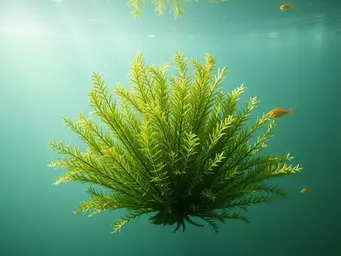
Now, let’s take a closer look at Hydrilla verticillata, the star of our invasive species spotlight. This plant is known for its rapid growth and adaptability, thriving in various aquatic environments. Its ability to form dense mats can choke out native species, leading to significant ecological consequences, as further explained by the University of Florida's guide on Hydrilla Identification and Management.
Some notable characteristics and challenges presented by hydrilla include:
- High reproductive rate: Hydrilla can reproduce through fragmentation, making control efforts even more difficult.
- Environmental adaptability: It can thrive in both still and flowing waters, adjusting to different conditions.
- Resistance development: As we previously discussed, resistance mechanisms complicate traditional control methods.
Understanding these characteristics enables us to develop targeted strategies for managing hydrilla effectively. Together, we can work towards restoring balance in our precious ecosystems.
Mechanisms of Resistance in Hydrilla: Insights and Implications
Molecular Mechanisms Behind Herbicide Resistance
Exploring the genetic mutations that contribute to herbicide resistance in hydrilla reveals critical insights into its survival strategies.
- Target-site resistance: Mutations in the PDS gene prevent herbicides from binding effectively.
- Metabolic resistance: Hydrilla can enhance its metabolic pathways to detoxify herbicides before they can take effect.
Understanding these mechanisms helps us refine our management techniques, ensuring they are both effective and adaptable to hydrilla’s capabilities.
Case Studies of Resistance Emergence: Learning from the Past
Historical case studies, such as the emergence of fluridone resistance in Florida, serve as valuable lessons for managing hydrilla. By analyzing sampling methods and observed efficacy reductions in these cases, we can better prepare for similar challenges in the future.
Through these case studies, we learn not only about the nature of resistance but also about the importance of ongoing monitoring and adaptive strategies.
Understanding Target Site and Non-Target Site Resistance
Distinguishing between target site and non-target site resistance in hydrilla is essential for developing effective herbicide management strategies.
- Target site resistance: Directly affects the herbicide's ability to bind to its intended target, leading to reduced efficacy.
- Non-target site resistance: Involves metabolic pathways that allow hydrilla to detoxify or expel herbicides, complicating control efforts.
Recognizing these differences can inform our approach to herbicide application and resistance management.
Frequently Asked Questions About Hydrilla Resistance
What is hydrilla and why is its resistance to herbicides a concern?
Hydrilla (Hydrilla verticillata) is an invasive aquatic plant known for its rapid growth and ability to form dense mats, which can disrupt native ecosystems and increase management costs. Its resistance to herbicides, often due to genetic mutations, makes traditional chemical control methods less effective, posing a significant challenge for environmental and lake managers.
What are the key resistance mechanisms hydrilla uses against herbicides?
Hydrilla primarily employs target-site mutations, such as those in the phytoene desaturase (PDS) gene, which prevent herbicides from binding effectively. It also exhibits metabolic resistance, where it enhances its ability to detoxify or degrade herbicides, and has high growth rates that can outpace control efforts.
How can environmental professionals effectively manage herbicide-resistant hydrilla?
Effective management requires an integrated approach combining chemical, biological, and mechanical methods. Key strategies include rotating herbicides to prevent resistance, continuous monitoring of hydrilla populations for early detection of resistance, and participating in workshops to stay informed about best practices in aquatic conservation.
What is the difference between target-site and non-target-site resistance?
Target-site resistance involves genetic changes directly at the herbicide's intended binding site, reducing its effectiveness. Non-target-site resistance, conversely, involves broader metabolic pathways that allow the plant to detoxify or expel the herbicide before it can act, complicating control efforts.
Why is ongoing monitoring of hydrilla populations important?
Ongoing monitoring is crucial for early detection of herbicide resistance development. This allows managers to adapt their strategies promptly, preventing widespread infestations and ensuring that control efforts remain effective and cost-efficient. It also helps in understanding the long-term ecological impacts and success of management interventions.
We Want to Hear From You!
What strategies have you found most effective in managing hydrilla? Share your thoughts below:
Summarizing Key Takeaways on Hydrilla Resistance Management
Understanding the mechanisms behind hydrilla resistance is crucial for effective management. The complexities of resistance, particularly through genetic mutations like those affecting the phytoene desaturase (PDS) gene, highlight why tailored strategies are essential. Environmental professionals must consider these factors in their approaches to invasive species control.
In summary, the key takeaways for managing hydrilla resistance include:
- Awareness of Resistance Mechanisms: Knowing how hydrilla adapts can inform herbicide selection.
- Integrated Management Strategies: Combining chemical, biological, and mechanical methods yields better results.
- Ongoing Monitoring: Early detection of resistance can prevent widespread problems.
As a community, we can foster better practices that reflect these insights, ultimately supporting the health of our waterways.
Call to Action: Implementing Best Practices for Effective Hydrilla Control
Now that we have a clearer understanding of hydrilla resistance, I encourage you to adopt the recommended management practices. These can significantly improve your effectiveness in managing this invasive species. Here are some steps you can take:
- Rotate Herbicides: Prevent resistance development by regularly switching between different herbicides.
- Engage in Monitoring: Keep a close eye on hydrilla populations and their responses to treatments.
- Participate in Workshops: Join local workshops or forums that focus on aquatic conservation and management strategies.
Exploring further research on hydrilla resistance is also vital. Staying informed can help you make better decisions in the field. Remember, we all play a role in protecting our precious ecosystems. Together, we can champion stewardship and ensure healthier waterways for future generations!
Recap of Key Points
Here is a quick recap of the important points discussed in the article:
- Understanding Resistance Mechanisms: Key mutations in the phytoene desaturase (PDS) gene allow hydrilla to survive herbicide treatments.
- Integrated Management Strategies: Combining chemical, biological, and mechanical methods is essential for effective hydrilla control.
- Ongoing Monitoring: Regularly checking hydrilla populations can help detect resistance early and prevent further complications.
- Preservation of Biodiversity: Effective management helps maintain ecosystem health by allowing native species to thrive alongside controlled hydrilla populations.
- Cost Reduction: Implementing targeted strategies can lower long-term management costs for local governments and organizations.