
As we navigate the complexities of aquatic ecosystems, understanding the invasive hydrilla plant is crucial. This aquatic species poses a significant threat to our waterways, and knowledge of its identification can empower educators and environmental advocates alike. Here are the key insights you will gain about hydrilla and its ecological impact.
What You Will Learn
- Hydrilla can grow up to a foot per week and forms dense mats that obstruct light and disrupt aquatic life.
- Identification features include whorled leaves typically in groups of five to seven, with slightly serrated edges.
- Its tubers are small, potato-like structures that can remain dormant for years, contributing to its resilience.
- Distinguishing hydrilla from similar plants like Elodea and Egeria is essential for effective management practices.
Hydrilla Identification Comparison
Understanding the distinct features of Hydrilla compared to similar aquatic plants is crucial for effective management and education. Below is a visual guide highlighting key differences in their characteristics.
Hydrilla Features
- 1Leaves in whorls of 5-7
- 2Leaf margins are serrated
- 3Small, round tubers often present
- 4Slender stems, can grow over 20 ft
Similar Plant Differences
- AElodea: Whorls of 3 leaves, smooth edges
- BEgeria: Broader leaves, more robust stems
- CTubers: Generally absent in Elodea/Egeria
- DGrowth: Less aggressive, shallower depth growth
Educator's Action Steps
Understanding Hydrilla: Key Identification Features
As an aquatic biologist, I can tell you that understanding hydrilla is crucial for anyone involved in managing our waterways. Hydrilla verticillata, commonly known as hydrilla, is an invasive aquatic plant that poses serious threats to native ecosystems. Its rapid growth can choke water bodies, disrupt fish habitats, and reduce biodiversity. This section will delve into the key features that help identify this tricky plant, equipping educators and environmental professionals with the knowledge to combat its spread.
Defining Hydrilla Verticillata and Its Importance
To effectively manage hydrilla, we first need to recognize what makes it unique. This plant thrives in a variety of aquatic environments, often outcompeting native species. Its significance lies not only in its ecological impact but also in the essential role that educators play in spreading awareness and knowledge about it. By understanding hydrilla, we can better protect our precious waterways.
Key aspects of hydrilla include:
- Origins: Native to Africa and Asia, hydrilla has found its way into North American waterways.
- Growth Rate: This plant can grow up to a foot per week under favorable conditions!
- Ecological Impact: It can form dense mats that obstruct light and disrupt aquatic life.
Visual Identification Guidelines for Educators
Knowing how to visually identify hydrilla is vital for educators who want to teach their students about invasive species. Here, we outline specific characteristics to help you spot hydrilla in the wild.
Leaf Characteristics: Whorls and Margins
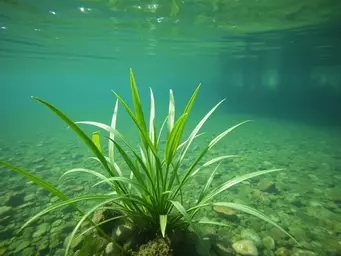
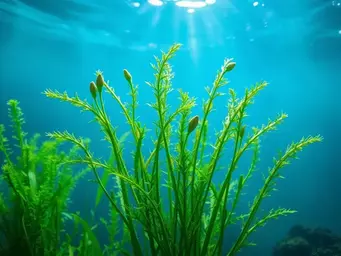
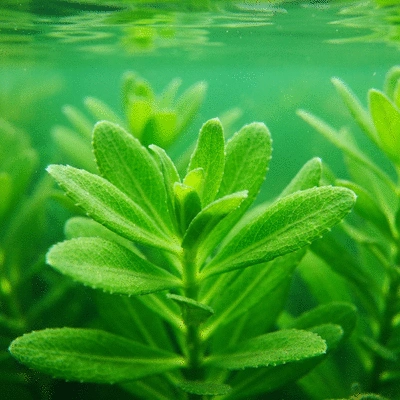
One of the most distinctive features of hydrilla is its leaf arrangement. Leaves are typically in whorls of five to seven along the stem. They are narrow, elongated, and can be up to 1.5 inches long. Additionally, the edges of the leaves may have slight serrations, making them easily distinguishable from other aquatic plants.
When observing hydrilla, look for:
- Leaves that are whorled in groups of five to seven.
- Leaf margins that are slightly serrated.
- Overall color that ranges from bright green to dark green.
Identifying Tubers and Roots
Another critical aspect of identifying hydrilla is examining its tubers and root system. Tubers are small, potato-like structures that form at the base of the plant. They can remain dormant for years, making hydrilla particularly resilient to control efforts, as detailed by the USGS Nonindigenous Aquatic Species Database.
When assessing hydrilla, remember to check for:
- Small, round tubers that may be found buried in the sediment.
- A dense network of roots that anchors the plant to the substrate.
Stem Characteristics: Understanding Growth Patterns
The stem of hydrilla is another telltale sign of its presence. It is typically slender and can grow significantly longer than other aquatic plants, often reaching depths of over 20 feet in clear water. This growth allows hydrilla to spread rapidly and dominate aquatic habitats.
Keep an eye out for these stem features:
- Long, slender stems that may branch out as they grow.
- Stems that can grow both submerged and at the water's surface.
- Presence of air-filled cavities that help the plant float.
Distinguishing Hydrilla from Similar Aquatic Plants
Now that we’ve covered the key identification features of hydrilla, let’s focus on how to differentiate it from similar aquatic plants. This knowledge is vital for avoiding misidentification, which can hinder effective management.
Key Differences Between Hydrilla, Elodea, and Egeria
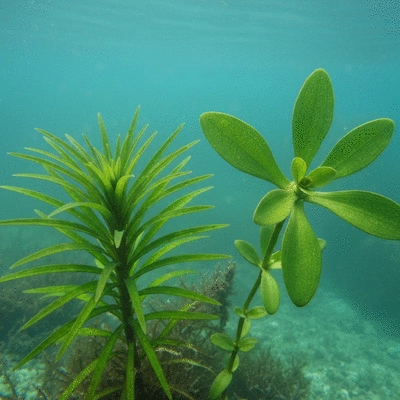
Hydrilla may resemble other aquatic plants like Elodea and Egeria, but there are notable differences that make identification easier. For instance, while both Elodea and Egeria have whorled leaves, their leaf shapes and arrangements differ significantly from those of hydrilla.
Here's a quick comparison:
- Hydrilla: Whorls of 5-7 leaves; serrated edges.
- Elodea: Whorls of 3 leaves; smooth edges.
- Egeria: Broader leaves with a more robust stem.
Comparative Visuals: Hydrilla vs. Elodea
Visual aids can be a powerful tool for educators. I recommend creating comparison charts that illustrate these differences, which can be helpful for students in recognizing these plants in the field.
Consider including:
- Side-by-side images of hydrilla and Elodea.
- Identifying characteristics highlighted for clarity.
- Color-coded labels to differentiate key features.
Common Misidentifications and How to Avoid Them
Misidentifying hydrilla can lead to ineffective management practices. To avoid this, I encourage educators to emphasize the importance of thorough observation and to make use of identification resources. Here are some tips:
- Familiarize yourself with local species that may be confused with hydrilla.
- Use field guides that include detailed images and characteristics.
- Conduct group identification sessions to enhance learning through collaboration.
Pro Tip
Did you know? Engaging your students in hands-on activities, such as creating a herbarium of aquatic plants, can significantly enhance their identification skills. Encourage them to document their findings and compare hydrilla with native species to deepen their understanding of ecosystem dynamics.
Frequently Asked Questions
Q1: What is Hydrilla verticillata?
A1: Hydrilla verticillata is an invasive aquatic plant, native to Africa and Asia, that poses significant threats to native ecosystems due to its rapid growth and ability to form dense mats.
Q2: How fast can hydrilla grow?
A2: Hydrilla can grow remarkably fast, up to a foot per week under favorable environmental conditions.
Q3: What are the key visual identification features of hydrilla?
A3: Key features include leaves arranged in whorls of five to seven along the stem, slightly serrated leaf edges, and the presence of small, potato-like tubers buried in the sediment.
Q4: How can I differentiate hydrilla from similar aquatic plants like Elodea and Egeria?
A4: Hydrilla has whorls of 5-7 leaves with serrated edges, while Elodea typically has whorls of 3 leaves with smooth edges. Egeria has broader leaves and more robust stems, and generally lacks the tubers found in hydrilla.
Q5: Why are tubers important for hydrilla's survival?
A5: Tubers are small, potato-like structures that can remain dormant for years, making hydrilla highly resilient to control efforts and contributing to its widespread propagation.
Q6: How can educators involve students in combating hydrilla spread?
A6: Educators can engage students through citizen science projects, field trips for hands-on identification, documentation of findings, and building partnerships with local conservation groups.
Summary and Next Steps for Educators
As we wrap up our exploration of hydrilla, I hope you feel empowered with key identification strategies and resources. Understanding hydrilla is not just about knowing its physical characteristics; it’s about recognizing its impact on our precious ecosystems. Let’s take a moment to recap the vital identification features we've discussed and the tools available to assist in your teaching journey!
- Whorled leaves: Look for groups of five to seven leaves around the stem.
- Tubers: These are important for hydrilla’s reproduction and growth.
- Stem characteristics: Understanding how hydrilla grows will help you differentiate it from other plants.
Utilizing these features in your classroom will enhance your students' ability to identify hydrilla correctly. Moreover, the resources available through the Hydrilla Conservation Initiative are designed to make this learning process engaging and informative!
Encouraging Student Engagement Through Citizen Science
Citizen science is a fantastic way to engage students in real-world environmental issues! By involving them in the monitoring of hydrilla and other aquatic species, you can spark their interest in environmental stewardship and conservation. Here are a few ways to encourage participation:
- Organize field trips to local waterways for hands-on identification practice.
- Encourage students to document their findings through photography and notes.
- Integrate data collection into science projects to foster critical thinking.
By empowering students to contribute to citizen science, you're not only enhancing their learning experience but also helping them understand their role in preserving our ecosystems.
Building Educational Partnerships for Conservation Efforts
Creating partnerships with local environmental organizations can amplify your educational efforts. These collaborations not only provide additional resources but also help to broaden your students’ perspectives on conservation. Here are a few strategies to consider:
- Reach out to local conservation groups for guest speakers or workshops.
- Develop joint projects that focus on local ecosystems and invasive species management.
- Participate in community events centered around aquatic plant conservation.
These partnerships help students connect with the community and see the bigger picture of environmental conservation, fostering a sense of responsibility and action!
Call to Action: Utilize These Hydrilla Resources in Your Classroom
Downloadable Resources and Further Reading
The time is now to enhance your classroom curriculum with the resources offered by the Hydrilla Conservation Initiative! We provide a variety of downloadable materials, including lesson plans, identification checklists, and video content, all designed to make learning about hydrilla engaging and fun.
- Access our printable field ID checklist to aid in identification.
- Download short annotated videos for quick classroom presentations.
- Explore lesson plans tailored to different grade levels.
These materials are designed to enrich your students’ learning experiences while equipping them with essential knowledge about invasive aquatic species.
Join the Conversation: Share Your Experiences in the Field
Your insights and experiences matter! I invite you to share your journey in identifying hydrilla and engaging your students in conservation efforts. Whether it's a success story or a challenge faced, joining this conversation can help build a community of educators committed to environmental education. You can connect with us through our website or social media channels.
Remember, every action you take in your classroom has the potential to inspire the next generation of environmental stewards. Let's work together to protect our vital waterways!
Recap of Key Points
Here is a quick recap of the important points discussed in the article:
- Identification Features: Look for whorled leaves in groups of five to seven, slightly serrated margins, and a range of green colors.
- Tubers and Roots: Identify small, round tubers and a dense network of roots that anchor the plant.
- Stem Characteristics: Observe long, slender stems that can grow over 20 feet, with air-filled cavities aiding flotation.
- Differentiation: Recognize differences between hydrilla, Elodea, and Egeria to avoid misidentification.
- Engagement Strategies: Involve students in citizen science projects and collaborate with local organizations for enhanced learning experiences.