
What if a single plant species could threaten entire ecosystems and local economies? As we delve into the complexities of hydrilla, understanding its impact is crucial for safeguarding our waterways.
What You Will Learn
- Hydrilla can form dense mats on water surfaces, blocking sunlight and disrupting ecosystems.
- A single fragment of hydrilla can grow into a new plant, allowing rapid spread and competition with native species.
- The presence of hydrilla can lead to reduced biodiversity and negatively impact fish populations and recreational activities.
- Effective strategies for managing hydrilla include utilizing GIS technology and engaging community involvement for data collection.
- Emerging technologies like AI can enhance analysis and mapping of hydrilla infestations for more efficient management.
- Cost-effective solutions, such as integrated pest management, are essential for sustainable hydrilla management.
Key Strategies for Combating Hydrilla
Effective management of hydrilla infestations relies on a multi-faceted approach, combining advanced mapping, ongoing research, and community engagement. The visual below outlines the core pillars for successful hydrilla control.
Mapping & Early Detection
Utilize advanced tech for precise location and monitoring of hydrilla.
- ✓ GIS Technology
- ✓ Remote Sensing
- ✓ Field Surveys
Research & Innovation
Develop new methods and technologies for more effective control.
- ✓ AI & Machine Learning
- ✓ Herbicide Applications
- ✓ Biological Controls
Cost-Effective Solutions
Implement economical methods for sustainable management.
- ✓ Integrated IPM
- ✓ Community Resources
- ✓ Grant Funding
Community Engagement
Foster collaboration and shared responsibility among stakeholders.
- ✓ Local Initiatives
- ✓ Workshops & Training
- ✓ Stakeholder Collaboration
Understanding Hydrilla Infestations and Their Impact
In the realm of aquatic ecosystems, few invasive species pose as significant a threat as hydrilla (Hydrilla verticillata). This plant, native to Africa and Asia, has made its way into North American waterways, creating a complex challenge for environmental conservation. But what exactly makes hydrilla a concern? Understanding its characteristics and proliferation can help us grasp the urgency of addressing this invasive plant.
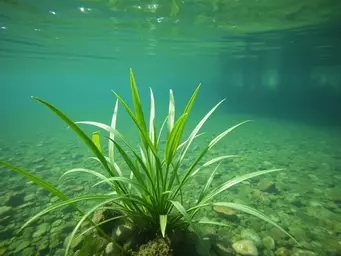
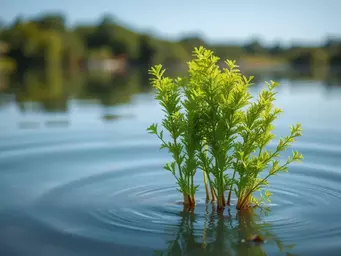
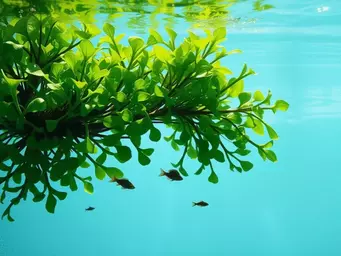
Hydrilla is a resilient, fast-growing aquatic plant that forms dense mats on water surfaces. These mats can block sunlight, disrupt oxygen levels, and choke out native flora, leading to a cascade of ecological consequences. Have you ever observed a lake choked with green foliage? That could very well be hydrilla, claiming its territory and altering the habitat.
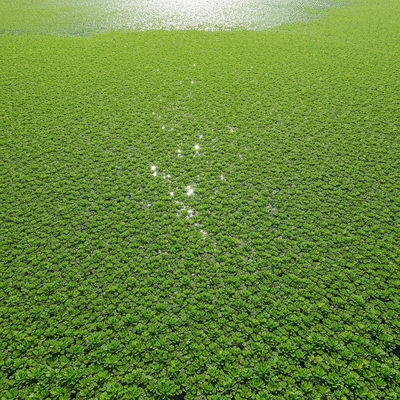
What is Hydrilla (Hydrilla verticillata) and Why is it a Concern?
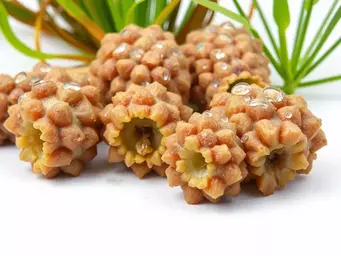
Hydrilla is often mistaken for native vegetation because of its lush appearance and ability to thrive in various water conditions. However, its rapid growth and reproductive strategies make it particularly problematic. For instance, a single fragment can grow into a new plant, allowing hydrilla to spread rapidly. This trait not only threatens biodiversity but also disrupts recreational activities and local economies. The Maryland Department of Natural Resources provides further insights into the plant's invasive nature.
- Forms dense mats that block sunlight
- Competes with native plants
- Adversely impacts fish populations and recreational activities
Hydrilla's growth can lead to decreased water quality, which affects not just wildlife, but also our drinking water sources. As someone who has spent over a decade researching invasive species, I can attest to the importance of understanding these dynamics to foster effective management strategies.
The Ecological and Economic Effects of Hydrilla
The ecological footprint of hydrilla extends far beyond its immediate physical presence. Its invasive nature can lead to significant shifts in local ecosystems, affecting everything from fish populations to recreational boating and fishing. Economically, these changes can burden local municipalities with increased costs for management and restoration efforts.
- Reduced biodiversity in affected ecosystems
- Increased maintenance costs for water bodies
- Negative impacts on tourism and local economies
Communities that rely on clean, accessible waterways may find themselves facing reduced property values and declining tourism, as hydrilla takes over. Understanding these effects is crucial for stakeholders who aim to protect our natural resources while maintaining economic stability.
Understanding Hydrilla as an Invasive Species and Its Impact on Aquatic Ecosystems
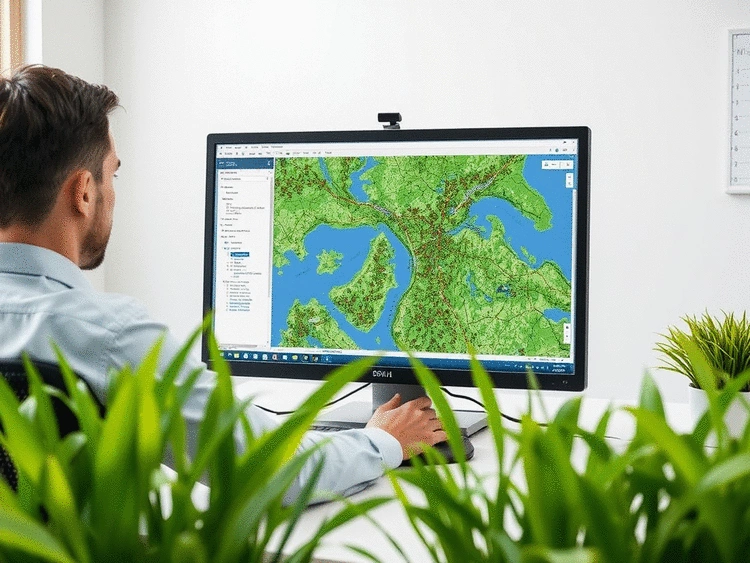
As an invasive species, hydrilla not only alters the physical landscape but also impacts aquatic ecosystems in profound ways. It outcompetes native plants for resources, leading to diminished plant diversity and a less resilient ecosystem. This shift can result in altered food webs, affecting species that depend on native vegetation for habitat and sustenance. For example, GIS mapping data from Idaho illustrates how comprehensive surveys are crucial for identifying and treating hydrilla infestations, thereby preserving ecological balance.
- Displacement of native species
- Altered food webs and ecosystem dynamics
- Potential for increased algae blooms
By grasping the implications of hydrilla infestations, we can better appreciate our role in managing this invasive species. At the Hydrilla Conservation Initiative, we believe that sharing knowledge and resources empowers everyone to take action in protecting our vital waterways. So, what steps will you take to support your local ecosystems?
Pro Tip
When managing hydrilla, consider integrating community efforts into your strategy. Engaging local volunteers not only reduces operational costs but also raises awareness about the impact of invasive species. By fostering a sense of ownership and community involvement, you can enhance the effectiveness of your management initiatives and create a stronger network of support for your local ecosystems.
Frequently Asked Questions About Hydrilla Management
- Q: What is hydrilla and why is it considered an invasive species?
- A: Hydrilla (Hydrilla verticillata) is a fast-growing aquatic plant native to Africa and Asia. It's considered invasive because it forms dense mats on water surfaces, blocking sunlight, disrupting oxygen levels, and outcompeting native plants, which leads to ecological and economic damage.
- Q: How does hydrilla spread so rapidly?
- A: Hydrilla spreads rapidly due to its resilience and reproductive strategies, including the ability for a single plant fragment to grow into a new plant. This allows it to quickly colonize new areas and thrive in various water conditions.
- Q: What are the main ecological impacts of hydrilla infestations?
- A: The main ecological impacts include reduced biodiversity, altered food webs, disruption of oxygen levels, blockage of sunlight for native plants, and potential for increased algae blooms. These changes negatively affect native flora and fauna, including fish populations.
- Q: What are the economic consequences of hydrilla infestations?
- A: Economically, hydrilla infestations can burden local municipalities with increased management and restoration costs. They can also negatively impact tourism, recreational activities (like boating and fishing), and lead to decreased property values in affected areas.
- Q: What are some effective strategies for managing hydrilla?
- A: Effective strategies include precision mapping using GIS technology and remote sensing, field surveys for early detection, research into new herbicide applications and biological controls, integrated pest management (IPM), and significant community engagement and collaboration with stakeholders.
- Q: How can communities get involved in hydrilla monitoring and management?
- A: Communities can get involved by connecting with local environmental organizations, participating in clean-up events, attending workshops and training sessions, and volunteering for data collection efforts. Community involvement helps reduce operational costs and raises awareness.
Summarizing Effective Strategies for Managing Hydrilla
As we wrap up our discussion on hydrilla management, it’s crucial to highlight the key strategies that can make a significant difference in combating this invasive species. When it comes to managing hydrilla, effective mapping is your best ally. By utilizing advanced technologies and methods, we can uncover where hydrilla thrives and take proactive measures against it. Let’s break down the essential takeaways!
Key Takeaways on Mapping Hydrilla Infestations
- Utilize GIS technology for precise and effective mapping of hydrilla locations.
- Incorporate remote sensing data for early detection and monitoring.
- Engage in field surveys to validate mapping results and identify hotspots.
- Leverage community involvement to enhance data collection and awareness.
These strategies not only help in accurately locating hydrilla infestations but also foster collaboration among environmental professionals. By working together, we can create a robust response to this ecological challenge.
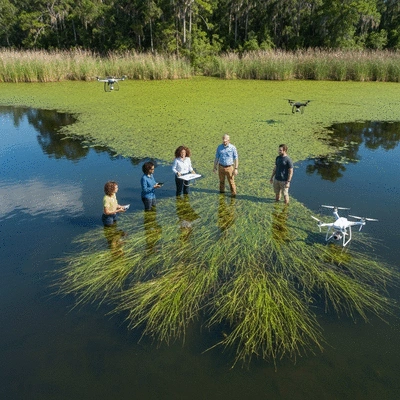
Future Directions for Research and Management
The road ahead in hydrilla management is filled with opportunities for innovation and research. Emerging technologies like AI and machine learning are paving the way for enhanced analysis of hydrilla data. Future research should focus on:
- Developing more efficient mapping techniques.
- Exploring new herbicide applications that minimize environmental impact.
- Assessing the effectiveness of biological control methods.
- Expanding community education and involvement initiatives.
It’s vital for us to stay informed and adaptive as we face the ongoing challenge posed by hydrilla. I encourage you to remain engaged and share any insights gained through your own research and experiences!
Importance of Cost-effective Solutions in Hydrilla Management
As stewards of our aquatic ecosystems, we must prioritize cost-effective solutions when managing hydrilla. Here are a few strategies to consider:
- Implementing integrated pest management approaches that combine various methods for maximum efficacy.
- Utilizing community resources and volunteers to reduce operational costs in mapping and monitoring.
- Taking advantage of grants and funding opportunities aimed at invasive species management.
By focusing on economically viable methods, we not only protect our waterways but also ensure that conservation efforts remain sustainable. Every action counts, and together we can make a lasting impact!
Engaging with the Community and Next Steps
Now that we’ve discussed effective strategies for managing hydrilla, let’s explore how we can engage with our communities to amplify our efforts. Community involvement is essential in building a network of support and knowledge.
How to Get Involved in Local Hydrilla Monitoring Efforts
Joining local initiatives is a fantastic way to contribute to hydrilla management. Here are some steps to get started:
- Connect with local environmental organizations focused on invasive species.
- Participate in community clean-up events aimed at preventing hydrilla spread.
- Attend workshops and training sessions to enhance your knowledge and skills.
Every step we take together can lead to a stronger, more informed community dedicated to protecting our waters!
Resources for Further Learning and Practical Applications
For those eager to deepen their understanding of hydrilla management, numerous resources are available. Consider exploring:
- The Hydrilla Conservation Initiative's comprehensive guides and tutorials.
- Online forums and webinars that discuss recent findings and management techniques.
- Books and publications on aquatic invasive species and their management.
Utilizing these resources not only enhances personal knowledge but also empowers you to share valuable information within your community.
Stakeholder Engagement in Hydrilla Management Initiatives
Lastly, engaging stakeholders is critical in creating a unified front against hydrilla. By fostering collaboration among:
- Local government agencies
- Environmental nonprofits
- Community members
we can develop a comprehensive approach to managing hydrilla that is inclusive and effective. Let’s work together to safeguard our ecosystems for future generations!
Recap of Key Points
Here is a quick recap of the important points discussed in the article:
- Hydrilla is a fast-growing invasive plant that disrupts aquatic ecosystems by forming dense mats that block sunlight.
- Its rapid reproduction can lead to decreased biodiversity and adverse effects on local economies through increased management costs.
- Effective mapping and community involvement are crucial in managing hydrilla infestations and mitigating their impact.
- Innovative technologies, such as AI and GIS, play a significant role in improving detection and management strategies.
- Engaging with local communities and stakeholders is essential for successful hydrilla management efforts and conservation initiatives.