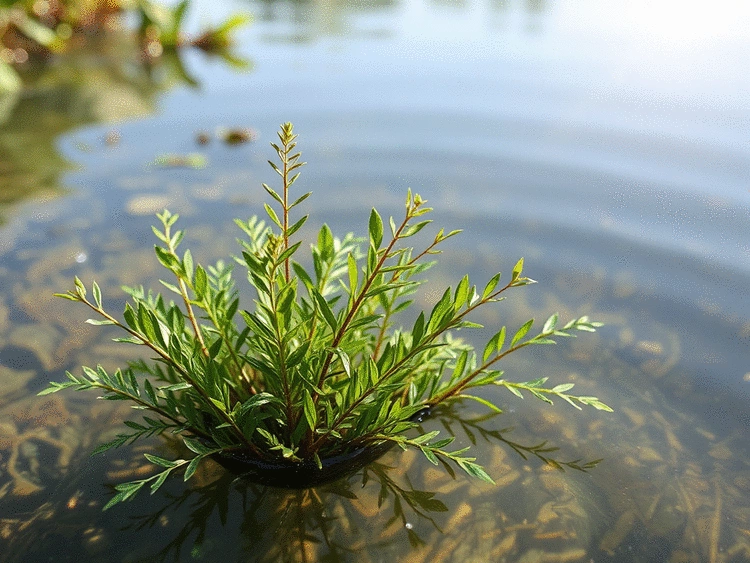

What if a single plant could alter the course of an entire ecosystem? Understanding hydrilla's impact is essential for environmental professionals as they work to protect our waterways.
What You Will Learn
- Timely identification of hydrilla is crucial for effective management and ecological preservation.
- Key characteristics of hydrilla include whorled leaves, serrated edges, and tubers, aiding in accurate identification.
- Advanced techniques, like PCR and drone imagery, enhance the precision of hydrilla detection.
- Engaging with community initiatives fosters collaboration and improves hydrilla management efforts.
- Understanding hydrilla's ecological effects helps prioritize management strategies to restore native habitats.
Hydrilla Identification Techniques Overview
This visual summarizes the key techniques environmental professionals use for Hydrilla identification, categorized into Visual, Molecular, and Remote Sensing methods.
Visual Identification
- ✓ Whorled leaves (5-7 per node)
- ✓ Serrated leaf edges
- ✓ Tubers & turions presence
- ✓ Distinguishing from lookalikes
Molecular Techniques
- ● PCR for biotype identification
- ● Advanced genetic sequencing
- ● Insights into origin & invasiveness
Remote Sensing & Technology
- ★ Drone imagery for early detection
- ★ GIS mapping for spread tracking
- ★ Satellite imagery for monitoring
Importance & Impact
- ⚠ Chokes native species
- ⚠ Reduces biodiversity
- ⚠ Impacts water quality & recreation
- ✔ Early detection for targeted management
Understanding the Importance of Hydrilla Identification for Environmental Professionals
As environmental professionals, recognizing hydrilla is crucial for the health of our ecosystems. This invasive aquatic plant poses a significant threat to waterways and wetlands, often outcompeting native species for resources. But why is accurate identification so important? It allows us to take timely action to protect our aquatic environments and promote sustainable management practices.
Have you ever spotted hydrilla in your local waterway? If so, you know that its presence can signal a shift in the ecological balance. Understanding the characteristics of hydrilla is the first step toward mitigating its impact. Let’s explore what makes this plant unique and how we can identify it effectively.
Recognizing Invasive Hydrilla and Its Environmental Impact
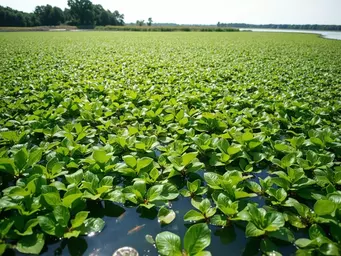
Hydrilla is not just another plant; it can transform entire ecosystems. Its rapid growth can choke waterways, block sunlight, and deplete oxygen levels, leading to detrimental effects on fish and other wildlife. As professionals, we must recognize its presence and understand the resulting ecological shifts.
- Chokes native plant species
- Reduces biodiversity
- Impacts recreational activities
- Affects water quality and oxygen levels
By identifying hydrilla early, we can implement management strategies that prevent its spread and protect our valuable resources. Consider this: every hydrilla we manage helps restore harmony in our aquatic environments. What role will you play in this critical effort?
Key Characteristics of Hydrilla: What to Look For
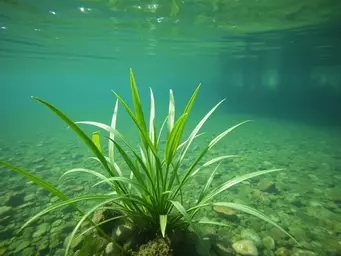
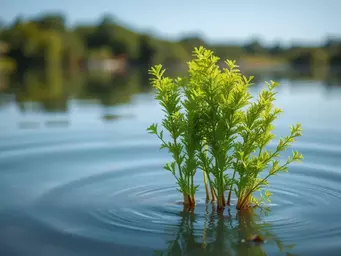
When it comes to identifying hydrilla, there are several key traits to keep in mind. Look for its distinctive whorled leaves, typically arranged in clusters of five to seven around the stem. Additionally, the leaves have serrated edges, a feature that can help you distinguish it from native plants, as detailed by King County's Department of Natural Resources and Parks. This characteristic makes them easy to spot.
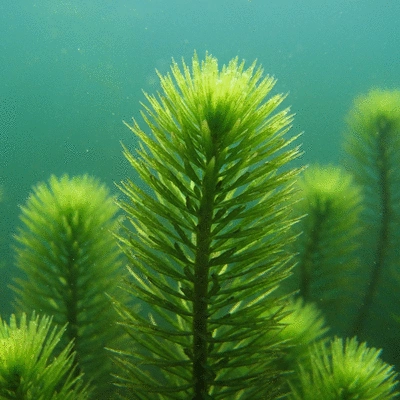
- Whorled leaves: 5 to 7 per node
- Serrated leaf edges
- Stem can grow up to 25 feet long
- Presence of tubers and turions at the base
Recognizing these features can significantly enhance your ability to manage hydrilla effectively. Don’t forget to consider the surrounding habitat as well! Understanding the context of hydrilla's growth can provide valuable insights into its impact on local ecosystems.
Advanced Techniques for Hydrilla Identification
As we delve deeper into hydrilla identification, it’s essential to leverage advanced techniques. These methods can enhance accuracy and efficiency in spotting this invasive plant. Let's explore some cutting-edge approaches that environmental professionals can adopt.
Visual Identification: Distinguishing Hydrilla from Lookalikes
Visual identification remains a fundamental technique, but it requires a keen eye for detail. Knowing the specific traits of hydrilla can help you differentiate it from native aquatic plants that may appear similar, as explained by resources like Cornell Cooperative Extension Tompkins County.
Identifying Whorls of Leaves and Serrated Edges
As mentioned earlier, the whorled leaves are a hallmark trait of hydrilla. Pay special attention to the serrated edges; these can distinguish it from other aquatic plants that might have smoother foliage. This visual cue is vital in your identification process!
Recognizing Tubers and Turions for Accurate Identification
Tubers and turions are critical indicators of hydrilla's presence. Tubers are small, potato-like structures that serve as a means of vegetative reproduction, while turions are modified shoots that can sink and grow into new plants. By familiarizing yourself with these characteristics, you can become more adept at identifying hydrilla.
Molecular Techniques for Professional Identification
For professionals looking to refine their identification skills, molecular techniques are invaluable. These methods can provide a level of precision that visual identification may not always achieve.
Utilizing PCR for Biotype Identification
Polymerase Chain Reaction (PCR) is a powerful tool for identifying specific hydrilla biotypes. By analyzing genetic material, we can gain insights into the plant's origin and potential invasiveness, enabling us to tailor management strategies more effectively. For further reading on this, you can refer to publications such as the one from the University of Wisconsin-Stevens Point.
Advanced Genetic Sequencing Workflows for Hydrilla
Similarly, advanced genetic sequencing workflows allow us to understand the genetic diversity within hydrilla populations. This knowledge is crucial for developing targeted control measures that address the unique challenges posed by different hydrilla strains.
Remote Sensing and Technology in Hydrilla Detection
The advent of technology has opened new avenues for hydrilla detection. Remote sensing techniques are helping professionals monitor hydrilla spread with greater efficiency and accuracy.
Leveraging Drone Imagery for Early Detection
Drones equipped with high-resolution cameras can capture aerial imagery of water bodies, enabling early detection of hydrilla infestations. This proactive approach can be a game changer in our efforts to manage this invasive species!
GIS Mapping: Tracking Hydrilla Spread Effectively
Geographic Information System (GIS) mapping provides a visual representation of hydrilla spread over time. By analyzing spatial data, we can make informed decisions about management practices and prioritize treatment areas.
Utilizing Satellite Imagery for Comprehensive Monitoring
Satellite imagery offers a broad view of aquatic ecosystems, allowing us to track hydrilla distribution on a larger scale. This comprehensive monitoring tool is invaluable for understanding the long-term trends in hydrilla populations and their impacts.
Practical Applications of Hydrilla Identification Techniques
Now that we have explored identification techniques, it’s essential to apply this knowledge in practical scenarios. Effective hydrilla management hinges on integrating identification with control strategies.
Pro Tip
Did you know? Regularly monitoring local waterways for hydrilla not only helps in early detection but also fosters community involvement. Consider hosting or participating in community clean-up days where residents can learn about hydrilla identification and its impact on local ecosystems. This collective effort can lead to more eyes on the water and a stronger network for managing this invasive species.
Frequently Asked Questions About Hydrilla Identification and Management
What is hydrilla and why is it a concern for environmental professionals?
Hydrilla is an invasive aquatic plant that poses a significant threat to waterways and wetlands. It outcompetes native species, chokes waterways, blocks sunlight, and depletes oxygen levels, leading to detrimental effects on fish and other wildlife. Accurate identification is crucial for timely management and ecological preservation.
What are the key visual characteristics to identify hydrilla?
Key characteristics include whorled leaves (typically 5 to 7 per node) and serrated leaf edges. Additionally, the presence of tubers (small, potato-like structures for vegetative reproduction) and turions (modified shoots that can grow into new plants) at the base are strong indicators.
How do molecular techniques aid in hydrilla identification?
Molecular techniques like Polymerase Chain Reaction (PCR) and advanced genetic sequencing allow for precise biotype identification and understanding of genetic diversity within hydrilla populations. This helps in tailoring more effective and targeted management strategies based on the plant's origin and invasiveness.
What role does remote sensing play in detecting hydrilla?
Remote sensing technologies, including drone imagery, GIS mapping, and satellite imagery, enable efficient and accurate detection and monitoring of hydrilla infestations over large areas. This helps in early detection, tracking spread, and making informed decisions for management.
Why is community engagement important for hydrilla management?
Community engagement, public awareness, and education programs are vital for fostering sustainable practices. They empower individuals to recognize hydrilla, report sightings, and participate in management efforts, creating a stronger network for controlling this invasive species and protecting local ecosystems.
Summary of Key Takeaways for Effective Hydrilla Management
As we dive deeper into the complexities of hydrilla management, it becomes clear that early detection and accurate identification are crucial for combating this invasive species effectively. Environmental professionals must prioritize recognizing hydrilla in its early stages of growth, which can significantly reduce its spread and the associated ecological impact. Have you considered how your local ecosystem might shift if hydrilla is not managed promptly?
- Timely identification allows for a more targeted approach to management.
- Understanding the life cycle of hydrilla helps in predicting its growth patterns.
- Implementing combined management strategies can enhance effectiveness.
By staying informed and utilizing the latest techniques, we can empower ourselves as stewards of our waterways. As someone passionate about environmental conservation, I encourage you to reflect on these takeaways and their potential application in your own practices.
Importance of Early Detection and Identification
Early detection of hydrilla is vital for mitigating its impact on local ecosystems. The sooner we can spot this invasive plant, the sooner we can act. Monitoring local waterways regularly not only helps in identifying hydrilla but also supports the health of our aquatic environments.
- Use visual identification techniques to spot hydrilla in various stages.
- Stay updated on local reports regarding hydrilla sightings.
- Engage with community science initiatives to improve detection efforts.
Remember, we all play a role in safeguarding our precious ecosystems. By collaborating and sharing our findings, we can create a more effective network for early detection and management.
Future Trends in Hydrilla Identification Techniques
The future of hydrilla identification is promising, with advancements in technology paving the way for more efficient and accurate methods. I believe that integrating these innovations will greatly enhance our ability to manage hydrilla effectively.
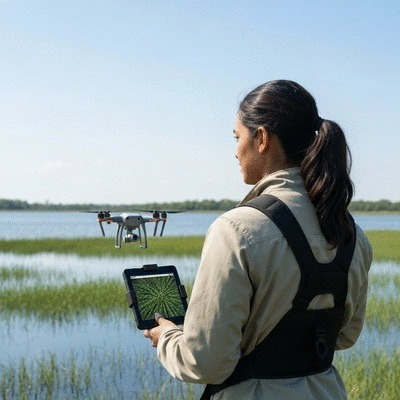
- Increased use of molecular techniques for precise identification.
- Remote sensing technologies like drones and satellite imagery for large-scale monitoring.
- Collaboration with tech companies to develop user-friendly tools for professionals.
As we embrace these trends, we can look forward to a more proactive approach in tackling the invasive species that threaten our waterways.
Role of Aquatic Ecosystems in Biodiversity and Water Quality
Our aquatic ecosystems are not just beautiful; they are essential for biodiversity and maintaining water quality. Understanding the intricate relationships within these systems helps us appreciate the importance of controlling invasive species like hydrilla.
- Healthy ecosystems support diverse plant and animal life.
- Water quality influences overall ecosystem health and recreational opportunities.
- Invasive species disrupt these relationships, highlighting the need for management.
By focusing on protecting our aquatic ecosystems, we can ensure that future generations will enjoy clean waterways and thriving wildlife.
Engaging with the Community for Enhanced Hydrilla Control
Incorporating Feedback from Environmental Professionals
Engagement with our community is a cornerstone of effective hydrilla management. Your insights as environmental professionals are invaluable, and I encourage open dialogue around best practices and innovative solutions. Together, we can refine our strategies to address hydrilla more effectively.
- Share your experiences with hydrilla management in community forums.
- Attend workshops and conferences to exchange knowledge.
- Participate in surveys to guide future research and strategies.
Every voice matters, and your unique experiences can inspire others to take action in their own communities.
Public Awareness and Education Programs for Sustainable Practices
Raising public awareness about the challenges posed by hydrilla is crucial for fostering a culture of sustainability. Educational programs can empower individuals and communities to recognize the signs of hydrilla and understand how to respond effectively.
- Develop outreach initiatives to educate the public on hydrilla impacts.
- Utilize social media for awareness campaigns and sharing success stories.
- Encourage local schools to include aquatic ecology in their curricula.
Let’s work together to create a well-informed community that actively participates in the conservation of our waterways!
Call to Action: Join Our Network for Ongoing Support and Resources
Are you ready to take your involvement a step further? I invite you to join the Hydrilla Conservation Initiative network, where you can access ongoing support, resources, and a community of like-minded individuals dedicated to managing hydrilla effectively.
- Subscribe to our newsletter for updates on best practices and tools.
- Participate in webinars and training sessions tailored for professionals.
- Connect with fellow conservationists through our online forums.
Let’s unite our efforts to protect our vital waterways. Together, we can make a significant impact on the management of hydrilla and other invasive species!
Recap of Key Points
Here is a quick recap of the important points discussed in the article:
- Early identification of hydrilla is crucial for effective management and protection of aquatic ecosystems.
- Key characteristics of hydrilla include whorled leaves, serrated edges, and the presence of tubers and turions.
- Utilizing advanced techniques such as molecular identification, remote sensing, and drone imagery can enhance detection efforts.
- Community engagement and public awareness initiatives are essential for fostering sustainable practices against hydrilla.
- Combining different management strategies can significantly improve the effectiveness of hydrilla control.