
Invasive species can dramatically alter aquatic ecosystems, and hydrilla is one of the most notorious offenders. By understanding its characteristics and management strategies, we can protect our waterways from its devastating effects. Are you ready to take action and safeguard your local environment?
What You Will Learn
- Reproductive Capacity: Hydrilla can reproduce from fragments, tubers, and turions, leading to rapid population growth.
- Environmental Adaptability: This invasive plant thrives in diverse water conditions and can tolerate low light, making it difficult to control.
- Importance of Monitoring: Regular assessments can help catch hydrilla infestations early, preventing larger ecological impacts.
- Integrated Management Strategies: Combining mechanical, chemical, and biological controls is essential for effective hydrilla management.
- Community Engagement: Involving local communities fosters stewardship and collective action against hydrilla.
- Impact on Oxygen Levels: Hydrilla growth can lead to reduced oxygen levels, harming fish and aquatic life.
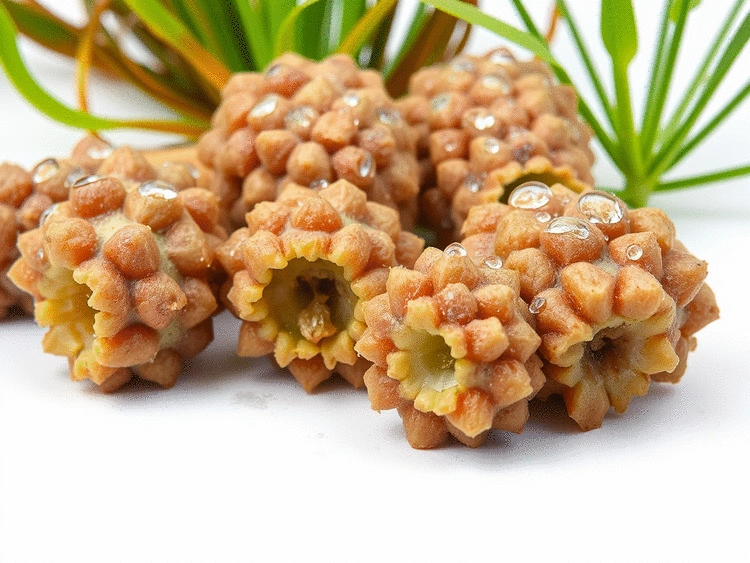
- Identification of Tubers and Turions: Recognizing these structures is crucial for understanding hydrilla's lifecycle and planning management strategies.
Key Aspects of Hydrilla Management
Effective management of hydrilla involves understanding its invasive characteristics, environmental impact, and crucial reproductive structures. This visual highlights these key areas that guide conservation efforts.
Understanding Hydrilla: A Threat to Aquatic Ecosystems
In the heart of our water bodies lies a persistent threat: hydrilla. This invasive aquatic plant can quickly dominate waterways, transforming them from vibrant ecosystems into dense monocultures. Understanding hydrilla is crucial for anyone concerned about the health of our aquatic environments. But what exactly makes this plant so invasive?
What is Hydrilla and Why is it Invasive?
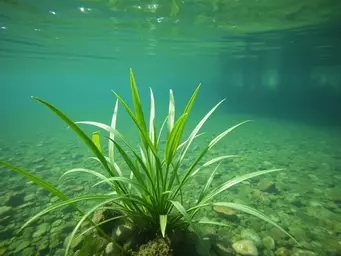
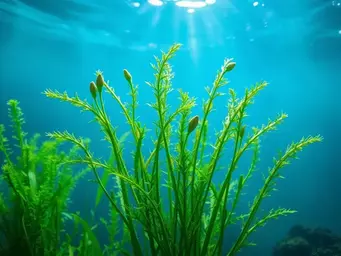
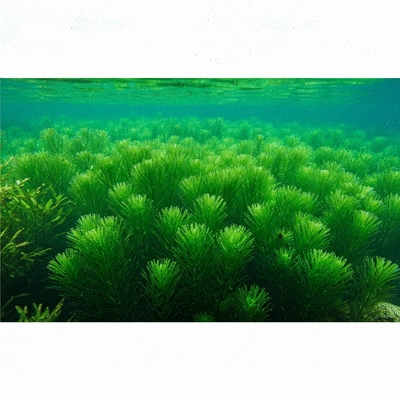
Hydrilla verticillata, commonly known as hydrilla, is a submerged aquatic plant that thrives in freshwater environments. Its rapid growth and ability to reproduce through multiple methods make it particularly menacing. Have you ever encountered it while boating or swimming? Its lush foliage may be deceiving, masking the ecological havoc it wreaks.
- Reproductive capacity: Hydrilla can grow from fragments, tubers, and turions, allowing it to spread exponentially.
- Adaptability: This plant can flourish in various water conditions and tolerate low light levels.
- Competition: Hydrilla outcompetes native species for nutrients and sunlight, ultimately leading to diminished biodiversity.
By understanding the characteristics of hydrilla, we can better appreciate why effective management is essential. Without proactive measures, the natural balance of our waterways could be at risk!
The Importance of Effective Hydrilla Management
Effective management of hydrilla is vital for protecting our precious aquatic ecosystems. Without intervention, this invasive species can cause dire consequences for local flora and fauna. But what does effective management entail? Let's explore!
- Monitoring: Regular assessment of water bodies to identify hydrilla presence early can prevent large infestations.
- Integrated management strategies: Combining mechanical, chemical, and biological controls can target hydrilla effectively, as detailed in resources like the Aquatic Plant Management Society's best management practices.
- Community engagement: Involving local communities in management efforts fosters a sense of stewardship and responsibility.
As part of the Hydrilla Conservation Initiative, I encourage all environmental professionals and educators to embrace these strategies. Together, we can create a healthier ecosystem!
Environmental Impact of Hydrilla on Aquatic Ecosystems
Hydrilla's impact on aquatic systems extends beyond mere aesthetics. It disrupts vital ecological functions and can lead to significant negative outcomes. Have you noticed changes in your local waterway due to invasive species? It’s essential to connect these dots!
- Reduced oxygen levels: As hydrilla grows, it consumes oxygen during decomposition, harming fish and other aquatic life.
- Altered habitats: The dense growth of hydrilla can choke out native plants, disrupting habitats for various organisms.
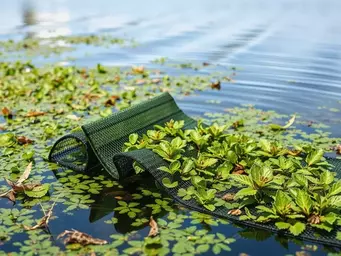
- Impeded water flow: Dense mats of hydrilla can impede water movement, affecting navigation and water quality.
Each of these impacts highlights the urgent need for effective management practices. We must act now to protect our ecosystems from the invasive grip of hydrilla!
How Invasive Species Disrupt Ecosystem Health
Invasive species like hydrilla can dramatically alter the health of ecosystems. By outcompeting native species for resources, they undermine the balance necessary for biodiversity. Imagine a garden where one plant dominates the soil, leaving little room for others to thrive—this is what hydrilla does to our waterways!
Understanding these dynamics not only informs management practices but also helps us advocate for stronger conservation efforts. Together, we can foster an environment where native species flourish and ecosystems remain healthy. So, what's your role in this fight against hydrilla?
We Want to Hear From You!
Have you encountered hydrilla in your local waterways? We’d love to know your thoughts and experiences regarding this invasive species. Share your insights below:
Frequently Asked Questions About Hydrilla Management
What makes hydrilla an invasive species?
Hydrilla is invasive due to its rapid growth rate, ability to reproduce through multiple methods (fragments, tubers, turions), and its adaptability to various water conditions and low light levels. It outcompetes native aquatic plants, leading to diminished biodiversity.
What are the main environmental impacts of hydrilla?
Hydrilla significantly reduces oxygen levels in water bodies as it decomposes, harming fish and other aquatic life. It also chokes out native plants, alters habitats, and impedes water flow, affecting navigation and water quality.
How can hydrilla be effectively managed?
Effective management involves regular monitoring to detect infestations early, integrated strategies combining mechanical, chemical, and biological controls, and community engagement to foster stewardship. Understanding its reproductive structures (tubers and turions) is crucial for targeted control.
What are tubers and turions, and why are they important in hydrilla management?
Tubers are underground storage organs that allow hydrilla to remain dormant for years, contributing to its resilience. Turions are specialized buds that enable rapid proliferation. Both are vital to the plant's survival and spread, making their identification and understanding key to successful management and control strategies.
Where can I find more resources for hydrilla identification and management?
Educational resources such as illustrated identification tools, comprehensive management tutorials, and policy updates are available from organizations like the Hydrilla Conservation Initiative and local environmental groups. Engaging with local resources and community meetings can also provide valuable support and information.
Summarizing Key Points for Effective Hydrilla Management
As we navigate the complexities of managing hydrilla, it's crucial to have a clear understanding of its reproductive structures: tubers and turions. These components play a significant role in the plant's persistence and spread, making them essential focal points in any management strategy.
To effectively address the challenges posed by hydrilla, here are a few key reminders:
- Tubers are the underground storage organs that can remain dormant for years, contributing to hydrilla's resilience.
- Turions are specialized buds that can form in leaf axils, allowing hydrilla to proliferate rapidly under favorable conditions.
- Understanding the lifecycle and behavior of these structures is vital for effective management and control.
These insights can significantly enhance our approach to managing hydrilla, empowering you to take informed actions that support ecosystem health.
Reviewing Tubers and Turions: What to Remember
When dealing with hydrilla, remember that both tubers and turions are integral to its survival strategy. Identifying these structures will aid in developing a comprehensive management plan. For instance, knowing the conditions under which turions form can help you anticipate hydrilla's growth patterns and potential spread.
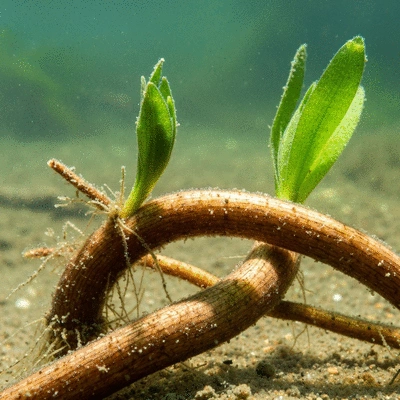
Here’s a quick recap of their characteristics:
- Tubers: Small, round, and can vary in color; typically found beneath the sediment.
- Turions: More elongated and can be green or brown; located in leaf axils, ready to sprout.
By keeping these points in mind, you can approach hydrilla management with greater efficacy and confidence!
Importance of Local Case Studies and Emerging Methods
As the Hydrilla Conservation Initiative strives to support environmental professionals and educators, local case studies provide invaluable insights into effective management practices. By sharing experiences, we can all learn about the successes and challenges faced in different regions.
Emerging methods, such as integrated pest management strategies and innovative control techniques, also play a pivotal role. For example, the Tennessee Invasive Plant Council provides insights into specific control methods. Here’s why staying informed matters:
- Local case studies can reveal which methods are yielding the best results in your area.
- Emerging technologies and techniques can enhance traditional approaches, improving overall management outcomes.
- Engaging with the community fosters collaboration, ensuring we all work towards the common goal of protecting our waterways.
These shared insights not only enhance individual efforts but also contribute to a collective approach to combatting hydrilla.
Your Next Steps in Hydrilla Management
Now that we’ve reviewed the key points for effective hydrilla management, it’s time to consider your next steps! Utilizing the right tools and resources can make all the difference.
Utilizing Visual Aids and Checklists for Identification
Visual aids, such as identification guides and checklists, can simplify the process of recognizing hydrilla and its reproductive structures. At the Hydrilla Conservation Initiative, we provide detailed illustrations that highlight the distinct features of tubers and turions.
Here are some practical tips for using these aids effectively:
- Keep a checklist handy when surveying your local waterways to ensure you cover all bases.
- Use illustrated guides to compare findings in real-time, enhancing identification accuracy.
- Document your observations to track hydrilla's spread and inform management decisions.
By actively using these tools, you will be better equipped to identify hydrilla and take proactive measures!
Engaging with Local Resources for Support and Information
Connecting with local resources is crucial in your fight against hydrilla. Local environmental organizations and professionals can offer support, share valuable insights, and provide access to educational materials.
- Attend community meetings to stay updated on local initiatives and management efforts.
- Network with fellow environmentalists to exchange experiences and strategies.
- Leverage local extensions or conservation groups for technical assistance and resources.
By engaging with local resources, you strengthen your support system and enhance your management capabilities!
Educational Resources for Hydrilla Identification and Management
As you continue your journey in managing hydrilla, don’t forget the wealth of educational resources available. At the Hydrilla Conservation Initiative, we’re committed to providing ongoing support through comprehensive tutorials, webinars, and informative articles.
Consider exploring the following resources:
- Illustrated identification tools that detail hydrilla’s characteristics.
- Comprehensive management tutorials that discuss various control techniques.
- Policy updates that keep you informed about local regulations and initiatives.
These resources can empower you to take actionable steps in your hydrilla management efforts, ensuring that our waterways remain healthy and vibrant!
Recap of Key Points
Here is a quick recap of the important points discussed in the article:
- Understanding Hydrilla: An invasive aquatic plant that thrives in freshwater, hydrilla can rapidly dominate waterways, threatening local biodiversity.
- Effective Management: Regular monitoring, integrated management strategies, and community engagement are essential for controlling hydrilla infestations.
- Environmental Impact: Hydrilla disrupts oxygen levels, alters habitats, and impedes water flow, leading to significant ecological consequences.
- Tubers and Turions: Recognizing these reproductive structures is crucial for effective management, as they contribute to hydrilla's resilience and rapid spread.
- Utilizing Resources: Engaging with local organizations and utilizing educational tools can enhance your capacity to manage hydrilla effectively.