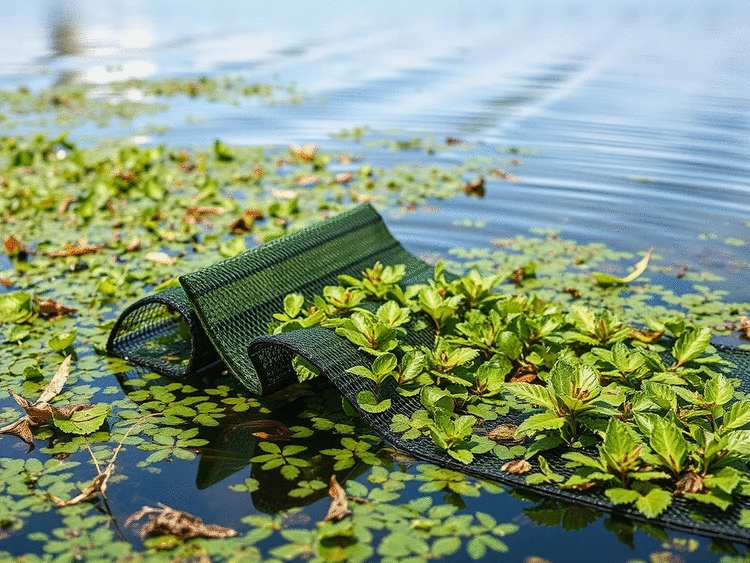

As invasive aquatic species continue to threaten our ecosystems, innovative solutions like benthic barriers offer hope for effective management. But how do these barriers truly function, and what should we keep in mind when implementing them? Dive into the details of hydrilla management and discover actionable insights for environmental stewardship.
What You Will Learn
- Benthic barriers are effective in suppressing hydrilla growth by blocking sunlight essential for photosynthesis.
- Choosing the right type of barrier—fabric, plastic, or biodegradable—can significantly impact management outcomes.
- Environmental considerations are crucial; barriers may affect non-target species and overall water quality.
- Integrating benthic barriers with other management strategies enhances overall effectiveness against hydrilla.
Benthic Barrier Material Comparison and Decision Framework
An overview of materials used in benthic barriers for hydrilla management, their benefits and limitations, and a decision framework for effective implementation.
Benthic Barrier Material Comparison
Plastic Barriers
- Durable, affordable
- Long-lasting pollution risk
Fiberglass Barriers
- Strong, chemical resistant
- Higher cost
Biodegradable Barriers
- Environmentally friendly
- Shorter lifespan
Decision Framework for Management Solutions
Assess Infestation & Waterbody
Determine severity, distribution, and ecological context (flow, depth, species).
Consider Resources & Experts
Account for budget, manpower, technology, and consult with aquatic managers.
The Functionality of Benthic Barriers in Hydrilla Management
Benthic barriers have emerged as a critical tool in the ongoing battle against hydrilla, an invasive aquatic plant that wreaks havoc on our waterways. But what exactly are these barriers, and why are they so effective? Understanding their functionality is essential for anyone involved in environmental management. Let's explore the ins and outs of benthic barriers and how they serve to control hydrilla.

Understanding Benthic Barriers and Their Purpose
Definition and Types of Benthic Barriers
Benthic barriers are essentially physical barriers placed on the bottom of water bodies to block sunlight and limit the growth of aquatic plants like hydrilla. There are several types of benthic barriers, including:
- Fabric barriers: Often made from geotextile materials, these allow water to pass through while blocking sunlight.
- Plastic sheets: These are commonly used due to their durability and effectiveness in preventing light penetration.
- Biodegradable options: Newer technologies feature biodegradable materials, which decompose over time, providing a more environmentally friendly solution.
By choosing the right type of barrier, we can effectively tailor our approach to hydrilla management based on specific environmental conditions.
How Benthic Barriers Function to Control Hydrilla
The primary function of benthic barriers is to suppress hydrilla growth by blocking sunlight, which is essential for photosynthesis. Additionally, these barriers can help:
- Reduce nutrient availability in the sediment layer
- Prevent the establishment of new hydrilla infestations
- Create a controlled environment that favors native aquatic species
By creating a shaded environment, benthic barriers effectively discourage hydrilla's ability to proliferate, making them a vital asset in our management toolkit.
Materials Used in Benthic Barriers
Plastic, Fiberglass, and Biodegradable Options
When it comes to materials, the choice of benthic barrier can significantly influence its effectiveness. Common materials include:
- Plastic: Known for its durability and resistance to water, plastic barriers are often the go-to choice for many projects.
- Fiberglass: This material offers a robust alternative, providing both strength and resistance to corrosion.
- Biodegradable materials: These options are gaining popularity as they minimize long-term ecological impact, breaking down naturally after their purpose is served.
Each material has its own set of advantages and limitations, which can affect project outcomes and sustainability.
Comparative Benefits and Limitations of Different Materials
Choosing the right material for your benthic barrier involves weighing various factors. Here's a quick comparison:
| Material | Benefits | Limitations |
|---|---|---|
| Plastic | Durable, affordable | Long-lasting pollution risk |
| Fiberglass | Strong, resistant to chemicals | Higher cost |
| Biodegradable | Environmentally friendly | Shorter lifespan |
As a practitioner in the field of aquatic biology, I’ve seen firsthand the importance of selecting the right materials for effective management. Each project will have unique needs, so understanding these trade-offs is vital for successful hydrilla control.
Pro Tip
When implementing benthic barriers, consider conducting a pilot project first. This allows you to assess the effectiveness and ecological impact in a controlled setting before scaling up your efforts. Engaging local stakeholders during this phase can also foster community support and ensure sustainable practices.
Frequently Asked Questions About Benthic Barriers and Hydrilla Management
Here are some common questions regarding the use of benthic barriers for hydrilla control:
- What are benthic barriers?
Benthic barriers are physical covers placed on the bottom of water bodies to block sunlight and prevent the growth of aquatic plants like hydrilla. - How do benthic barriers control hydrilla?
They primarily work by blocking sunlight, which is essential for hydrilla's photosynthesis. This suppression inhibits growth and can help reduce nutrient availability in the sediment. - What types of materials are used for benthic barriers?
Common materials include fabric (geotextile), plastic sheets, and newer biodegradable options. Each has different benefits regarding durability, cost, and environmental impact. - Are there environmental concerns with using benthic barriers?
Yes, while effective, it's crucial to consider their potential impact on non-target species and overall water quality. Thorough assessment and appropriate material selection are key to minimizing disruption. - Can benthic barriers be used alone for hydrilla management?
While effective, benthic barriers often work best when integrated with other management strategies, such as nutrient management and mechanical removal, for comprehensive control.
Summarizing the Role of Physical Barriers in Hydrilla Control
As we wrap up our discussion on the functionality of benthic barriers in managing hydrilla, it's essential to highlight the important balance between effective control measures and environmental responsibility. By understanding how these barriers work and their impact on aquatic ecosystems, we can make informed choices that align with our conservation goals. For instance, the U.S. Army Corps of Engineers provides valuable insights into environmental assessments for such projects, emphasizing careful planning. In my experience with the Hydrilla Conservation Initiative, I've seen firsthand how crucial it is to consider both the benefits and limitations of these methods.
Here are some key takeaways to remember about benthic barriers:
- Effectiveness and Context: Benthic barriers can significantly reduce hydrilla growth when used in the right conditions.
- Environmental Considerations: Always evaluate the ecological implications before implementation.
- Complementary Approaches: Benthic barriers work best when integrated with other management strategies.
Key Takeaways on Benthic Barriers
When considering the implementation of benthic barriers, it's vital to focus on balancing effectiveness with environmental responsibility. For example, while these barriers can suppress hydrilla growth, it’s important to monitor their effects on non-target species and overall water quality. Engaging with stakeholders and experts can help ensure that decisions made are sustainable and beneficial for the ecosystem. Research published in the National Library of Medicine highlights the environmental impacts of hydrilla and various control methods, reinforcing the need for comprehensive approaches.

Balancing Effectiveness with Environmental Responsibility
One of the primary concerns with any physical barrier is its potential impact on aquatic life. Benthic barriers can create shaded areas that affect photosynthesis in submerged plants. Therefore, I recommend conducting thorough assessments and selecting appropriate barrier types to minimize environmental disruption.
Understanding When and How to Use Benthic Barriers
Using benthic barriers requires careful planning and consideration of several factors:
- Water body characteristics: Analyze water flow, depth, and existing plant life.
- Barrier type selection: Choose barriers that suit the specific environment and desired outcomes.
- Monitoring strategies: Implement regular checks to assess effectiveness and ecological impact.
Addressing Eutrophication and Its Impact on Water Quality
As I mentioned earlier, eutrophication—excess nutrient enrichment—can intensify hydrilla growth. To truly manage hydrilla, we must also tackle eutrophication, which often results from agricultural runoff and urban development. By integrating nutrient management strategies, such as reducing fertilizer use and promoting native vegetation, we can enhance water quality and diminish conditions favorable to hydrilla. The New York City Department of Environmental Protection has conducted expert studies on hydrilla, demonstrating integrated management strategies that address eutrophication and other contributing factors.
Next Steps for Effective Hydrilla Management
Now that we’ve explored the role of physical barriers, it’s time to think about the next steps in effective hydrilla management. Encouraging informed decisions and proactive planning is essential in our fight against this invasive species. In my role at the Hydrilla Conservation Initiative, I advocate for a collaborative approach that empowers environmental professionals and local communities.
Encouraging Informed Decisions and Planning
A structured decision framework can help guide professionals in selecting the best management solutions for their specific contexts. It's important to consider various strategies, from mechanical removal to chemical treatments, and how they can work alongside benthic barriers.
Decision Framework for Choosing Management Solutions
Here’s a simple decision framework to consider:
- Assess the extent of infestation: Determine the severity and distribution of hydrilla.
- Evaluate waterbody characteristics: Understand the ecological context and existing species.
- Consider resources available: Take into account budget, manpower, and technology.
- Engage with experts: Consult with ecologists or aquatic managers to refine strategies.
Resources for Further Learning and Contractor Information
For those looking to deepen their understanding of hydrilla management, I recommend exploring resources available through the Hydrilla Conservation Initiative. We provide illustrated identification tools, management tutorials, and policy updates to support your efforts. Additionally, reaching out to local contractors who specialize in aquatic plant management can provide hands-on support.
Engagement with Stakeholders for Effective Waterbody Management
Finally, engaging with local stakeholders—such as community groups, environmental organizations, and policymakers—is essential. Their involvement not only fosters a sense of shared responsibility but also helps in creating a robust management plan that reflects community values and ecological needs. Together, we can protect our waterways and ensure they thrive for generations to come!
Recap of Key Points
Here is a quick recap of the important points discussed in the article:
- Understanding Benthic Barriers: Physical barriers that block sunlight to suppress the growth of hydrilla and other aquatic plants.
- Types of Barriers: Options include fabric barriers, plastic sheets, and biodegradable materials, each with unique benefits and limitations.
- Functionality: Benthic barriers limit nutrient availability, prevent new infestations, and create environments that support native species.
- Material Selection: Consider durability, ecological impact, and project needs when choosing barrier materials like plastic, fiberglass, or biodegradable options.
- Monitoring and Assessment: Regular checks are essential to assess the effectiveness of barriers and their ecological impact on aquatic ecosystems.
- Integrating Management Strategies: Benthic barriers work best when used in conjunction with other management techniques to control hydrilla effectively.