
In a world where water ecosystems face constant threats from invasive species, understanding the recent regulatory updates can empower us in the fight for conservation. How will the new policies shape our approach to preserving aquatic environments? Let’s explore the key insights that emerge from this evolving landscape.
What You Will Learn
- The 2025 IAS List Revision introduces new species that pose significant ecological risks to local biodiversity.
- EU member states have new legal obligations to implement targeted management strategies against invasive species.
- The IAS Regulation (EU 1143/2014) emphasizes coordinated efforts and national strategies to combat invasive species effectively.
- Economic impacts of invasive species affect fisheries and tourism, necessitating proactive community involvement and policy integration.
Key Regulatory Updates on Aquatic Invasive Species in the EU
An overview of the significant changes and their impact on managing invasive aquatic species, focusing on the 2025 IAS List Revision and the IAS Regulation (EU 1143/2014).
2025 IAS List Revision: PIVOTAL UPDATE
This revision reshapes invasive species management across Europe by adding new species and reinforcing treatment seriousness.
- • New species: Rapidly spreading aquatic plants and fish.
- • Ecological risks: Reduced water quality, native species competition.
- • Early detection: Vital for ecosystem recovery.
IAS Regulation (EU 1143/2014): FRAMEWORK
This regulation establishes the groundwork for EU member states to prevent and mitigate invasive species spread.
- • Policy shaping: Coordinated response, aligned national strategies.
- • Risk assessments: For new and existing species.
- • Public awareness: Engaging communities in conservation.
Legal Obligations for EU Member States
New obligations require comprehensive strategies for monitoring and managing invasive species.
- • Tailored plans: Implement management plans specific to local ecosystems.
- • Regular assessments: Identify and control populations.
- • Collaboration: Enhance awareness and action with local organizations.
IAS Regulation & Water Framework Directive Synergies
Both regulations protect aquatic environments, working together for healthier ecosystems.
- • Holistic approach: Managing water quality and invasive species.
- • Collaborative efforts: Among stakeholders at all levels.
- • Shared resources: Effective policy implementation.
Understanding Recent Regulatory Updates on Aquatic Invasive Species
As an aquatic biologist dedicated to the conservation of our precious ecosystems, I often encounter the growing complexities surrounding invasive species regulations. Recently, regulatory updates have been introduced that aim to streamline our efforts in combating invasive aquatic species. In this section, we’ll look closely at the significant changes, particularly the upcoming 2025 IAS List Revision, and how they affect our collective mission to protect waterways.
Significance of the 2025 IAS List Revision
The 2025 IAS List Revision is a pivotal update that will shape how we approach invasive species management across Europe. This revision not only adds new species to the list, but it also reinforces the seriousness with which we must treat these invaders. Do you ever consider how each species added can impact our native ecosystems? Understanding this connection is crucial for effective environmental stewardship.
New Species Added and Their Impact
- Newly listed species may include rapidly spreading aquatic plants and fish that threaten local biodiversity.
- Each addition comes with ecological risks, such as reduced water quality and competition with native species.
- Awareness of these species aids in early detection and management efforts, which are vital for ecosystem recovery.
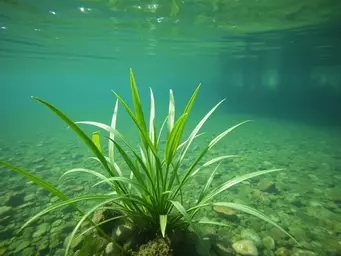
As we reflect on these newly added species, it’s important to acknowledge their potential impact on local habitats. For instance, species like hydrilla can overtake waterways, choking out native plants and disrupting local fish populations.
Legal Obligations for EU Member States
With these updates, EU member states are now faced with new legal obligations to take action against invasive species. This means implementing comprehensive strategies for monitoring and managing these invaders. What steps are local authorities taking to adhere to these new regulations? Understanding these legal frameworks can empower environmental professionals and educators like us.
- Implementing management plans tailored to local ecosystems.
- Conducting regular assessments to identify and control invasive species populations.
- Collaborating with local organizations to enhance awareness and action.
By fostering partnerships among stakeholders, we can strengthen our response to invasive species and promote healthier ecosystems.
Insight into the IAS Regulation (EU 1143/2014)
The IAS Regulation (EU 1143/2014) plays a critical role in shaping policies that govern the management of invasive species. This regulation sets forth the groundwork for the actions that EU member states must take to prevent and mitigate the spread of invasive species. Have you ever wondered how regulations like this impact our daily conservation efforts? It’s a fascinating connection!
How the Regulation Shapes Policy Implementation
At its core, the IAS Regulation emphasizes the need for a coordinated response to the threats posed by invasive species. This means that member states must develop national strategies that align with EU goals. Here’s a quick look at what this entails:
- Establishing risk assessments for new and existing species.
- Promoting research and data-sharing among member states.
- Ensuring public awareness campaigns to engage communities in conservation.
By adhering to these guidelines, we can create a more unified front against the invasion of harmful species that endanger our aquatic ecosystems.
Enforcement Mechanisms and Challenges
Despite the clear framework provided by the IAS Regulation, enforcement can often pose challenges. Each member state may have different capabilities and resources, leading to disparities in implementation. Have you encountered these challenges in your work? Sharing experiences can help us brainstorm solutions together!
- Limited funding for management initiatives can hinder effective implementation.
- Variability in local laws may create loopholes that invasive species exploit.
- Resistance from local communities can impact the effectiveness of management strategies.
By addressing these challenges head-on, we can better equip ourselves and our communities to comply with regulations and actively manage aquatic invasive species.
Exploring the Relationship Between the IAS Regulation and the Water Framework Directive
In understanding the IAS Regulation, it’s essential to explore its relationship with the Water Framework Directive (WFD). Both regulations aim to protect aquatic environments but from slightly different angles. How do these frameworks work together to promote healthier ecosystems? Let’s delve into the synergies they create!
Synergies Between Regulations for Aquatic Ecosystems
The integration of IAS management within the WFD is a powerful approach to safeguarding aquatic biodiversity. By aligning our strategies, we can significantly enhance the health of our waterways. Key aspects include:
- Fostering a holistic approach to managing both water quality and invasive species.
- Encouraging collaborative efforts among stakeholders at all levels.
- Utilizing shared resources and scientific research for more effective policy implementation.
With these synergies, our conservation efforts can become more comprehensive and impactful!
Impact on Biodiversity and Ecosystem Health
Effective integration of these regulations directly influences the health of our ecosystems. Monitoring both invasive species and water quality allows us to identify problems early on. What can we learn from these interactions?
- Healthy ecosystems are more resilient against threats posed by invasive species.
- Reducing nutrient pollution can limit the growth of harmful aquatic plants.
- Promoting native species recovery enhances ecosystem stability.
As we work together to manage our waterways, it’s vital to recognize how interconnected these regulations are. The health of our aquatic ecosystems depends on our collaborative efforts to implement both the IAS Regulation and the WFD effectively.
Pro Tip
To effectively combat aquatic invasive species, consider collaborating with local environmental organizations. Their expertise can enhance your management strategies and foster community engagement, leading to more successful outcomes in preserving native ecosystems.
Frequently Asked Questions (FAQs)
What is the 2025 IAS List Revision?
The 2025 IAS List Revision is a significant update to the list of Invasive Alien Species in Europe, adding new species that pose ecological risks to local biodiversity and reinforcing the seriousness of managing these threats.
What are the legal obligations for EU member states regarding invasive species?
EU member states are now legally obligated to implement comprehensive strategies for monitoring and managing invasive species, including tailored management plans, regular assessments, and collaboration with local organizations.
What is the IAS Regulation (EU 1143/2014)?
The IAS Regulation (EU 1143/2014) is a framework that establishes the groundwork for EU member states to prevent and mitigate the spread of invasive species by requiring coordinated responses, risk assessments, and public awareness campaigns.
How do the IAS Regulation and the Water Framework Directive work together?
Both regulations aim to protect aquatic environments. Their synergy involves a holistic approach to managing water quality and invasive species, encouraging collaborative efforts, and utilizing shared resources for more effective policy implementation, leading to healthier ecosystems.
What are the economic impacts of aquatic invasive species?
Aquatic invasive species can significantly impact the economy by affecting industries like fisheries and tourism through reduced catches, decreased visitor numbers, and increased costs for management and restoration efforts.
Economic and Social Impacts of Aquatic Invasive Species on EU Policies
As we delve into the economic and social impacts of aquatic invasive species, it’s crucial to recognize how they intersect with EU policies. The implications stretch far beyond environmental degradation, affecting industries like fisheries and tourism profoundly. Have you noticed changes in local fishing practices or tourism in your area? Understanding these impacts can motivate community involvement in safeguarding our waterways.
Invasive species like hydrilla can disrupt local economies by altering fish populations and creating challenges for recreational activities. The costs associated with managing these species can be staggering, requiring significant resources from both public and private sectors. This dynamic creates a ripple effect, ultimately influencing local livelihoods. For more information on policy and legislation surrounding invasive species, you can refer to resources like Invasives.ie.
Consequences for Fisheries and Tourism
Let’s take a closer look at how aquatic invasive species specifically impact fisheries and tourism sectors:
- Fisheries: Invasive species can outcompete native fish, leading to reduced catches and lower market value.
- Tourism: Waterways infested with invasive plants can deter visitors, causing economic loss for local businesses.
- Management Costs: Increased funding is needed for control measures, diverting resources from other community projects.
As we analyze these factors, we can better appreciate the broader environmental impact of invasive species. They not only threaten biodiversity but also trigger shifts in the ecosystem that can take years to restore. The future economic outlook hinges on our proactive measures to manage these invasive threats effectively.
Understanding the Broader Environmental Impact
The broader environmental impact of aquatic invasive species often translates into financial strain for industries reliant on healthy ecosystems. When aquatic habitats suffer, so do the fisheries and tourism sectors that depend on them. For instance, the introduction of hydrilla can lead to declines in native fish populations, which subsequently affects recreational fishing and tourism opportunities.
Moreover, the ecological imbalance created by invasive species can lead to increased costs in restoration efforts. This not only strains public budgets but also impacts community engagement and support for environmental initiatives. Hence, understanding these challenges is essential for developing comprehensive management strategies.
Future Economic Outlook
Looking ahead, the economic outlook regarding aquatic invasive species is uncertain but critical. As policies evolve, there must be a focus on sustainable strategies that mitigate these impacts. Here are a few considerations for the future:
- Investment in Research: Funding scientific research to develop effective management practices is vital.
- Community Engagement: Encouraging local involvement in monitoring and management can lead to better outcomes.
- Policy Integration: Ensuring that economic and environmental policies work synergistically will enhance resilience against invasive threats.
By prioritizing these strategies, we can create a more robust economic framework that supports both our local communities and the ecosystems we cherish. Remember, each effort counts towards fostering a healthier environment for future generations!
Evaluating the Economic Impacts of Invasive Species on Local Communities
In understanding the economic impacts of invasive species, it helps to look at real-world examples. Local communities often bear the brunt of these invasions, with industries facing unexpected challenges. Through case studies, we can highlight affected industries and their responses.
- Aquaculture: Fish farms have reported significant losses due to competition from invasive species.
- Recreation: Declines in recreational fishing lead to fewer tourists and reduced economic activity.
- Water Management: Increased costs for water management authorities to control invasive species disrupt budgets.
These case studies reveal a clear pattern: the economic viability of local communities is intricately linked to our ability to manage invasive species effectively. Dr. Clara Thorne and the Hydrilla Conservation Initiative advocate for informed decision-making that integrates ecological insights with economic strategies for local industries.
Policy Recommendations for Mitigation Strategies
To mitigate the impacts of invasive species, tailored policy recommendations become essential. Here are actionable steps that can guide local authorities and stakeholders:
- Develop Integrated Management Plans: Collaborate across sectors to create comprehensive strategies.
- Enhance Funding Opportunities: Create incentives for businesses investing in invasive species management.
- Increase Public Awareness: Engage communities to foster understanding and support for management efforts.
By implementing these recommendations, we can promote economic stability while ensuring that our ecosystems remain resilient to the threats posed by invasive species. As environmental professionals, it is our responsibility to champion these vital changes!
Recap of Key Points
Here is a quick recap of the important points discussed in the article:
- The 2025 IAS List Revision is crucial for updating the management of invasive species across Europe, with new species potentially impacting local ecosystems.
- EU member states now have legal obligations to implement comprehensive strategies for monitoring and managing invasive species.
- The IAS Regulation (EU 1143/2014) emphasizes the need for coordinated responses and promotes public awareness campaigns to engage communities.
- Integration of IAS management within the Water Framework Directive enhances the health of aquatic ecosystems through collaborative efforts.
- Aquatic invasive species have significant economic impacts on fisheries and tourism, emphasizing the need for effective management and community engagement.
- Policy recommendations include developing integrated management plans, enhancing funding opportunities, and increasing public awareness to combat invasive species effectively.