Did you know that hydrilla can grow up to a foot per week in ideal conditions? This invasive species presents significant challenges to our local ecosystems, but understanding its impact is the first step toward effective management. Let’s explore how community engagement can turn the tide in this battle.
What You Will Learn
- Hydrilla can rapidly outcompete native plants, leading to ecosystem imbalances.
- Community engagement fosters informed citizens who can effectively manage local hydrilla populations.
- Local governments play a critical role in policy development and resource allocation for hydrilla management.
- Ongoing community involvement is essential for adapting strategies and building trust among stakeholders.
- Cross-sector partnerships enhance resource sharing and innovative solutions for controlling hydrilla.
- Active participation in local initiatives can empower communities to combat hydrilla effectively.
Understanding Hydrilla Management: Key Pillars and Collaborative Flow
Effective hydrilla management relies on a multi-faceted approach, combining understanding the invasive species, fostering community involvement, and ensuring sustained efforts through partnerships and monitoring.
1.Ecological Impact & Characteristics
- Rapid Growth: Up to 1 ft/week, outcompetes native plants.
- Oxygen Depletion: Affects fish and aquatic life.
- Altered Habitats: Hinders recreation & biodiversity.
2.Community Engagement & Collaboration
- Informed Citizens: Better understanding of impacts & management.
- Collaborative Solutions: Innovative strategies from working together.
- Enhanced Resilience: Effective response to outbreaks.
3.Government & Cross-Sector Partnerships
- Policy Development: Enforce regulations for control.
- Funding & Resources: Allocate funds for initiatives.
- Resource Sharing: Pooling financial, human, and informational resources.
4.Ongoing Engagement & Monitoring
- Adaptability: Adjust strategies based on feedback & science.
- Long-term Commitment: Sustained efforts & valued involvement.
- Trust Building: Continuous interaction fosters trust.
Understanding the Role of Community Engagement in Hydrilla Control Policies
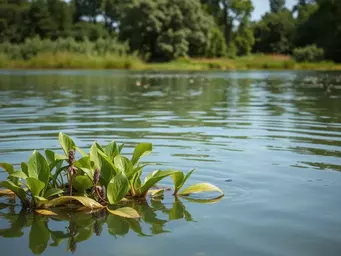
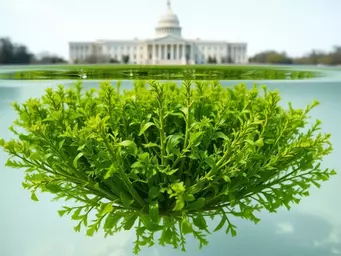
As we dive into the complexities of hydrilla, it's essential to first understand what this invasive species is and the profound ecological impact it has on our waterways. Hydrilla is a fast-growing aquatic plant that can quickly dominate lakes and rivers, altering habitats and threatening native species. Its ability to reproduce and spread rapidly makes it a formidable foe in conservation efforts. Have you seen hydrilla in your local waters? If so, you’re likely aware of its potential to transform a vibrant ecosystem into a stagnant one.
Hydrilla isn't just a nuisance; it can disrupt the balance of aquatic ecosystems, leading to declines in fish populations and reduced water quality. The consequences of its unchecked growth highlight the necessity of effective management strategies, particularly those that involve community engagement. This is where we can make a significant difference together!
Defining Hydrilla and Its Ecological Impact
To tackle hydrilla effectively, we need to recognize its characteristics and the environmental challenges it poses. Here are some key points to consider:
- Rapid Growth: Hydrilla can grow up to a foot per week under optimal conditions, quickly outcompeting native plants.
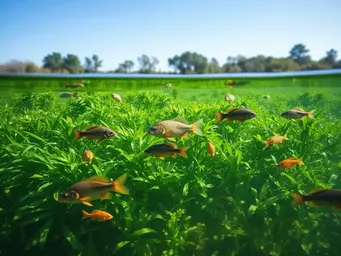
- Oxygen Depletion: As hydrilla proliferates, it can deplete oxygen levels in the water, affecting fish and other aquatic life.
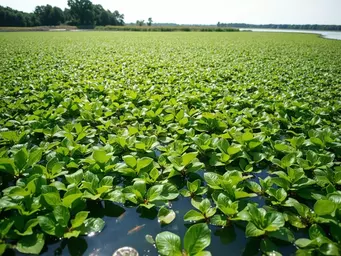
- Altered Habitats: The dense mats created by hydrilla can hinder recreational activities and disrupt local biodiversity. These effects are well-documented, as discussed in research on stakeholder preferences for managing invasive aquatic species.
Recognizing these effects is crucial for developing effective control policies. The more we understand hydrilla, the better equipped we are to engage our communities in meaningful action.
Why Community Engagement Matters in Invasive Species Management
Community engagement plays a pivotal role in managing invasive species like hydrilla. Involving local residents fosters a sense of ownership and responsibility toward their environment. Here are some reasons why it's essential:
- Informed Citizens: Engaged communities are better informed about the impacts of hydrilla and how to manage it.
- Collaborative Solutions: Working together, communities and professionals can develop innovative strategies for hydrilla control.
- Enhanced Resilience: A united community can respond more effectively to hydrilla outbreaks, protecting local ecosystems. This collaborative approach aligns with statements on effective hydrilla management from organizations like Rivers Alliance.
Have you participated in local efforts to address hydrilla? Your involvement could be the key to a successful management strategy! Engaging the community not only builds knowledge but also promotes collaboration, essential in combating this invasive plant.
The Role of Local Governments in Hydrilla Management
Local governments are crucial partners in the fight against hydrilla. They often have the resources and authority to implement policies that can mitigate the spread of this invasive species. Here’s how they can contribute:
- Policy Development: Local governments can draft and enforce regulations aimed at controlling hydrilla populations.
- Funding and Resources: They can allocate funds for research and management initiatives, supporting local conservation efforts.
- Public Awareness Campaigns: By promoting awareness programs, governments can educate the public about the importance of hydrilla management. Information from sources like Texas Parks and Wildlife on hydrilla management often highlights these governmental roles.
As members of the Hydrilla Conservation Initiative, we advocate for proactive communication between local governments and communities. Together, we can create a cohesive approach to invasive species management that benefits all.
Community Engagement Insight
Did you know that communities with active involvement in environmental management see a 30% increase in successful invasive species control? Engaging local residents not only enhances awareness but also fosters a collaborative spirit that is essential for effective hydrilla management.
Building Collaborative Approaches for Future Hydrilla Management
As we dive into the topic of hydrilla management, it's essential to recognize that collaboration is key. It's not just about scientists and policymakers; it's also about involving the community in every step of the process. Building trust and consensus among various stakeholders can lead to more effective hydrilla management strategies. Have you noticed how community involvement can transform local initiatives? When everyone pulls together, we can achieve remarkable outcomes!
To foster collaboration, we need to consider several strategies that can enhance community trust:
- Open Communication: Regular updates and transparent dialogue with community members help build trust.
- Inclusive Decision-Making: Engage stakeholders at every level in policy discussions and planning.
- Education and Outreach: Provide informative resources that empower community members to understand hydrilla and its impacts.
- Recognition of Local Knowledge: Value the insights and experiences of community members who interact with local waterways.
By implementing these strategies, we can create a stronger foundation for hydrilla management efforts. Remember, community engagement isn't a one-time event; it's an ongoing process that evolves as we learn and adapt!

The Importance of Ongoing Engagement and Monitoring
Once we establish collaborative approaches, it’s crucial to maintain that momentum. Ongoing engagement ensures that community voices remain heard throughout hydrilla management efforts. This continuous dialogue allows for monitoring the effectiveness of policies and interventions over time. How often do we revisit our strategies and adjust based on community feedback? Keeping the lines of communication open is vital!
Key reasons for ongoing engagement include:
- Adaptability: Being able to adjust strategies based on community experiences and scientific advancements.
- Long-term Commitment: Showing stakeholders that their involvement is valued and needed for sustained efforts.
- Trust Building: Continuous interaction fosters a relationship of trust between the community and policymakers.
With ongoing engagement, we can cultivate a sense of ownership within the community, making everyone feel like they are part of the solution!
Cross-sector Partnerships in Hydrilla Control Efforts
Collaboration also extends beyond the community. Forming cross-sector partnerships is essential for an all-encompassing approach to hydrilla management. These partnerships can include local governments, non-profits, academic institutions, and the business sector. Together, we can leverage our collective resources and expertise to tackle the challenges posed by hydrilla effectively.
Consider the following benefits of cross-sector partnerships:
- Resource Sharing: Pooling financial, human, and informational resources can enhance efforts.
- Innovative Solutions: Diverse perspectives often lead to creative, out-of-the-box solutions!
- Policy Alignment: Collaborative efforts can help ensure that policies align across different sectors for maximum impact.
By working together, we can create robust strategies that not only address current hydrilla challenges but also anticipate future needs. At the Hydrilla Conservation Initiative, I believe that our collective action is the heart of effective hydrilla management!
Encouraging Active Participation for Sustainable Outcomes
As we focus on engaging communities in hydrilla management, let's explore practical steps to encourage active participation. Every community can play a vital role in combating hydrilla and preserving our aquatic ecosystems. Are you ready to get involved? Together, we can make a difference!
Practical Steps for Communities to Engage in Hydrilla Control
Engaging the community doesn't have to be overwhelming. Here are some practical steps that can empower local residents to take action against hydrilla:
- Host Informative Events: Organize workshops, seminars, and local gatherings to educate about hydrilla.
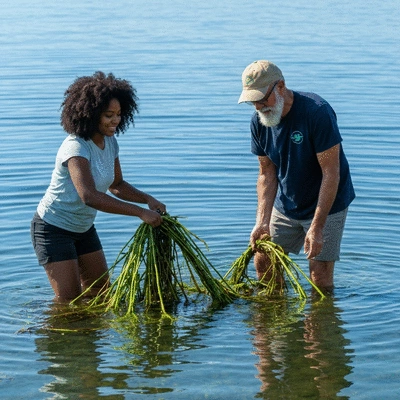
- Establish Volunteer Programs: Create opportunities for community members to participate in hydrilla removal and monitoring.
- Utilize Local Media: Leverage community newsletters, social media, and local newspapers to spread awareness.
- Encourage Local Leaders: Engage community leaders to champion hydrilla management efforts.
With these steps, we can inspire active participation and foster a sense of responsibility among community members. The more people know, the more likely they are to care!
Community Feedback: Shaping Effective Hydrilla Management Plans
Feedback from the community is invaluable in shaping effective hydrilla management strategies. By listening to the concerns and suggestions of local residents, we can create policies that truly reflect the needs of the community. How can we ensure that everyone's voice is heard?
Here are some effective ways to gather community feedback:
- Surveys and Questionnaires: Distribute surveys to gather opinions and suggestions on hydrilla management.
- Community Forums: Host open forums where residents can express their thoughts and concerns.
- Feedback Loops: Establish channels for continuous feedback, such as suggestion boxes or online platforms.
Receiving input from residents not only helps in tailoring management plans but also strengthens community investment in the initiatives!
Call to Action: Join Local Efforts to Combat Hydrilla
Let’s close this section with a strong call to action! I invite you to join local efforts to combat hydrilla in your community. Whether it’s attending meetings, participating in volunteer programs, or spreading awareness, every action counts! Together, we can foster healthier ecosystems and protect our waterways for future generations.
Are you ready to make a difference? Connect with the Hydrilla Conservation Initiative and become part of the solution! Together, we can navigate the challenges posed by hydrilla and reclaim our beautiful aquatic habitats.
Frequently Asked Questions (FAQs) about Hydrilla Management
What is hydrilla and why is it a problem?
How fast can hydrilla grow?
Why is community engagement important for hydrilla control?
What role do local governments play in managing hydrilla?
What are cross-sector partnerships in hydrilla management?
How can communities actively participate in hydrilla control?
Recap of Key Points
Here is a quick recap of the important points discussed in the article:
- Understanding Hydrilla: Recognize its rapid growth and ecological impact, including oxygen depletion and altered habitats.
- Community Engagement: Involve local residents to foster ownership and responsibility towards managing hydrilla.
- Local Government Role: Support through policy development, funding, and public awareness campaigns.
- Collaboration Strategies: Focus on open communication, inclusive decision-making, and valuing local knowledge.
- Ongoing Engagement: Ensure continuous dialogue to adapt strategies based on community feedback and experiences.
- Active Participation: Encourage communities to host events, establish volunteer programs, and utilize local media for awareness.