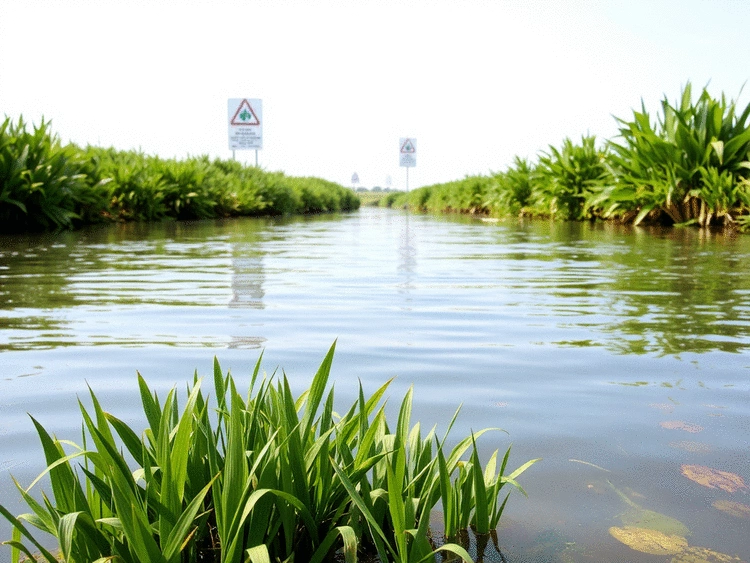

The path to effective hydrilla management begins with understanding its profound impact on our waterways. Did you know that hydrilla can double its biomass in just a few weeks, transforming vibrant ecosystems into overgrown landscapes? The stakes are high, and so is the need for informed action. Here’s what you can learn about tackling this invasive species.
What You Will Learn
- Hydrilla's rapid growth and adaptability make it a significant threat to local ecosystems.
- The ecological impact of hydrilla affects water quality and disrupts native species.
- Federal regulations, such as those from the EPA, guide effective management strategies for hydrilla control.
- State-specific policies dictate local management practices, emphasizing the importance of regional awareness.
- The Managed Invasive Species Act (MISA) establishes a framework for coordinated control efforts among states.
- Community engagement is crucial for sustainable hydrilla management and educational outreach.
Key Regulatory Frameworks for Hydrilla Management
Understanding the multi-faceted regulatory landscape is essential for effective hydrilla management. Various federal and state acts provide the frameworks for control, prevention, and restoration efforts.
Federal Regulations
- ✓ EPA's role in setting standards
- ✓ Research & guidelines for management
- ✓ Partnerships with state agencies
State-Specific Policies
- ✓ Local regulations & restrictions
- ✓ Permit requirements for boaters
- ✓ Awareness & education programs
Managed Invasive Species Act (MISA)
- ✓ Structured framework for management
- ✓ Funding & support for local programs
- ✓ Encourages public engagement
Clean Water Act (CWA)
- ✓ Water quality standards & control
- ✓ Permitting process for activities
- ✓ Supports restoration efforts
National Invasive Species Act (NISA)
- ✓ National strategy for prevention & control
- ✓ Promotes inter-agency cooperation
- ✓ Encourages public participation
Understanding the Regulatory Landscape for Hydrilla Management in Recreational Waterways
When it comes to managing the threats posed by hydrilla in our recreational waterways, understanding the regulatory landscape is crucial. Hydrilla is not just another aquatic plant; it has become one of the most notorious invasive species impacting ecosystems and recreational activities across the United States. Let’s delve into what hydrilla is and why it raises significant concerns.
What is Hydrilla and Why is It a Concern?
Overview of Hydrilla as an Invasive Aquatic Species
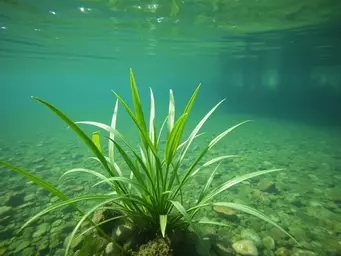
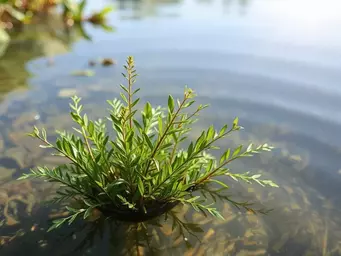
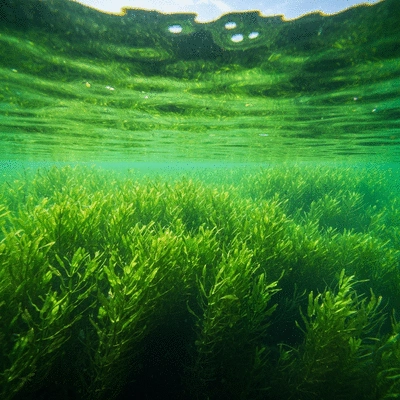
Hydrilla verticillata, commonly known as hydrilla, is a submerged aquatic plant that can flourish in various freshwater environments. Initially introduced to the U.S. as a decorative aquarium plant, it has rapidly spread and established itself in many lakes and rivers. Its ability to reproduce quickly and grow densely allows hydrilla to outcompete native vegetation, leading to drastic changes in the aquatic ecosystem.
- Rapid Growth: Hydrilla can double its biomass in just a few weeks, creating thick mats that block sunlight.
- Reproductive Strategies: Hydrilla can reproduce through fragmentation, tubers, and turions, making control efforts particularly challenging.
- Adaptability: It thrives in a variety of conditions, making it difficult to eradicate once established.
This adaptability and aggressive growth pattern are what make hydrilla such a formidable foe in aquatic environments. As an aquatic biologist, I've seen firsthand how quickly it can transform a thriving ecosystem into a struggling one.
Impact of Hydrilla Infestation on Ecosystems and Recreation
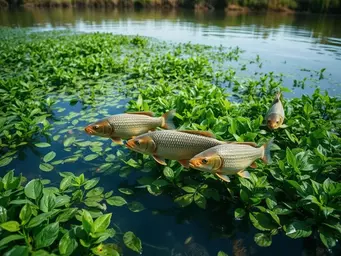
The ecological consequences of hydrilla infestation are severe, affecting water quality, fish populations, and overall biodiversity. With its dense growth, hydrilla can choke waterways, impede recreation like boating and fishing, and disrupt the natural habitat of native species. For instance, the North American Invasive Species Management Association (NAISMA) highlights the significant impact of hydrilla on ecosystems. Have you ever tried to paddle through a waterway filled with hydrilla? It's nearly impossible!
- Impaired Water Quality: As hydrilla accumulates, it can lead to lower oxygen levels, harming aquatic life.
- Disruption of Native Species: Hydrilla competes with native plants for resources, often leading to their decline.
- Recreational Barriers: Thick mats can cause difficulties for boaters, swimmers, and fishers alike.
These impacts highlight the urgent need for effective management strategies that align with regulatory frameworks. This is where understanding the regulations comes into play!
Key Regulatory Frameworks for Managing Hydrilla
Federal Regulations: The Role of the EPA and Other Agencies
At the federal level, the Environmental Protection Agency (EPA) plays a pivotal role in regulating the management of hydrilla and other invasive aquatic species. Their guidelines help ensure that control measures are not only effective but also environmentally sound. The EPA collaborates with other agencies to create a comprehensive approach to invasive species management.
- Setting Standards: The EPA establishes criteria for the safe application of herbicides used in hydrilla control.
- Research and Guidelines: Ongoing research is supported to develop and refine effective management techniques.
- Partnerships: Collaboration with state agencies enhances the effectiveness of national regulations.
These federal regulations are essential for steering local efforts and ensuring that we tackle hydrilla in a scientifically-backed manner.
State-Specific Policies and Their Implications for Boaters
Each state has its own policies regarding hydrilla management, often shaped by local conditions and ecological needs. For example, the Rhode Island Department of Environmental Management (RIDEM) provides specific guidance on managing hydrilla within its borders. This means that as boaters and recreational users, it's vital to be aware of regulations specific to your region. These policies can dictate everything from allowable herbicide applications to restrictions on boating in infested areas.
- Local Regulations: Some states may impose restrictions on certain water bodies to prevent the spread of hydrilla.
- Permit Requirements: Boaters may need permits for activities in areas undergoing active management.
- Awareness Programs: Many states run education programs to inform the public about hydrilla and its impacts.
Understanding these regulations is crucial for both protecting our ecosystems and enjoying our waterways responsibly!
Understanding the Managed Invasive Species Act (MISA)
The Managed Invasive Species Act (MISA) offers a structured approach to address invasive species like hydrilla. MISA aims to facilitate the management of invasive species by designating them as regulated pests, which allows for coordinated efforts in control and eradication. This act serves as a cornerstone for both state and federal initiatives.
- Regulatory Framework: MISA outlines specific management actions states can take.
- Funding and Support: The act can provide funding opportunities for local management programs.
- Public Engagement: It encourages public involvement in monitoring and reporting hydrilla sightings.
By utilizing the framework provided by MISA, we can enhance our collective efforts to combat hydrilla.
Clean Water Act and Its Influence on Hydrilla Regulations
The Clean Water Act (CWA) is another federal law that significantly influences how we manage aquatic invasive species. Under the CWA, states are required to develop water quality standards that include measures to control invasive species like hydrilla. This relationship between water quality and invasive species management is vital for the health of our ecosystems.
- Water Quality Standards: The CWA mandates the establishment of standards that can influence hydrilla management.
- Permitting Process: Activities that may affect water quality must be approved under the CWA.
- Restoration Goals: The act supports restoration efforts for water bodies affected by invasive species.
Understanding the Clean Water Act's implications can empower us to advocate for better practices in our own communities.
The National Invasive Species Act: A Comprehensive Overview
The National Invasive Species Act (NISA) provides a comprehensive framework for addressing invasive species at a national level. NISA emphasizes prevention and offers guidelines for state and local governments to develop their own management plans. This act is crucial in our fight against hydrilla and similar threats.
- National Strategy: NISA outlines a national strategy for the prevention, detection, and control of invasive species.
- Cooperation and Partnerships: It promotes collaboration among federal, state, and tribal agencies.
- Public Participation: NISA encourages public involvement in invasive species management initiatives.
By engaging with NISA, we can better coordinate our efforts and share resources in our battle against hydrilla.
Pro Tip
When managing hydrilla, consider adopting an integrated approach that combines mechanical removal, biological control, and targeted herbicide application. This multifaceted strategy can significantly enhance the effectiveness of your efforts and help restore the balance of local ecosystems.
Frequently Asked Questions About Hydrilla Management
- What is hydrilla and why is it a concern?
- Hydrilla (Hydrilla verticillata) is an invasive aquatic plant that grows rapidly and densely, outcompeting native vegetation. It poses a significant concern due to its ability to disrupt ecosystems, impair water quality, and hinder recreational activities like boating and fishing.
- How fast does hydrilla grow?
- Hydrilla can double its biomass in just a few weeks, forming thick mats that block sunlight and negatively impact aquatic environments.
- What are the main federal regulations for hydrilla management?
- Key federal regulations include guidelines from the EPA for safe herbicide application and research, the Clean Water Act (CWA) for water quality standards, and the National Invasive Species Act (NISA) which provides a national framework for prevention and control.
- Do state regulations differ from federal regulations?
- Yes, states often have specific policies tailored to local conditions and ecological needs, which can include restrictions on certain water bodies, permit requirements for boaters, and localized awareness programs.
- What is the Managed Invasive Species Act (MISA)?
- MISA is a framework designed to facilitate the management of invasive species by designating them as regulated pests. It encourages coordinated control efforts, provides potential funding, and promotes public engagement.
- How can local communities and individuals get involved in hydrilla management?
- Community engagement is crucial. Individuals can participate in local clean-up events, adopt the "Clean, Drain, and Dry" protocol for boats, educate others about invasive species, and volunteer with aquatic conservation organizations.
Conclusion: The Path Forward in Hydrilla Management
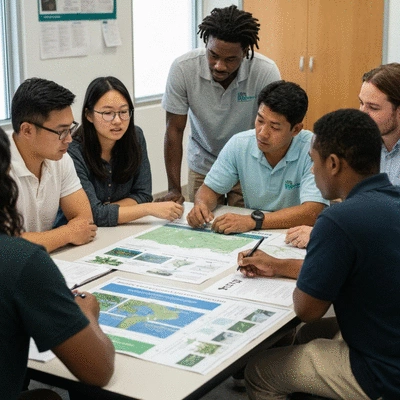
As we wrap up our exploration of hydrilla management, it’s vital to reflect on the key regulatory and management strategies that can guide us forward. Understanding the regulatory landscape is just the beginning; we must actively engage in effective management practices to combat this invasive species. By fostering collaboration among environmental professionals, educators, and community members, we can forge a path towards healthier waterways.
Here are some essential strategies we should focus on:
- Implementing best practices for boater education and community involvement.
- Utilizing EPA-approved herbicides responsibly while adhering to safety protocols.
- Conducting thorough cost-benefit analyses to ensure the most effective use of resources.
- Establishing long-term monitoring and adaptive management practices to stay ahead of hydrilla's spread, as seen in the U.S. Fish and Wildlife Service's rapid response plans for hydrilla.
Staying informed and engaged with local regulations will also empower us to take proactive measures. This understanding forms the bedrock of a solid conservation strategy that can protect our precious ecosystems.
Engaging with Local Communities for Sustainable Practices
Engagement is the cornerstone of effective hydrilla management. As Dr. Clara Thorne of the Hydrilla Conservation Initiative, I believe that fostering strong ties with local communities is essential for creating sustainable practices. When we come together—environmental professionals, educators, and community members—we can actively work to mitigate the impacts of hydrilla and protect our waterways.
Consider these community engagement strategies:
- Organizing local workshops to educate residents about hydrilla and its effects.
- Promoting volunteer days for waterway clean-ups and monitoring efforts.
- Collaborating with schools to incorporate invasive species education into their curricula.
- Creating an online platform for sharing experiences and strategies in hydrilla management.
By strengthening community ties and providing educational resources, we can enhance public awareness and inspire collective action against invasive species.
Collaborating with Nonprofits for Effective Invasive Species Management
Collaboration with nonprofits dedicated to environmental conservation can dramatically amplify our efforts in managing hydrilla. These organizations often bring valuable resources, knowledge, and passionate advocates to the table. Through partnerships, we can pool our expertise and share best practices that benefit our ecosystems.
Here’s how we can leverage these collaborations:
- Partnering with nonprofits for grant opportunities to fund hydrological studies and control measures.
- Engaging in joint public awareness campaigns to educate broader audiences about hydrilla.
- Sharing data and findings to improve strategies and response efforts across regions.
- Co-hosting events that connect community members with scientists and conservationists for hands-on learning.
These collaborative efforts will not only enhance our capacity to manage hydrilla effectively but also foster a community dedicated to conserving our waterways for future generations.
Join the Effort to Protect Our Waterways
How You Can Get Involved in Hydrilla Management Initiatives
Now that you’re informed about the significance of hydrilla management, it’s time to take action! There are numerous ways you can get involved and make a tangible impact. Every individual effort counts in the collective fight against invasive species.
- Participate in local clean-up events organized by environmental groups.
- Adopt the “Clean, Drain, and Dry” protocol when using boats and equipment.
- Educate your friends and family about invasive species and their effects on ecosystems.
- Volunteer with organizations that focus on aquatic conservation efforts.
Your engagement can inspire others to join the cause, creating a ripple effect that promotes awareness and action!
Resources for Further Information and Assistance
If you’re looking for more ways to engage in hydrilla management, consider tapping into the resources provided by the Hydrilla Conservation Initiative. We offer a range of materials, including identification guides, management tutorials, and updates on local policies affecting our waterways.
Here are some valuable resources to explore:
- The Hydrilla Invasive Plant Guide for identification and management strategies.
- Local environmental organizations and their upcoming events.
- Federal and state agency resources for compliance and regulations.
- Workshops and seminars on invasive species management techniques.
By utilizing these resources, you can empower yourself and others to take meaningful steps in protecting our vital ecosystems. Together, we can ensure that our waterways thrive for generations to come!
Recap of Key Points
Here is a quick recap of the important points discussed in the article:
- Hydrilla is a highly invasive aquatic species that poses significant threats to ecosystems and recreation.
- Understanding regulatory frameworks, such as the Clean Water Act and MISA, is crucial for effective hydrilla management.
- Local and state regulations may vary, making it important for recreational users to stay informed about specific guidelines in their area.
- Community engagement and collaboration with nonprofits can enhance efforts in managing hydrilla and protecting waterways.
- Active participation in local initiatives, such as clean-up events and educational workshops, can make a tangible impact in combating hydrilla.