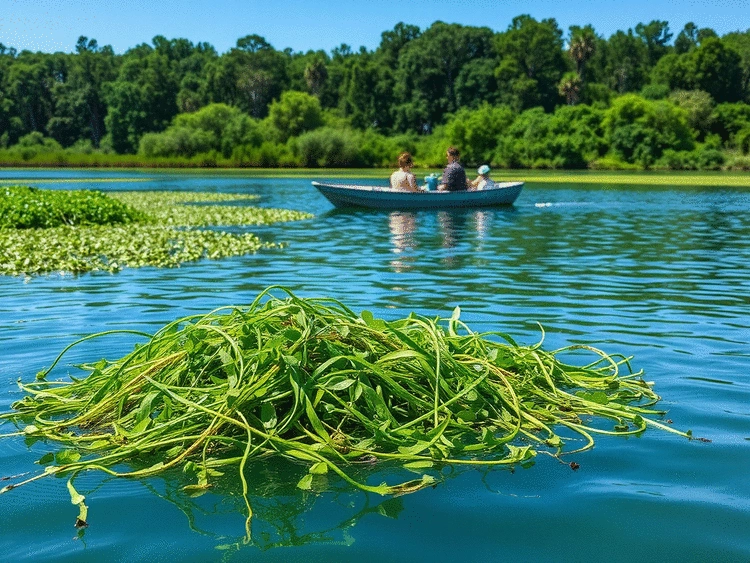

What if a single invasive plant could disrupt entire ecosystems? The reality of Hydrilla verticillata paints a stark picture of ecological imbalance, urging us to take action. This article explores the importance of eradication, effective policies, and community engagement in restoring our waterways.
What You Will Learn
- Hydrilla verticillata threatens biodiversity by outcompeting native species, leading to ecological imbalance.
- Effective eradication efforts improve water quality, benefiting both ecosystems and local economies.
- Policy interventions, like public awareness campaigns and regulatory frameworks, are essential in managing hydrilla infestations.
- Community engagement is crucial; educating residents fosters participation in local conservation efforts and eradication initiatives.
- Adapting management strategies to address climate change impacts is vital for the future of effective hydrilla control.
Hydrilla Management: Key Intervention Strategies and Their Impact
Effective management of invasive hydrilla involves a multi-pronged approach focusing on policy, ecosystem protection, and community engagement. The visual below details the crucial elements and their contributions to successful eradication.
Policy Interventions
- ●Regulatory Frameworks
- ●Public Awareness Campaigns
- ●Funding & Resources
Effective for prevention & early response.
Ecosystem Impact
- ●Biodiversity Protection
- ●Water Quality Improvement
- ●Economic Benefits
Preserves native flora & aquatic life.
Future Directions
- ●Climate Change Adaptation
- ●Adaptive Management
- ●Resilient Ecosystems
Addresses evolving environmental challenges.
Community Engagement
- ●Workshops & Events
- ●Informative Materials
- ●Social Media Outreach
Fosters local participation & stewardship.
Understanding Hydrilla Eradication: Importance and Overview
In the world of aquatic ecosystems, Hydrilla verticillata stands out as a formidable adversary. This invasive species, with its rapid growth and adaptability, can transform our precious waterways into dense thickets, choking out native plants and disrupting local ecosystems. Understanding why eradication is crucial isn’t just about protecting our environment; it’s about maintaining the balance of life in our lakes and rivers.
As someone deeply invested in environmental conservation, I’ve seen firsthand the challenges posed by hydrilla. Its ability to outcompete native flora leads to severe consequences, including decreased biodiversity and altered water quality. The urgency to address this issue is more pressing than ever—without effective action, we risk losing the rich biodiversity that supports local wildlife.
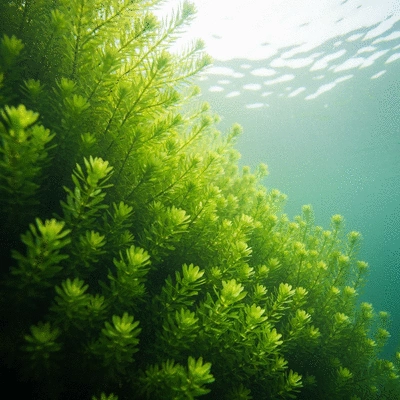
What is Hydrilla verticillata and Why is Eradication Crucial?
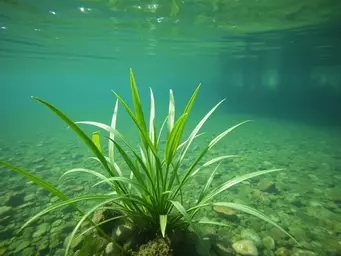
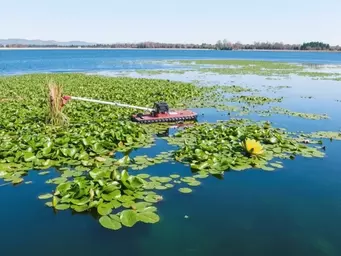
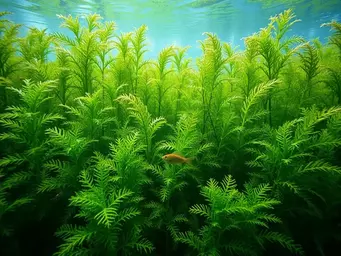
Hydrilla verticillata is a submerged aquatic plant native to Africa and Asia but has made its way into various waterways across the United States. Its vigorous growth can result in thick mats that disrupt recreational activities and harm fish populations. Eradicating hydrilla is crucial for several reasons:
- Biodiversity Protection: Native species struggle to survive when hydrilla takes over. By managing this invasive plant, we promote the health of our ecosystems. The U.S. Army Corps of Engineers, for example, outlines its comprehensive Hydrilla Management Plan to protect biodiversity in areas like Raystown Lake.
- Water Quality Improvement: Hydrilla can lead to poor water quality by depleting oxygen levels and increasing turbidity.
- Economic Benefits: Healthy ecosystems support local economies through tourism, fishing, and recreational activities.
Each of these points emphasizes the essential role that eradication efforts play in sustaining our environments. By understanding hydrilla and its impact, we can mobilize resources and strategies to combat its spread effectively!
Overview of Successful Policy Interventions in Hydrilla Management
Successful policy interventions have proven effective in managing hydrilla populations. Across various states, policies focusing on prevention, monitoring, and control have shown promise. For instance, California’s Department of Food and Agriculture (CDFA) has implemented programs that prioritize early detection and rapid response against hydrilla infestations. According to the National Invasive Species Information Center, effective policy interventions are vital for managing invasive species like hydrilla.
- Regulatory Frameworks: Establishing regulations around the sale and distribution of invasive species.
- Public Awareness Campaigns: Educating the public about the risks and identification of hydrilla can lead to early reporting of new infestations.
- Funding and Resources: Allocating state and federal funds to support eradication efforts and research initiatives.
These interventions not only curb the spread of hydrilla but also empower local communities to participate in conservation efforts. As we’ve seen, collaboration between government agencies and community stakeholders is vital in creating a robust response to this invasive threat.
The Role of Invasive Aquatic Plants in Ecosystem Disruption
Invasive aquatic plants like hydrilla disrupt ecosystems in profound ways. They alter nutrient cycling, block sunlight, and create barriers for fish and other aquatic organisms. This disruption often leads to a decline in native species and can cause significant changes in the overall structure of aquatic communities.
Think about it: when native species are pushed out, the ecosystem loses its balance. As a result, not only do we lose biodiversity, but we also jeopardize the health of the waterways that provide us with clean water and recreational opportunities.
- Impact on Fish Populations: Many fish species rely on a diverse habitat to thrive. Invasive plants can eliminate these environments.
- Water Quality Decline: Dense plant growth can lead to oxygen depletion, affecting all aquatic life.
- Economic Costs: Infestations lead to increased management costs and loss of recreational revenue.
By acknowledging the significant role invasive aquatic plants play in ecosystem disruption, we can better advocate for comprehensive management strategies. Protecting our waterways is a collective responsibility that we must embrace!
Pro Tip
To enhance your local hydrilla management efforts, consider engaging with community members through hands-on workshops where you can share effective identification techniques and eradication methods. Empowering others with knowledge not only spreads awareness but also fosters a collective commitment to protecting our waterways!
Frequently Asked Questions About Hydrilla Management
What is Hydrilla verticillata?
Hydrilla verticillata is an invasive aquatic plant, native to Africa and Asia, that can aggressively grow and disrupt aquatic ecosystems by forming dense mats.
Why is eradicating hydrilla important?
Eradication is crucial for several reasons, including protecting native biodiversity, improving water quality by preventing oxygen depletion, and maintaining economic benefits from healthy ecosystems (e.g., tourism, fishing).
What role do policy interventions play in hydrilla management?
Policy interventions include regulatory frameworks, public awareness campaigns, and funding allocation. These strategies help prevent the spread of hydrilla, encourage early detection, and support research and eradication efforts.
How does climate change affect hydrilla management?
Climate change can alter conditions like water temperature and precipitation, which may influence hydrilla growth and spread. Adaptive management strategies and building ecosystem resilience are necessary to address these evolving challenges.
How can communities get involved in hydrilla control?
Community members can get involved through public awareness campaigns, workshops, social media outreach, volunteering for removal activities, and advocating for effective invasive species management policies.
Moving Towards Effective Hydrilla Management Policies
As we look ahead in our battle against hydrilla, the need for integrated policy frameworks becomes clearer. Successful management of invasive aquatic species such as hydrilla requires collaboration across state lines, combining resources and knowledge to create an effective approach. By fostering partnerships among states, we can enhance our response strategies and tailor them to the unique challenges posed by hydrilla. The U.S. Fish and Wildlife Service highlights the importance of such frameworks in their Rapid Response Plan for Hydrilla in Massachusetts.
Integrated policy frameworks should include the following key elements:
- Collaboration between state agencies and environmental organizations
- Incorporation of science-based management practices
- Regular evaluation of policies and outcomes
- Public engagement initiatives to raise awareness
By implementing these strategies, we can ensure that all stakeholders are on the same page, making our efforts more coherent and impactful.

Future Directions: Climate Change Impacts and Regulatory Frameworks
Climate change presents new challenges for hydrilla management, altering the conditions under which these invasive species thrive. As an aquatic biologist, I’ve observed how shifts in temperature and precipitation patterns can influence hydrilla growth. It’s essential that our regulatory frameworks adapt to these changing conditions to remain effective.
Here are some considerations for future policy development:
- Assessing the vulnerability of local ecosystems to climate change
- Incorporating adaptive management strategies to respond to unforeseen changes
- Building resilience in native plant communities to better withstand invasions
By proactively addressing these impacts, we can improve our chances of successful hydrilla management while supporting the health of our waterways.
Engaging Communities for Sustainable Hydrilla Control
Strategies for Public Awareness Campaigns and Education
Engaging local communities is critical for the success of hydrilla management initiatives. Public awareness campaigns can educate residents about the ecological impacts of hydrilla, inspiring them to participate in eradication efforts. I’ve found that when people understand how invasive species affect their local environments, they are more likely to take action.
Consider these strategies for effective public awareness campaigns:
- Hosting community workshops and events to share knowledge
- Creating informative materials like brochures and online resources
- Utilizing social media to spread the word and engage younger audiences
When communities come together, we can create a powerful force against hydrilla!
How You Can Get Involved in Local Eradication Efforts and Community Partnerships
If you’re passionate about protecting our waterways, there are many ways to get involved! Local eradication efforts often rely on volunteers to help with various tasks, from manual removal to participating in educational outreach programs. As the founder of the Hydrilla Conservation Initiative, I encourage you to explore opportunities in your area.
Here’s how you can make a difference:
- Join local conservation groups or initiatives focused on hydrilla management
- Volunteer for hands-on removal activities with trained professionals
- Advocate for policies that support sustainable management of invasive species
Your involvement not only benefits the ecosystem but also strengthens community bonds. Together, we can foster a culture of stewardship and action!
Concluding Thoughts on Hydrilla Eradication Policies
Key Takeaways from Successful Case Studies and Research Studies
Reflecting on successful case studies in hydrilla management, we see the importance of collaboration, public engagement, and adaptive policies. It’s evident that no single strategy will suffice; rather, a multifaceted approach tailored to local conditions yields the best results. Learning from the challenges faced by others helps us refine our own methods.
Let’s remember these key takeaways:
- Effective communication among stakeholders is essential
- Regular monitoring and evaluation ensure ongoing success
- Community involvement leads to sustained efforts and deeper understanding
These lessons guide us as we move forward in tackling hydrilla.
Call to Action: Join the Effort for Effective Hydrilla Management
As we conclude this section, I invite you to join us in the fight against hydrilla. Whether you’re an environmental professional, a community member, or someone simply concerned about our precious ecosystems, your voice matters! Together, we can create impactful strategies and support policies that promote the health of our waterways.
Visit the Hydrilla Conservation Initiative to learn more about how you can take action, stay informed, and connect with others who share your passion for preserving our aquatic environments. Let’s make a difference today!
Recap of Key Points
Here is a quick recap of the important points discussed in the article:
- Biodiversity Protection: Managing hydrilla is essential to support native species and maintain ecosystem health.
- Water Quality Improvement: Eradication efforts help prevent oxygen depletion and maintain clean water quality.
- Economic Benefits: Healthy ecosystems bolster local economies through tourism and recreational activities.
- Effective Policy Interventions: Implementation of regulations, public awareness, and resource allocation are vital in managing hydrilla.
- Community Engagement: Involving local communities in education and eradication efforts is crucial for sustainable management.
- Adaptive Management Strategies: Policies must evolve to address challenges posed by climate change and the invasive nature of hydrilla.