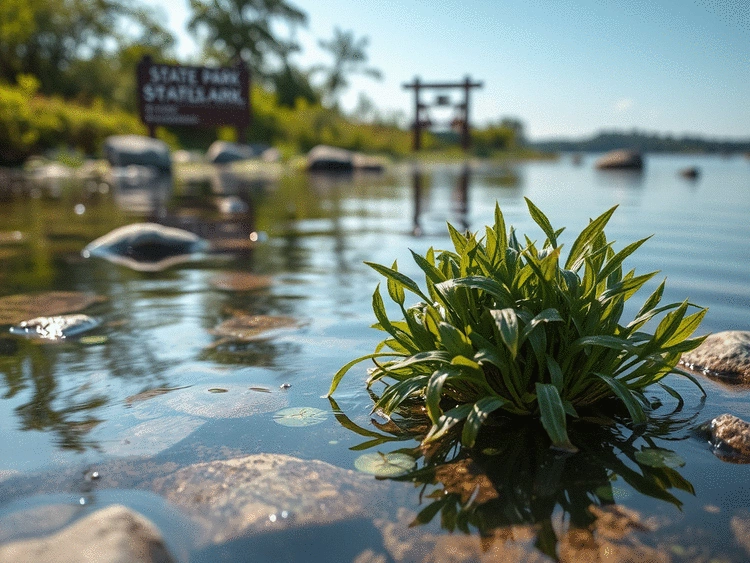

As we navigate the complexities of hydrilla management, understanding the policies that govern its control is vital. What if effective management strategies could not only restore our waterways but also protect invaluable ecosystems? This exploration reveals essential insights into combating this invasive species.
What You Will Learn
- Hydrilla is a highly invasive aquatic plant that can rapidly overtake waterways, threatening biodiversity and water quality.
- Key federal policies, including the Clean Water Act and FIFRA, guide the management and control of hydrilla across the U.S.
- State-level initiatives, like those in California and Connecticut, demonstrate effective strategies for hydrilla eradication through community engagement.
- Emerging trends in hydrilla management focus on non-chemical methods and increased funding for innovative control techniques.
Hydrilla Control: Federal vs. State Policy Approaches
Understanding the multi-layered regulatory landscape for hydrilla control is essential. Federal policies provide a broad framework, while state-level initiatives tailor strategies to local conditions. Below is a comparison of these two crucial aspects of hydrilla management.
Federal Policy Framework
- FIFRA(EPA Approval)
- Clean Water Act(Water Quality)
- Endangered Species Act(Habitat Protection)
- Rivers & Harbors Act(Navigable Waters)
- Bipartisan Infra. Law(Funding)
State-Level Initiatives
- CA Strategy(Early Detection)
- CT River Case Study(Community Engagement)
- MO Cleanup Efforts(Grassroots)
- NPDES Requirements(Permit Variability)
- Integrated Pest Mgmt.(Sustainable Approach)
Understanding the Regulatory Frameworks for Hydrilla Control
As an aquatic biologist, I’ve seen firsthand the devastating effects of hydrilla, an aquatic invasive species that threatens our waterways. Understanding the regulatory frameworks in place for hydrilla control is crucial for effective management and restoration of native ecosystems. It’s not just about policy; it’s about protecting the delicate balance of our aquatic environments!
What is Hydrilla and Why is Control Necessary?
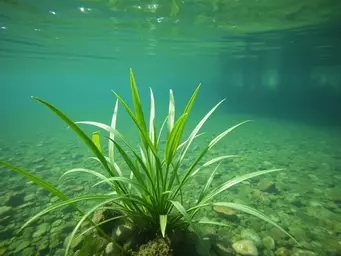
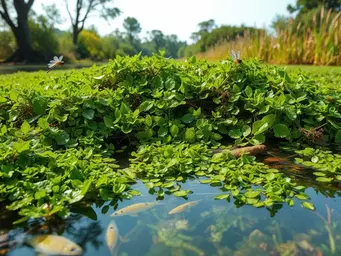
Hydrilla verticillata, commonly known as hydrilla, is a resilient aquatic plant that can grow rapidly, creating dense mats on the water's surface. This species often outcompetes native plants, leading to a decline in biodiversity and disrupting habitats. Control measures are necessary not only to protect native plant life but also to maintain healthy water quality for wildlife and human use.
Overview of Hydrilla verticillata as an Aquatic Invasive Species
Hydrilla is notorious for its ability to thrive in various aquatic environments, from lakes to rivers. Its leaves, typically arranged in whorls of five to seven, are a key identifying feature. This plant can grow up to a foot per day under optimal conditions, making it a formidable foe for anyone involved in invasive species management!
Impact of Hydrilla on Ecosystems and Water Bodies
The impacts of hydrilla are far-reaching. It can choke waterways, impede recreational activities, and reduce water quality by depleting oxygen levels. Fish populations often suffer from habitat loss, as the dense mats created by hydrilla can inhibit spawning and feeding processes. Have you ever watched a local waterway transform under the pressure of this invader? It’s alarming!
Key Federal Policies Governing Hydrilla Control
In the U.S., several federal policies play an essential role in managing hydrilla. These regulations not only guide the use of control measures but also ensure that management efforts are compliant with environmental standards. Let’s take a look at some key policies that govern hydrilla control:
- Federal Insecticide, Fungicide, and Rodenticide Act (FIFRA)
- Aquatic Nuisance Species Task Force
- Clean Water Act
- Endangered Species Act
- Rivers and Harbors Act - Section 104
- Funding from the Bipartisan Infrastructure Law
Federal Insecticide, Fungicide, and Rodenticide Act (FIFRA) and Its Role in Hydrilla Management
FIFRA plays a critical role in regulating the use of pesticides for hydrilla control. Any herbicides used must be approved by the EPA, ensuring that they are safe for aquatic life. This act helps maintain a balance between effective management and ecological protection.
Aquatic Nuisance Species Task Force and Its Role
This task force is dedicated to the prevention and control of aquatic invasive species like hydrilla. They provide scientific guidance and promote strategies to manage these species, making sure that local and state efforts are aligned with national goals.
Clean Water Act: Implications for Hydrilla Management
The Clean Water Act is a foundational piece of legislation that regulates discharges of pollutants into U.S. waters. This act has implications for hydrilla management as it emphasizes the need for maintaining water quality while controlling invasive species.
Endangered Species Act: Considerations for Hydrilla Control
When managing hydrilla, it’s essential to consider the Endangered Species Act. Control measures must not adversely affect listed species or their habitats, adding a layer of complexity to the management of this invasive plant.
Rivers and Harbors Act: Section 104 Explained
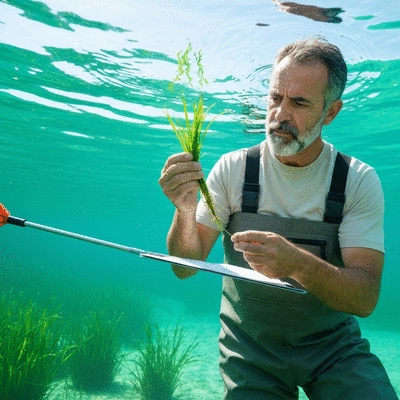
Section 104 of this act regulates the alteration of navigable waters, which includes managing aquatic plants like hydrilla. Understanding these regulations is key for ensuring that control efforts do not inadvertently hinder waterway navigation.
Funding from the Bipartisan Infrastructure Law for Aquatic Control
Recent funding from the Bipartisan Infrastructure Law has opened doors for enhanced aquatic control programs across the nation. This funding aims to support local initiatives, creating opportunities for innovative solutions to combat hydrilla infestations.
State-Level Initiatives for Effective Hydrilla Eradication
While federal regulations provide a framework, state-level initiatives are crucial for effective hydrilla eradication. Each state tailors its approach based on local conditions and challenges. Here are some notable examples:
- California's comprehensive hydrilla management strategy
- The success of the Connecticut River case study
- Missouri's public cleanup efforts
- The role of state departments of natural resources
California's Approach to Hydrilla Control and Eradication
California has implemented a multi-faceted approach that includes early detection, rapid response, and public awareness campaigns. Their proactive strategies serve as a model for other states facing similar challenges!
Connecticut River: A Case Study in Successful Management
The Connecticut River has seen significant success in managing hydrilla through community engagement and active state intervention. This case study highlights the importance of collaboration among various stakeholders.
Missouri's Public Cleanup Efforts and Local Policy Framework
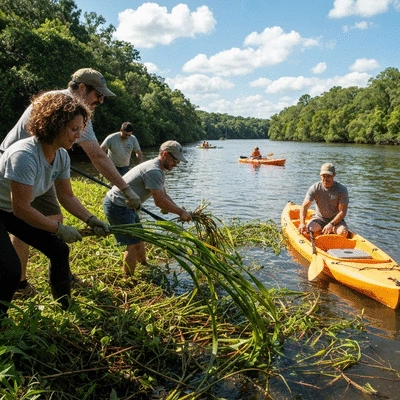
Missouri's public cleanup initiatives focus on engaging local communities to participate in the management of hydrilla. Their approach shows how grassroots efforts can complement state policies effectively.
State Departments of Natural Resources: Their Role in Hydrilla Control
State departments of natural resources play a pivotal role in coordinating hydrilla management efforts. They often serve as the bridge between federal policies and local communities, ensuring that resources are used effectively for control measures.
Comparison of State Policies on Hydrilla Control
Understanding the differences in state policies can provide valuable insights into the effectiveness of hydrilla management across the nation. Let's delve into some key points:
- State-by-state overview of regulatory differences
- Permits and regulations: NPDES requirements
- Integrated Pest Management (IPM) approaches across states
State-by-State Overview of Regulatory Differences
Each state has its own regulations regarding hydrilla management. This variability can affect how effectively hydrilla is controlled in different regions. An example of a state with a rapid response plan for hydrilla is Massachusetts. Understanding these differences is essential for collaboration.
Permits and Regulations: A Breakdown of NPDES Requirements
National Pollutant Discharge Elimination System (NPDES) permits are crucial for the use of herbicides in water bodies. Each state's approach to these permits can vary widely, impacting how quickly and efficiently hydrilla can be managed.
Integrated Pest Management (IPM) Approaches Across States
Many states are adopting Integrated Pest Management (IPM) strategies to combat hydrilla. This holistic approach combines various control methods and emphasizes sustainability, making it an excellent choice for long-term management.
Potential Trends and Future Directions in Hydrilla Policy
As we look ahead, understanding potential trends in hydrilla policy can help us prepare for effective management. Here are some areas to watch:
- Predictions for 2025: funding, regulations, and best practices
- Emerging non-chemical methods for hydrilla management
- Enforcement updates and legal challenges
- Research and development funding for innovative control techniques
Predictions for 2025: Funding, Regulations, and Best Practices
With the evolving landscape of aquatic management, predictions for 2025 highlight the need for increased funding and updated regulations that prioritize innovation and sustainability in hydrilla control.
Emerging Non-Chemical Methods for Hydrilla Management
Research into non-chemical methods offers hope for more sustainable control measures. Techniques such as biological control and habitat restoration are gaining traction as viable alternatives!
Enforcement Updates and Legal Challenges Ahead
As policies evolve, so do the challenges associated with enforcement. Keeping abreast of legal challenges will be essential for ensuring compliance and effective management of hydrilla.
Research and Development Funding for Innovative Control Techniques
Investment in research and development is crucial for discovering innovative control techniques. Funding can lead to breakthroughs that enhance our ability to manage hydrilla effectively and sustainably.
We Want to Hear From You!
What do you think about the current strategies for hydrilla management? Share your thoughts below:
Summarizing Hydrilla Control Efforts: State and Federal Perspectives
As we tackle the complexities of managing hydrilla, it's essential to examine the effectiveness of current policies at both the state and federal levels. By evaluating the full scope of our control methods, we can identify successful strategies, as well as areas that require further attention. Let's dive into some key analyses that shed light on our ongoing efforts!
Evaluating the Effectiveness of Current Policies
One way to assess the effectiveness of hydrilla control is through a cost-benefit analysis of the various management options available. This includes understanding the trade-offs between herbicides and biological controls. Here are some key considerations:
- Herbicides: Often provide quick results but can have negative impacts on non-target species and water quality.
- Biological Controls: These methods, such as introducing specific herbivores that feed on hydrilla, can be more sustainable but may take longer to establish and show results.
- Integrated Approaches: Combining both methods can sometimes yield the best outcomes, balancing effectiveness while minimizing harm to the ecosystem.
Success stories from various states highlight the benefits of these approaches. For example, in **Florida**, the careful introduction of biological controls has shown promising results in localized hydrilla management. What can we learn from these cases? They remind us that every watershed may require a unique blend of strategies to effectively combat hydrilla.
Success Stories and Lessons Learned from Various States
Across the U.S., several states have demonstrated notable success in managing hydrilla through innovative policies and community engagement. Here are a few exemplary cases:
- California: Implemented comprehensive monitoring programs that engage local stakeholders in tracking hydrilla growth.
- Connecticut: Established a multi-agency task force that collaborates on prevention and eradication efforts.
- Missouri: Promoted a public cleanup initiative that has not only reduced hydrilla populations but has also fostered community pride.
These stories provide valuable insights into the potential of cooperative efforts and the importance of community involvement in reaching our conservation goals.
Frequently Asked Questions About Hydrilla Management
What is hydrilla and why is it a problem?
Hydrilla verticillata is a highly invasive aquatic plant that grows rapidly, forming dense mats on water surfaces. It outcompetes native plants, reduces biodiversity, chokes waterways, impedes recreation, and degrades water quality by depleting oxygen, negatively impacting fish populations and other aquatic life.
What federal policies govern hydrilla control?
Key federal policies include the Federal Insecticide, Fungicide, and Rodenticide Act (FIFRA), the Clean Water Act, the Endangered Species Act, the Rivers and Harbors Act (Section 104), and funding initiatives like the Bipartisan Infrastructure Law. These policies regulate pesticide use, protect water quality and endangered species, manage navigable waters, and provide funding for control efforts.
How do state-level initiatives differ from federal policies?
While federal policies provide a broad framework, state-level initiatives tailor management strategies to local conditions and challenges. States like California and Connecticut have developed comprehensive approaches that include early detection, rapid response, and significant community engagement to effectively eradicate hydrilla.
What are Integrated Pest Management (IPM) approaches in hydrilla control?
IPM is a holistic strategy that combines various control methods, such as chemical (herbicides), biological (introducing natural predators), and mechanical (physical removal) techniques. This approach emphasizes sustainability and is designed to provide long-term management of hydrilla while minimizing environmental impact.
What are the future trends in hydrilla management?
Future trends include increased funding for research and development, a greater focus on emerging non-chemical methods (like biological control and habitat restoration), and evolving regulations that prioritize innovation and sustainability. There will also be continued attention to enforcement updates and legal challenges in policy implementation.
Engaging Stakeholders in Hydrilla Management
Effective hydrilla management cannot happen in isolation; it requires engaging a diverse array of stakeholders. Community involvement, local policies, and education initiatives all play crucial roles in our fight against this invasive plant.
Community Involvement and the Role of Local Ordinances in Control Efforts
Local ordinances can significantly influence hydrilla control efforts. When community members actively participate in setting and enforcing these policies, the effectiveness of management strategies increases. Here are some ways community involvement can shape our response:
- Volunteer Programs: Mobilizing local volunteers for cleanup days helps manage hydrilla while building community bonds.
- Local Workshops: Hosting educational workshops empowers residents with knowledge about hydrilla and its impacts.
- Policy Advocacy: Engaging community members to advocate for stronger local regulations can lead to more robust management frameworks.
By fostering an engaged community, we can create a culture of stewardship that strengthens our efforts to manage hydrilla effectively!
Encouraging Public Awareness and Education Initiatives
Public awareness is critical in the fight against hydrilla. Education initiatives can bridge the gap between knowledge and action, inspiring communities to take part in management efforts. Here’s how we can make a difference:
- Information Campaigns: Utilize social media, local news outlets, and community bulletins to spread the word about hydrilla and its impacts.
- School Programs: Incorporate educational materials related to aquatic ecosystems into school curriculums to raise awareness among younger generations.
- Community Events: Host local events focused on aquatic conservation to engage residents in hands-on activities.
By prioritizing education and outreach, we can equip individuals with the knowledge they need to participate meaningfully in hydrilla control.
Stakeholder Engagement in Developing Management Plans
Engaging stakeholders is essential when developing comprehensive hydrilla management plans. This collaborative approach ensures that multiple perspectives are considered, enhancing the effectiveness of strategies implemented. Key stakeholders include:
- Local Governments: They play a pivotal role in policy creation and resource allocation.
- Environmental Organizations: Their expertise can guide best practices in management and restoration efforts.
- Community Members: They offer valuable insights into local conditions and can help identify specific challenges.
When we come together as a community, our collective insights and resources lead to more robust, sustainable management plans that prioritize the health of our waterways.
Call to Action: What You Can Do to Support Hydrilla Control
As we continue our efforts to manage hydrilla, every individual can play a part. It's not just about what is done at the policy level; it’s also about grassroots support and action! Here are some ways you can contribute:
Advocating for Stronger Local Policies and Community Involvement
To make a real difference, we need to advocate for stronger local policies on hydrilla management. You can:
- Attend local meetings: Voice your concerns and support for hydrological health.
- Join local conservation groups: Collaborate with others who share a passion for protecting our waterways.
- Contact your representatives: Encourage them to support legislation aimed at invasive species management.
Every action counts, and by raising our voices, we can influence positive change!
Staying Informed: Resources for Continued Learning and Engagement
Staying informed about hydrilla and its management strategies is vital. Here are some resources to help you stay engaged:
- The Hydrilla Conservation Initiative: Explore our website for comprehensive resources and policy updates.
- Local Environmental Agencies: Follow their updates on hydrilla and other invasive species.
- Workshops and Webinars: Participate in educational opportunities to expand your knowledge on aquatic conservation.
Knowledge is power; the more we know, the better equipped we are to take action!
Environmental Justice Considerations in Hydrilla Control Efforts
As we move forward, it is essential to consider the principles of environmental justice in our hydrilla control efforts. This includes ensuring that all communities have equitable access to resources and decision-making processes, particularly those that are disproportionately affected by invasive species. Here’s how we can promote environmental justice:
- Inclusive Policy Development: Engage marginalized communities in the decision-making processes related to hydrilla management.
- Equitable Resource Distribution: Ensure that funding and resources are allocated fairly across all communities.
- Education for All: Provide educational materials and programs that are accessible to diverse community members.
By advocating for inclusive practices, we can ensure that our efforts in managing hydrilla benefit everyone while fostering a healthier ecosystem.
Recap of Key Points
Here is a quick recap of the important points discussed in the article:
- Hydrilla is a rapidly growing invasive aquatic plant that disrupts ecosystems and water quality.
- Key federal policies, including FIFRA and the Clean Water Act, guide effective hydrilla management.
- State-level initiatives are crucial for tailored approaches to hydrilla control, as seen in California and Connecticut.
- Community involvement and education initiatives enhance the effectiveness of hydrilla management efforts.
- Future directions in hydrilla policy will focus on sustainable practices and innovative control techniques.