
What if a single invasive plant species could disrupt an entire ecosystem? The story of hydrilla illustrates the profound impact of invasives on our environment and economy. Understanding these dynamics is crucial for effective management and preservation of our natural landscapes.
What You Will Learn
- The ecological and economic impacts of invasive species like hydrilla.
- Current challenges policymakers face in implementing effective invasive species management strategies.
- The importance of community engagement and public awareness campaigns in combating invasive species.
- Key elements for effective invasive species management, including collaboration and innovation.
Key Aspects of Invasive Species Management
The visual below highlights the critical elements influencing invasive species management, from ecological impacts to community involvement and policy challenges.
Ecological & Economic Impacts
- Displacement of native species
- Alteration of habitat structures
- Economic losses (agriculture, fisheries, tourism)
Current Challenges for Policymakers
- Lack of coordinated efforts
- Scarcity of funding
- Slow response times
Public Awareness & Community Involvement
- Local workshops & education
- Online identification resources
- Community-led monitoring efforts
Integrating Knowledge for Effective Management
- Strategic policies & control
- Utilizing innovative technologies
- Continuous policy adaptation
Understanding the Evolving Landscape of Invasive Species Management
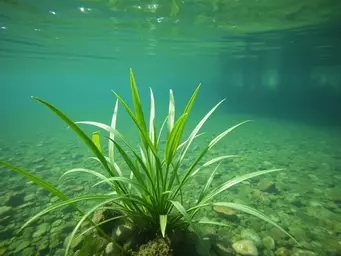
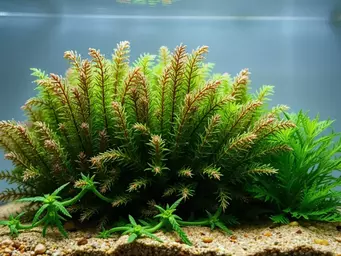
Invasive species management is more crucial than ever as our ecosystems face mounting pressures from various fronts. These invaders not only disrupt local biodiversity but also impose significant economic burdens on communities across the nation. Have you ever considered how a single plant, like hydrilla, can alter water quality and displace native species? This is where the importance of effective management becomes evident.
Invasive species can impact natural systems in several ways, including:
- Displacement of native plants and animals
- Alteration of habitat structures
- Reduction in biodiversity, affecting ecosystem services
- Economic losses in agriculture, fisheries, and tourism
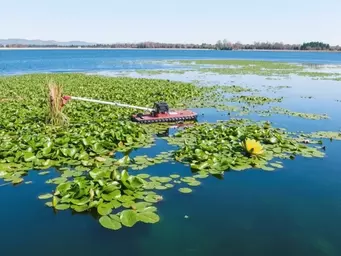
As an aquatic biologist, I have witnessed firsthand how invasive species like hydrilla can choke waterways, harming fish populations and recreational activities. This situation highlights the necessity for robust management strategies to protect our precious ecosystems. For a deeper understanding of strategic approaches, consider reviewing the Department of the Interior's Invasive Species Strategic Plan for 2021-2025, which outlines key objectives for federal efforts.

The Importance of Invasive Species Management in Today's Context
Today's understanding of invasive species extends beyond just ecological impacts. It influences economic decisions and community well-being. Governments and environmental organizations increasingly recognize that managing invasive species is not just about control—it's about fostering resilience in our ecosystems.
One prominent example is the financial burden on local governments trying to combat these species. They often allocate extensive resources to eradication efforts, which can strain budgets. As we push forward, we must emphasize the collective responsibility of individuals, organizations, and policymakers to safeguard our natural landscapes. The Western Governors' Association's policy resolution on Biosecurity and Invasive Species Management provides insight into regional policy challenges and solutions.
Current Challenges Facing Policymakers
Despite the awareness surrounding invasive species, policymakers face numerous hurdles in implementing effective management strategies. One major challenge is the lack of coordinated efforts between state and federal agencies. This fragmentation can lead to inconsistent regulations and confused enforcement efforts.
Key challenges include:
- Scarcity of funding for comprehensive management initiatives
- Slow response times in addressing emerging invasive threats
- Lack of standardized identification and reporting protocols
- Insufficient public engagement and education efforts
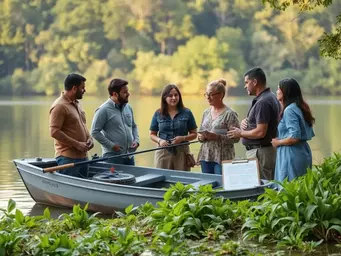
As I work with the Hydrilla Conservation Initiative, I realize how essential collaboration is among various stakeholders. By merging resources and knowledge, we can devise more effective strategies to combat these invasive species.
Public Awareness Campaigns and Community Involvement
The role of public awareness campaigns cannot be overstated. These initiatives are vital in promoting community engagement and understanding of invasive species issues. Through education, we empower individuals to recognize and report invasive species in their local areas.
Successful community involvement often hinges on:
- Organizing local workshops and educational events
- Creating online resources for identification and reporting
- Encouraging community-led cleanup and monitoring efforts
- Building partnerships with local organizations and schools
In my experience, fostering a community committed to action is critical for long-term success in managing invasive species. Are you ready to join the conversation and take part in the effort to protect our waterways? The North American Invasive Species Management Association (NAISMA) emphasizes the critical role of biodiversity preservation and public participation in their programs.
Pro Tip
Maximize your impact in the fight against invasive species by engaging your community! Organize local workshops where residents can learn to identify invasive species and share effective management techniques. Collaboration with local schools can also foster awareness among younger generations, ensuring a united front in preserving our ecosystems.
Frequently Asked Questions (FAQs) About Invasive Species Management
What is an invasive species?
An invasive species is a non-native organism that causes ecological or economic harm to the environment it invades. They can disrupt ecosystems, displace native species, and lead to significant financial losses.
How do invasive species impact ecosystems?
Invasive species can displace native plants and animals, alter habitat structures, reduce biodiversity, and negatively affect ecosystem services. For example, hydrilla can choke waterways, harming fish populations.
What are the main challenges in managing invasive species?
Key challenges include a lack of coordinated efforts between agencies, scarcity of funding, slow response times to new threats, lack of standardized identification protocols, and insufficient public engagement.
Why is public awareness important for invasive species management?
Public awareness campaigns are crucial for educating communities about invasive species, enabling individuals to identify and report them, and fostering community involvement in cleanup and monitoring efforts. Engaged communities are vital for long-term success.
What role do policymakers play in invasive species management?
Policymakers are responsible for developing and implementing strategic policies for prevention, control, and eradication. They also face challenges in securing funding, coordinating efforts, and ensuring rapid responses to emerging invasive threats.
Summarizing Key Insights and Takeaways
As we draw our discussion on invasive species to a close, it's essential to integrate the knowledge we've gathered. Effective management relies on several critical elements that can influence policy and strategies. By understanding ecological impacts, fostering community engagement, and adapting policies to current challenges, we can build a solid foundation for invasive species management.
Moreover, collaboration among stakeholders—from government entities to local communities—plays a pivotal role. Have you thought about how your involvement can make a difference? Each person can contribute to a larger cause, and together, we can enhance the health of our waterways.
Integrating Knowledge for Effective Invasive Species Management
- Understanding the ecological and economic impacts of invasive species.
- Implementing strategic policies that address prevention and control.
- Fostering community awareness and participation in management efforts.
- Utilizing innovative technologies to monitor and manage invasive species.
- Continuously adapting policies to reflect new challenges and research findings.
These elements are crucial in developing an effective framework for managing invasive species. By merging scientific insights with community actions, we can create a sustainable approach that not only addresses current issues but also anticipates future challenges.

Call to Action: Engaging Stakeholders and the Community
Now is the time to take action! I encourage you to get involved in your local initiatives aimed at combating invasive species. Whether you're participating in community clean-ups or supporting policy changes, your voice matters. Together, we can advocate for stronger policies and better management strategies.
Are there local organizations in your area working towards invasive species management? Connect with them, share your experiences, and inspire others to join the cause. Remember, every small effort counts in the fight to protect our native ecosystems!
Final Thoughts on the Future of Invasive Species Policy
Balancing Ecosystem Health with Economic Considerations
As we look to the future, it’s vital to maintain a balanced approach in policy-making. Protecting our ecosystems shouldn’t come at the expense of economic viability. Policies must consider the needs of both environmental health and local economies to create sustainable solutions.
When we prioritize ecosystem health, we also secure the future of industries that depend on clean water and biodiversity. So, how can we bridge this gap? By advocating for policies that support both conservation and economic growth, we’ll pave the way for innovative solutions.
Staying Informed: Resources for Ongoing Learning
Knowledge is power! Staying informed about the latest research and developments in invasive species management is crucial for anyone interested in this field. I recommend checking out resources from reputable organizations and educational institutions that provide timely information.
- Invasive Species Information - A comprehensive resource for policy updates and management strategies.
- The Nature Conservancy - Offers local volunteer opportunities and educational resources.
- Environmental Protection Agency (EPA) - Provides guidelines and resources on invasive species management.
By regularly visiting these resources, you’ll stay engaged and informed about the latest trends and innovations in managing invasive species.
Funding Opportunities for Research Initiatives and Community Programs
Finally, securing funding is essential for advancing research initiatives and enhancing community programs. Various grants and funding opportunities are available to support organizations tackling invasive species issues.
- National Fish and Wildlife Foundation grants for conservation projects.
- State and federal funding programs aimed at ecological restoration.
- Private sector partnerships that support research and innovation.
Consider exploring these opportunities for your organization or community group. Together, we can harness the necessary resources to strengthen our initiatives and protect our waterways from the threat of invasive species!
Recap of Key Points
Here is a quick recap of the important points discussed in the article:
- Invasive species disrupt biodiversity and impose economic burdens on communities.
- Effective management requires understanding ecological impacts and fostering community engagement.
- Challenges include funding shortages, slow responses to threats, and lack of public awareness.
- Public awareness campaigns are crucial for community involvement in managing invasive species.
- Collaboration among stakeholders is essential for developing effective management strategies.