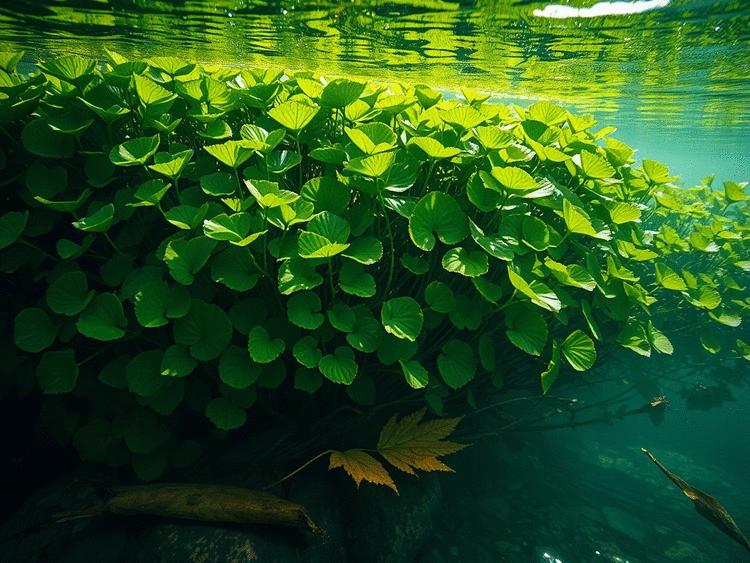

As we explore the complexities of hydrilla and its seasonal behavior, consider this: understanding its life cycle can be the key to effective management. How can we leverage this knowledge to protect our ecosystems? Let’s uncover the valuable insights that can help us combat this invasive species.
What You Will Learn
- Hydrilla undergoes distinct stages: germination, vegetative growth, reproduction, and dormancy, each adapted to seasonal changes.
- During dormancy, hydrilla relies on turions and tubers, which serve as energy storage, to survive unfavorable conditions.
- Photosynthesis in hydrilla is heavily influenced by light availability, water temperature, and nutrient levels, driving its growth cycles.
- Effective management strategies can disrupt hydrilla's growth by targeting its dormant structures, enhancing ecological balance with native species.
Hydrilla's Seasonal Life Cycle and Dormancy Mechanisms
This visual illustrates the critical stages of hydrilla's life cycle and its specialized dormancy structures, providing insights into its adaptive strategies and highlighting key periods for management interventions.
Hydrilla Seasonal Life Cycle Overview
Spring
Germination & Rapid Growth
Seeds sprout, vegetative growth accelerates with warming temperatures and increased light.
Summer
Peak Growth & Reproduction
Lush coverage, flower & seed production. Intense photosynthesis.
Autumn/Winter
Dormancy & Energy Storage
Plant dies back, relies on turions and tubers to survive.
Dormancy Mechanism: Turions
Small, buoyant buds that form in leaf axils. They detach from the parent plant and float, aiding in dispersal. Turions can germinate in spring when conditions become favorable, leading to new hydrilla plants.
Dormancy Mechanism: Tubers
Underground storage organs that develop along rhizomes. Tubers can remain viable for several years, allowing hydrilla to survive harsh winters and regenerate even if surface growth is removed.
Understanding Hydrilla's Seasonal Response: Growth and Dormancy Mechanisms
As we dive into the complexities of hydrilla, it's crucial to understand its seasonal response—how it grows, adapts, and survives through various environmental conditions. Hydrilla exhibits remarkable growth patterns, especially influenced by seasonal changes. Studying these mechanisms can help us better manage this invasive species and preserve our precious ecosystems!
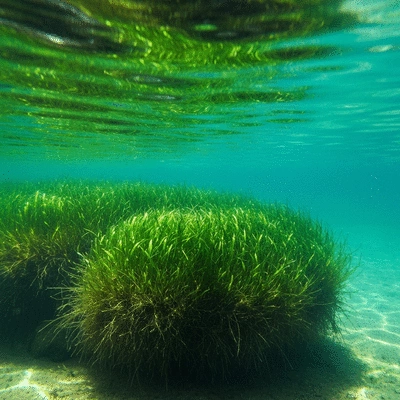
Understanding the life cycle of hydrilla is the first step in combating its spread effectively. This plant goes through distinct stages of growth and dormancy, each adapted to its environment. By examining these stages closely, we can develop strategies tailored to specific challenges presented throughout the year. For more information on how hydrilla impacts freshwater ecosystems, you can refer to insights from the National Institutes of Health (NIH).
Examining the Life Cycle of Hydrilla
The life cycle of hydrilla is a fascinating journey of adaptation and resilience. It generally includes the following stages:
- Germination: Seeds can sprout depending on favorable conditions.
- Vegetative Growth: Rapid growth occurs in spring and summer, leading to lush water coverage.
- Reproductive Stage: In summer, hydrilla can produce flowers and seeds.
- Dormant Phase: During winter, hydrilla undergoes a dormancy phase, utilizing energy-storing tubers.
Each of these stages is crucial for understanding how hydrilla not only thrives but also how it can be managed effectively. As an aquatic biologist, I've witnessed firsthand how recognizing these phases allows for more effective intervention strategies.
Key Characteristics of Dormant Stages: Turions and Tubers
During the winter months, hydrilla enters a dormant phase, relying on turions and tubers to survive. These specialized structures serve as a form of energy storage, enabling the plant to endure unfavorable conditions.
Here's a closer look at these two dormant stages:
- Turions: These are small, buoyant buds that can disperse and germinate in spring when conditions improve.
- Tubers: These are underground storage organs that can lie dormant for extended periods, allowing hydrilla to survive harsh winters.
Understanding these characteristics helps in developing targeted management practices. For instance, if we can interrupt the formation of these structures, we can potentially reduce hydrilla's population the following growing season. It’s all about being strategic! You can find more details on these structures and hydrilla's biology in this comprehensive guide from the University of Florida's IFAS Extension.
Photosynthesis and Growth Cycles of Hydrilla
Photosynthesis plays a pivotal role in hydrilla's growth cycles, greatly influenced by light availability and water temperature. As the days grow longer and warmer in spring, hydrilla awakens from its dormancy, ramping up photosynthesis to fuel its rapid growth.
Several factors contribute to effective photosynthesis in hydrilla:
- Light Availability: Optimal light conditions boost growth rates significantly.
- Water Temperature: Warmer temperatures enhance metabolic processes within the plant.
- Nutrient Levels: Adequate nutrients in the water are essential for vigorous growth.
By monitoring these variables, environmental professionals can better predict hydrilla's growth patterns and tailor their management efforts accordingly. As we continue to understand these cycles, we empower ourselves to take meaningful action!
Growth Patterns of Hydrilla: Seasonal Variations and Environmental Influences
Understanding hydrilla's growth patterns throughout the year is critical for effective management. The challenges and tactics required change with the seasons, and recognizing these shifts can make all the difference in protecting our wetlands. For an in-depth understanding of hydrilla's impacts and management strategies, consider reviewing resources like the U.S. Army Corps of Engineers' messaging document on hydrilla, which offers valuable insights into public awareness and control efforts.
Pro Tip
To effectively manage hydrilla populations, consider integrating biological control methods alongside mechanical removal. Introducing native herbivores, such as certain fish species, can help reduce hydrilla growth naturally. Monitoring their impact allows for a more sustainable approach to invasive species management.
Summarizing Hydrilla's Seasonal Behavior and Management Considerations
As we delve into the intricate world of hydrilla, it's essential to understand its seasonal behavior, especially the growth and dormancy cycles. These phases not only define hydrilla's life but also play a critical role in how we, as environmental professionals and educators, manage and combat this invasive species. Key takeaways include the rapid growth during spring, significant expansion in summer, and the dormancy initiated by environmental cues in fall.
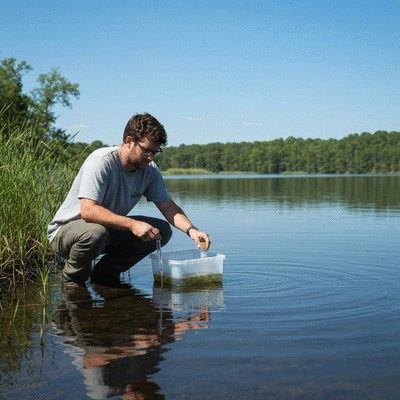
In my years as an aquatic biologist, I’ve witnessed firsthand how understanding these cycles can shape effective management strategies. For instance, recognizing that hydrilla utilizes turions and tubers during dormancy can inform our approach during colder months. It’s all about aligning management efforts with hydrilla's natural rhythms!
Engaging with Visuals: Growth Cycle Infographics
Incorporating visual aids can significantly enhance our understanding of hydrilla's seasonal responses. Infographics are particularly effective as they present complex information in a more digestible format. Here are some suggestions for visuals to include:
- Growth Cycle Charts: Illustrate the various growth stages of hydrilla throughout the year.
- Infographics on Turions and Tubers: Show how these structures function during dormancy.
- Seasonal Maps: Highlight regional differences in hydrilla growth and dormancy.
By utilizing these visuals, we can foster a deeper understanding among peers and the community, making it easier to communicate the importance of timely management interventions.
Frequently Asked Questions about Hydrilla's Seasonal Changes
Engaging with others in the field often brings up various questions regarding hydrilla's seasonal behavior. Here are some common queries I encounter, along with answers that can guide effective management:
- What are the four main stages of hydrilla's life cycle? The four main stages are germination, vegetative growth, reproduction, and dormancy.
- How does hydrilla survive harsh winter conditions? Hydrilla relies on specialized dormant structures called turions (buoyant buds) and tubers (underground storage organs) to survive unfavorable conditions and regenerate.
- What environmental factors significantly influence hydrilla's growth? Light availability, water temperature, and nutrient levels are key factors that drive hydrilla's photosynthetic activity and growth cycles.
- When is the most effective time to implement hydrilla management strategies? Management strategies are most effective when they target specific stages of hydrilla's life cycle, such as disrupting dormant structures during colder months or implementing control measures during rapid growth in spring and summer.
- What role do native species play in managing hydrilla? Native species contribute to ecological balance by competing with hydrilla for resources, supporting biodiversity, and providing habitats, which can help control hydrilla populations naturally.
These FAQs help frame our understanding of hydrilla’s behavior and highlight the need for constant engagement with the latest research and management practices.
Ecological Balance: The Role of Native Species in Hydrilla Management
One of the most critical aspects of managing hydrilla involves maintaining ecological balance. Native species play a vital role in our ecosystems, and their presence can help control hydrilla populations. Here’s why they matter:
- Biodiversity Support: Native species contribute to ecological diversity, which can help stabilize ecosystems.
- Competition for Resources: Healthy native plants can compete with hydrilla for nutrients and light, reducing its advantage.
- Habitat Provision: Native species provide habitats for aquatic life, promoting a balanced ecosystem that can withstand invasive threats.
As professionals dedicated to environmental conservation, we must advocate for the protection of native species as a part of our comprehensive management strategies. Their presence not only enriches our waterways but also fortifies our defenses against invasive species like hydrilla.
Next Steps for Effective Hydrilla Management
As we wrap up this exploration of hydrilla's seasonal changes, I encourage you to consider how these insights can inform your management strategies. Understanding the seasonal behavior of hydrilla is crucial for anyone involved in aquatic management. For further learning, I recommend checking out resources available on the Hydrilla Conservation Initiative website, including management tutorials and policy updates. Together, let’s empower ourselves and our communities to protect our vital waterways from the threats posed by invasive species!
Recap of Key Points
Here is a quick recap of the important points discussed in the article:
- Understanding Growth Stages: Hydrilla goes through distinct stages including germination, vegetative growth, reproductive stage, and dormancy.
- Role of Dormant Structures: Turions and tubers are crucial for hydrilla's survival during winter dormancy, enabling it to withstand unfavorable conditions.
- Photosynthesis Factors: Effective hydrilla growth is influenced by light availability, water temperature, and nutrient levels.
- Seasonal Management Strategies: Recognizing hydrilla's seasonal behavior is key to implementing effective management tactics, particularly during its rapid growth phases in spring and summer.
- Importance of Native Species: Maintaining ecological balance through native species can help control hydrilla populations and support ecosystem stability.