
Have you ever wondered how a single invasive plant can disrupt an entire aquatic ecosystem? Understanding the characteristics and growth patterns of hydrilla is essential for effective management and conservation efforts. Let's explore the intricacies of this invasive species and learn how to tackle it with confidence!
What You Will Learn
- Hydrilla's leaves typically grow in whorls of five to seven, aiding in its identification.
- Serrated leaf edges can range from subtle to pronounced, distinguishing hydrilla from other aquatic plants.
- The plant's tuberous root system allows for rapid regrowth and survival in adverse conditions.
- Hydrilla can grow up to eight inches daily in optimal conditions, necessitating regular monitoring.
- Seasonal changes affect hydrilla’s appearance, requiring adjustments in identification and management strategies.
- It thrives in shallow, nutrient-rich waters, often outcompeting native species for resources.
- Misidentifying hydrilla can disrupt ecosystem balance and lead to ineffective management practices.
- Utilizing genetic analysis can improve the accuracy of hydrilla identification and management efforts.
Hydrilla Characteristics and Growth: A Visual Guide
Understanding hydrilla's distinct features and rapid growth is crucial for effective management. This visual guide highlights its key identifying traits and growth patterns.
Key Identification Features
- • Leaf Arrangement: Whorls of 5-7 leaves
- • Leaf Edges: Distinctly serrated
- • Root System: Potato-like tubers
Growth Rate Up to 8 Inches Daily
Under optimal conditions, hydrilla can grow rapidly, forming dense mats that disrupt aquatic ecosystems.
Habitat Preference Nutrient-Rich Waters
Thrives in shallow, nutrient-rich lakes, ponds, and slow-moving rivers, outcompeting native plants.
Consequences of Misidentification
- • Wasted Resources: Ineffective treatments
- • Ecosystem Disruption: Harm to native species
- • Unchecked Proliferation: Dominance of waterways
Understanding Hydrilla: Features and Growth Patterns
As we delve into the world of hydrilla, it's essential to grasp its unique characteristics and growth patterns. This invasive aquatic plant poses a significant challenge to our ecosystems, and understanding its features is the first step in effective management. Have you ever tried identifying hydrilla? Knowing what to look for can make all the difference!
From the arrangement of its leaves to its rapid growth, hydrilla has several distinguishing features. Let’s explore these traits in detail so you can tackle this invasive species with confidence!
Key Characteristics of Hydrilla for Accurate Identification
Leaf Structure and Arrangement: Whorls of 5
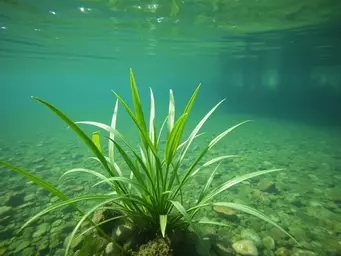
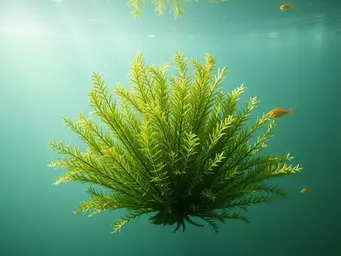
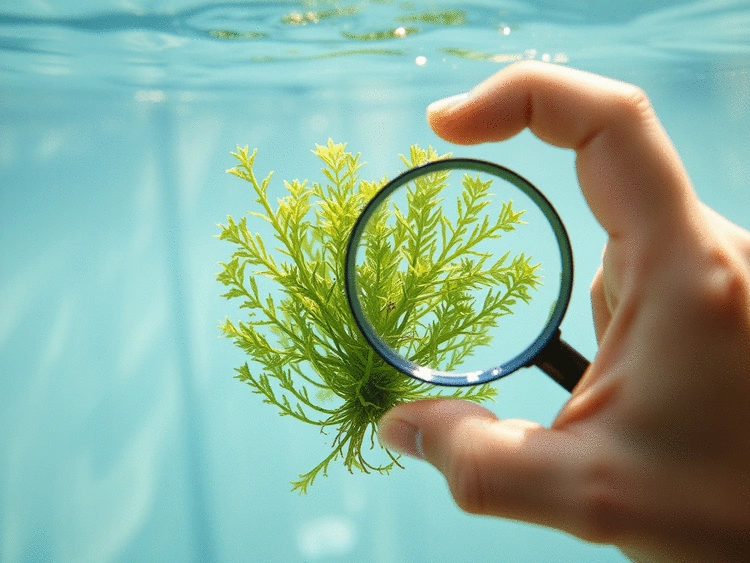
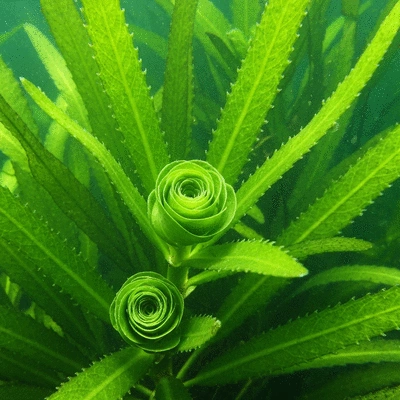
One of the most distinctive features of hydrilla is its leaf structure. Typically, you’ll find the leaves arranged in whorls of five to seven around the stem. This unique arrangement helps differentiate hydrilla from other aquatic plants. When inspecting a plant, count those whorls—it's a quick way to identify this invasive.
- Look for groups of five to seven leaves.
- Leaves are slender and can be up to 12 centimeters long.
- Color varies from bright green to a darker shade depending on water quality.
Understanding the leaf arrangement not only aids in identification but also plays a role in assessing the health of aquatic ecosystems. Remember, spotting hydrilla early can help prevent its takeover!
Serrated Leaf Edges: What to Look For
In addition to the whorled leaves, hydrilla's serrated leaf edges are another telling characteristic. These edges can often be felt when you run your fingers along the leaf. The serration can range from subtle to pronounced, depending on environmental conditions. So, don’t forget to give it a gentle touch during your identification process!
- Serrated edges can be sharp, making them easily distinguishable.
- This feature is often more noticeable in healthy specimens.
- Look closely under water; the serration is less visible from a distance.
This attention to detail can significantly enhance your identification skills, paving the way for more effective management strategies.
Tubers and Root Systems: The Potato-Like Roots
Another crucial aspect of hydrilla is its tuberous root systems. These potato-like structures allow the plant to survive adverse conditions and facilitate rapid regrowth. When you spot hydrilla, take a moment to check the roots—these tubers can be a key indicator of its presence and abundance.
- Tubers are typically small, round, and can be brown or black.
- Hydrilla can produce numerous tubers, contributing to its invasive nature.
- Removing the plant without addressing the tubers may allow it to regrow quickly.
Recognizing these tubers is essential for anyone involved in aquatic plant management, ensuring that you are equipped to address hydrilla effectively.
Growth Rate and Seasonal Changes: How They Affect Identification
Rapid Growth Phenomena: Up to 8 Inches Daily
Hydrilla is notorious for its rapid growth, sometimes reaching up to eight inches daily under optimal conditions. This astonishing growth rate can quickly lead to dense mats that block sunlight and hinder native species. Understanding this growth pattern is crucial for timely intervention!
- Monitor growth during the warmer months when hydrilla thrives.
- Regular inspections can help catch early signs of invasion.
- Invasive management efforts should escalate during peak growth seasons.
By keeping a close eye on hydrilla’s growth rate, you can implement management strategies before it overwhelms local ecosystems!
Identifying Hydrilla in Different Seasons
As seasons change, so do the characteristics of hydrilla. In the warmer months, the plant flourishes, while in colder seasons, it may die back but leave behind tubers to regenerate. This seasonal variation is essential for accurate identification and management planning.
- In spring and summer, look for dense growth and lush green foliage.
- In fall and winter, focus on spotting remnants and tubers near the substrate.
- Adjust management techniques based on seasonal growth patterns.
By adapting your strategies to the season, you can stay ahead of hydrilla’s invasive tendencies and protect our vital waterways!
Habitat Preferences of Hydrilla and Its Impact on Ecosystems
Typical Aquatic Habitats for Hydrilla Verticillata
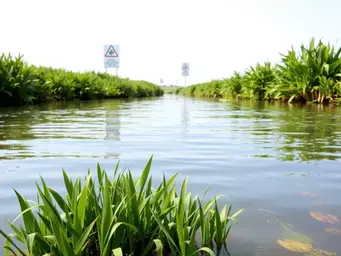
Hydrilla thrives in a range of aquatic environments, including lakes, ponds, and slow-moving rivers. It often prefers nutrient-rich waters, where it can outcompete native plants. Understanding these habitat preferences is key for early identification and management!
- Look for hydrilla in shallow waters, where sunlight penetrates.
- It can grow in both freshwater and brackish water conditions.
- Dense mats may form in areas with minimal water flow.
By familiarizing yourself with these habitats, you can enhance your ability to locate and identify this invasive species effectively!
Interactions with Wildlife in Aquatic Ecosystems
Hydrilla’s presence can significantly impact local wildlife and ecosystems. Its dense growth can provide cover for some species but often leads to a decline in native plants and fish populations. Understanding these interactions can help you appreciate the importance of managing hydrilla effectively.
- Hydrilla can disrupt food chains by outcompeting native flora.
- Some fish may benefit from cover, while others suffer from habitat loss.
- Invasive species management is vital to maintain ecosystem balance.
Being aware of hydrilla’s ecological impact can empower you to take action and engage with your community in the fight against invasive species!
Pro Tip
Did you know? Regularly monitoring the growth of hydrilla not only helps in early identification but also informs your management strategies. By noting its growth patterns during different seasons, you can plan effective interventions before it overwhelms native species in your local waterways!
The Importance of Accurate Hydrilla Identification
Accurate identification of hydrilla is crucial for environmental professionals and educators alike. Misidentifying hydrilla can lead to dire consequences, not just for management practices but also for the overall health of our ecosystems. Have you ever considered how a simple error in identification could ripple through an entire habitat? Understanding these impacts empowers us to take action!
One of the significant consequences of misidentifying hydrilla involves the disruption of ecosystem balance. When a native species is mistaken for hydrilla, it can lead to inappropriate management practices that exacerbate the invasion. This emphasizes the need for precision in identification and effective communication among professionals working in aquatic ecosystems.
Consequences of Misidentifying Hydrilla and Native Species
The ramifications of misidentification can be severe. Here are some key points to consider:
- Altered management practices that fail to address the real threat posed by hydrilla.
- Increased costs and wasted resources due to ineffective treatments.
- Stress on native species that may be wrongly targeted for control measures.
Moreover, our ecosystems suffer when we mislabel these invaders. For instance, treatment failures due to misidentification can allow hydrilla to proliferate unchecked, causing further harm to aquatic habitats.
Impact on Ecosystem and Management Practices
The impact on management practices can be felt far and wide. Inaccurate identification prevents the implementation of the most effective strategies to control hydrilla populations, ultimately leading to poor ecosystem management. We must stay vigilant and ensure that our approaches are rooted in accurate identification.
Consider this: if we misidentify hydrilla, we might inadvertently allow it to dominate waterways, outcompeting native plants and disrupting fish habitats. This cascading effect not only alters the physical landscape but also affects the health of our aquatic ecosystems.
Case Studies: Treatment Failures Due to Misidentification
Examining case studies can shed light on the need for precision. For example, in several instances, treatments intended for hydrilla were mistakenly applied to native species. These errors resulted in environmental degradation and loss of biodiversity. It’s essential that we learn from these cases to enhance our practices.
One notable case involved a local wetland where misidentification led to the removal of a native plant, which turned out to be vital for the habitat's integrity. This highlights how critical accurate identification is to the health of our ecosystems.
Environmental Impacts of Invasive Species on Local Ecosystems
Invasive species like hydrilla can significantly disrupt local ecosystems. They often outcompete native plants for resources, leading to declines in biodiversity. This is why it’s vital for us to accurately identify hydrilla, allowing us to implement targeted management strategies that protect our native flora. The early detection of invasive species, such as the first Michigan detection of invasive hydrilla, is crucial for timely response and effective control.
As I’ve observed throughout my work with the Hydrilla Conservation Initiative, the interconnectedness of aquatic life is fragile. By ensuring accurate identification, we can preserve the delicate balance that sustains our waterways.
Ecological Assessments and the Role of Accurate Identification
Accurate identification also plays a crucial role in ecological assessments. Scientists and environmental professionals rely on precise species identification to gauge the health of aquatic ecosystems. This, in turn, helps in developing effective management strategies tailored to the specific challenges posed by hydrilla.
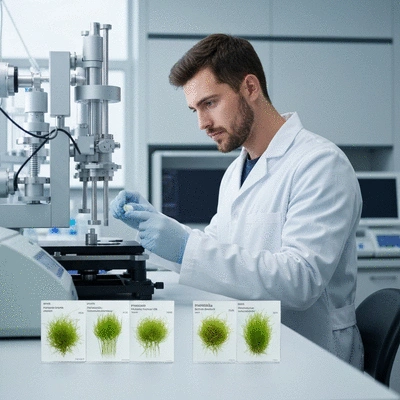
Utilizing genetic analysis has proven beneficial in distinguishing hydrilla from native species, leading to a better understanding of its impact on local ecosystems. When we employ these modern techniques, we can turn the tide against invasive species.
Utilizing Genetic Analysis for Improved Understanding of Hydrilla
Genetic analysis can offer insights that traditional identification methods might miss. By examining the genetic material of hydrilla, we can understand its origins and adaptability, which is essential for controlling its spread. This approach allows us to develop more effective management practices tailored specifically to hydrilla. For further details on its characteristics and distribution, the USGS Nonindigenous Aquatic Species database provides comprehensive information.
Incorporating these advanced techniques into our identification processes ensures that we are equipped with the necessary knowledge to combat this invasive species effectively. More information on invasive hydrilla and its impacts can be found on the National Invasive Species Information Center website.
Invasive Plant Management: Strategies for Control
Understanding the unique characteristics of hydrilla is critical for developing management strategies. Here are some strategies that focus on effective control:
- Implementing mechanical removal methods to physically eliminate hydrilla.
- Applying targeted herbicides that minimize impacts on native species.
- Exploring biological control options, such as introducing natural predators.
Each of these strategies requires precise identification to ensure we’re addressing the right problem. By taking a thoughtful, informed approach, we can work towards restoring balance in our aquatic environments.
Frequently Asked Questions about Hydrilla
- What are the key identification features of hydrilla?
- Hydrilla can be identified by its leaves arranged in whorls of five to seven around the stem, and its distinctly serrated leaf edges. It also has potato-like tubers in its root system.
- How fast does hydrilla grow?
- Under optimal conditions, hydrilla can grow rapidly, sometimes up to eight inches daily, forming dense mats that can disrupt aquatic ecosystems.
- Where does hydrilla typically grow?
- Hydrilla thrives in shallow, nutrient-rich aquatic environments such as lakes, ponds, and slow-moving rivers. It can grow in both freshwater and brackish conditions.
- Why is accurate identification of hydrilla important?
- Accurate identification is crucial to avoid misapplications of management strategies, prevent wasted resources, and protect native species from harm, ensuring effective control and ecosystem balance.
- Can genetic analysis help in identifying hydrilla?
- Yes, genetic analysis is a valuable tool for distinguishing hydrilla from native species and understanding its origins and adaptability, which helps in developing more targeted and effective management practices.
Recap of Key Points
Here is a quick recap of the important points discussed in the article:
- Hydrilla can be identified by its unique leaf arrangement, typically in whorls of five to seven.
- The serrated edges of hydrilla leaves are a key distinguishing feature, often felt when touched.
- Tubers are crucial for hydrilla's survival and rapid regrowth; identifying them is essential for effective management.
- Hydrilla's growth rate can reach up to eight inches daily; monitoring during warmer months is vital for intervention.
- Seasonal changes affect hydrilla's appearance, requiring different identification strategies throughout the year.
- Understanding hydrilla's habitat preferences can aid in early identification and management efforts.
- Misidentification of hydrilla can lead to ineffective management practices and stress on native species.
- Utilizing genetic analysis can enhance identification accuracy and lead to better management strategies.