Hydrilla in Louisiana: Bayous and Backwaters
Discover how hydrilla thrives in the slow-moving bayous, vast swamps, and massive boundary reservoirs of Louisiana.
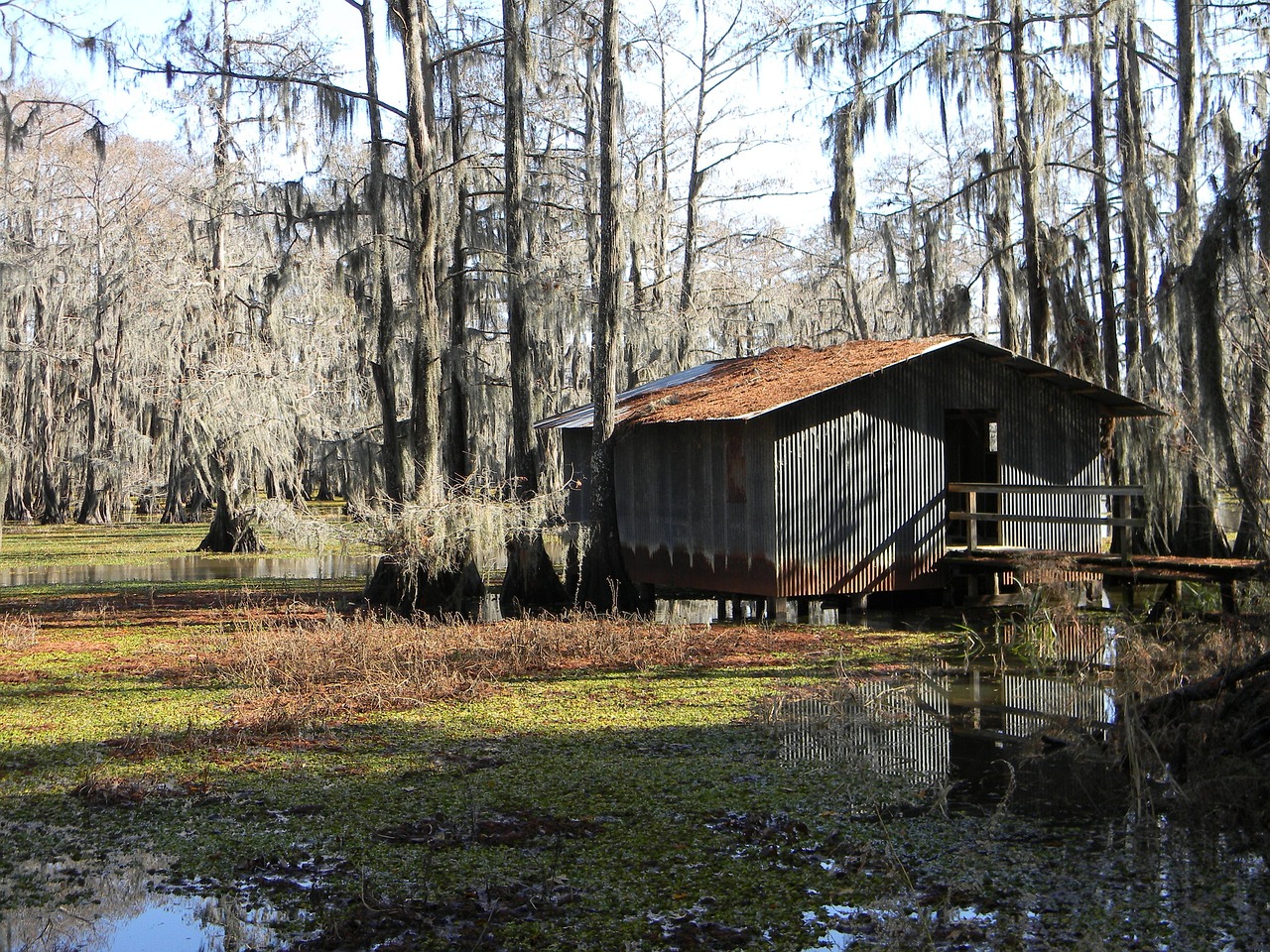
The Perfect Swamp Environment
Louisiana's unique hydrology provides an ideal incubator for Hydrilla verticillata. The state's slow-moving bayous, shallow oxbow lakes, and nutrient-rich, warm waters allow the plant to grow aggressively nearly year-round.
Unlike states with deeper, colder reservoirs, the shallow depth profiles of Louisiana's natural waterbodies mean that hydrilla can easily top out across the entire surface of a lake or bayou, severely impacting both commercial and recreational navigation.
Major Affected Systems
- Toledo Bend Reservoir: Shared with Texas, this massive 185,000-acre reservoir requires constant monitoring. Hydrilla provides excellent bass habitat here, but must be managed to keep boat lanes and marinas open.
- Lake Bistineau & Caney Lake: These northern Louisiana lakes have waged decades-long battles against both hydrilla and Giant Salvinia. Management often relies on massive winter water drawdowns.
- The Atchafalaya Basin: The nation's largest river swamp is highly susceptible to aquatic weeds. Hydrilla, alongside water hyacinth, can clog critical navigation channels used by crawfish and crab fishermen.
The Drawdown Strategy
One of the most effective, albeit controversial, management tools used in Louisiana is the winter drawdown. The Louisiana Department of Wildlife and Fisheries (LDWF) will intentionally lower the water level of a lake by several feet during the winter months.
This exposes the shallow littoral zones where hydrilla thrives. The exposed plant material, and ideally the subterranean tubers, freeze and desiccate, providing significant control without the use of expensive herbicides. However, this strategy is highly dependent on cooperative weather and severely limits winter recreational use.
Explore Related Topics
References
Information presented on this page is supported by peer-reviewed research, federal agencies, and state resource management programs.
- U.S. Geological Survey (USGS) – Nonindigenous Aquatic Species Databasehttps://nas.er.usgs.gov
- U.S. Army Corps of Engineers – Aquatic Plant Control Research Programhttps://www.erdc.usace.army.mil
- NOAA Aquatic Invasive Species Programhttps://www.noaa.gov