Hydrilla in Alabama: The Tennessee River Migration
Explore how hydrilla has colonized Alabama's major river systems, impacting famous bass fishing reservoirs and hydroelectric power generation.
The River Basin Invasion
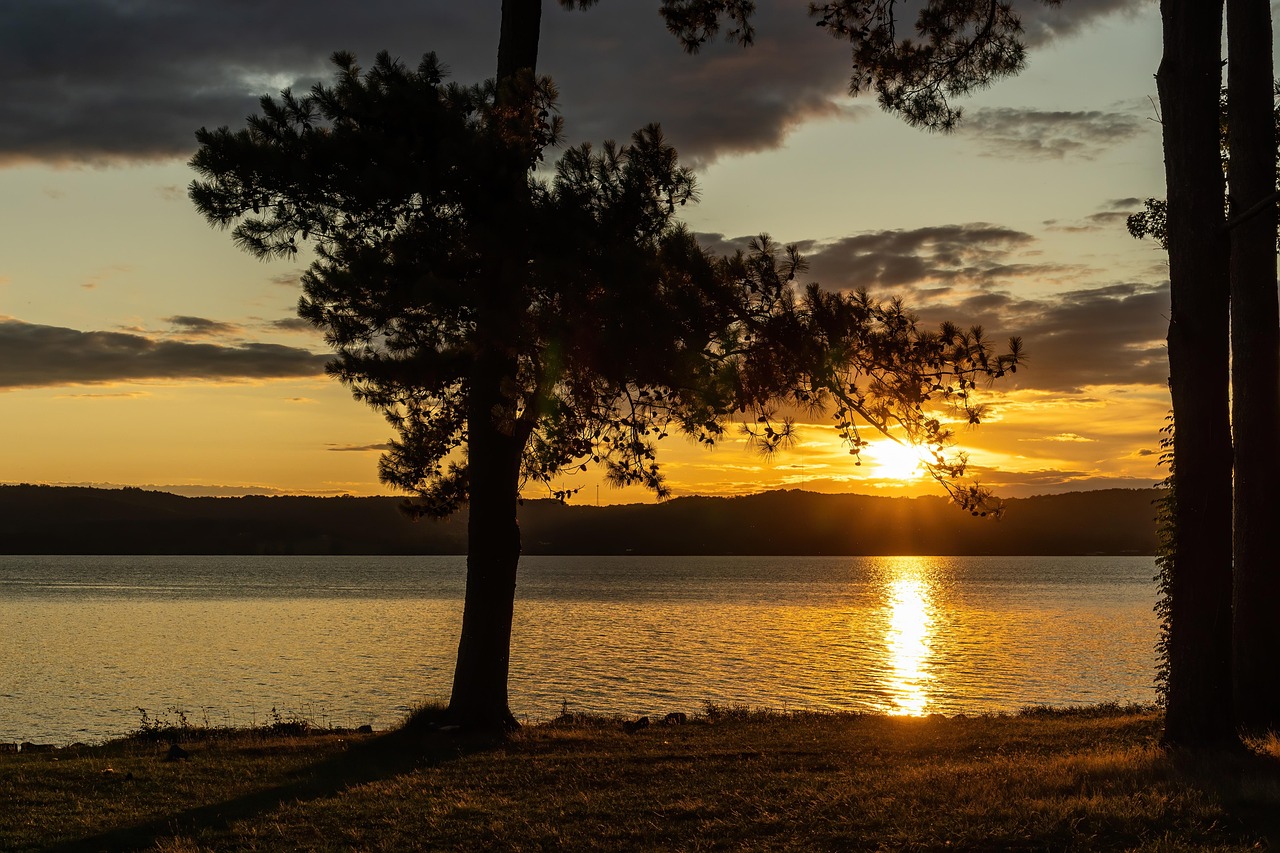
Alabama's geography is defined by massive river basins, including the Tennessee River to the north and the Mobile River system to the south. These heavily dammed rivers create sprawling, shallow reservoirs that have become prime real estate for Hydrilla verticillata.
The invasion in Alabama perfectly illustrates the complex relationship between invasive aquatic plants and the recreational fishing industry. While hydrilla provides excellent cover for largemouth bass, it simultaneously threatens the multi-million dollar hydroelectric infrastructure that created the lakes in the first place.
Major Affected Waterbodies
- Lake Guntersville: The crown jewel of Alabama bass fishing. Hydrilla here is both revered and hated. The Tennessee Valley Authority (TVA) spends millions annually spraying herbicides just to keep boat lanes and marinas accessible, while anglers fiercely defend the weed beds.
- Wheeler Lake: Another Tennessee River impoundment downstream from Guntersville that has seen explosive hydrilla growth in its shallow flats.
- Mobile Delta: In southern Alabama, hydrilla competes with both native vegetation and other invasive species like water hyacinth in the sprawling, tidal Mobile-Tensaw Delta.
Management Challenges
Managing hydrilla in Alabama is exceptionally difficult due to flow rates. Because the major infestations are in run-of-the-river reservoirs, using whole-lake systemic herbicides like fluridone is often ineffective—the chemical simply washes downstream before it can kill the plant.
Therefore, authorities rely heavily on fast-acting contact herbicides (like diquat or endothall) applied via airboat to target specific problem areas like marinas, swimming beaches, and municipal water intakes.
Explore Related Topics
References
Information presented on this page is supported by peer-reviewed research, federal agencies, and state resource management programs.
- U.S. Geological Survey (USGS) – Nonindigenous Aquatic Species Databasehttps://nas.er.usgs.gov
- U.S. Army Corps of Engineers – Aquatic Plant Control Research Programhttps://www.erdc.usace.army.mil
- NOAA Aquatic Invasive Species Programhttps://www.noaa.gov