Hydrilla Distribution in California
Overview of Hydrilla verticillata distribution in California, including irrigation canal presence, reservoir infestations, ecological impact, and management programs.
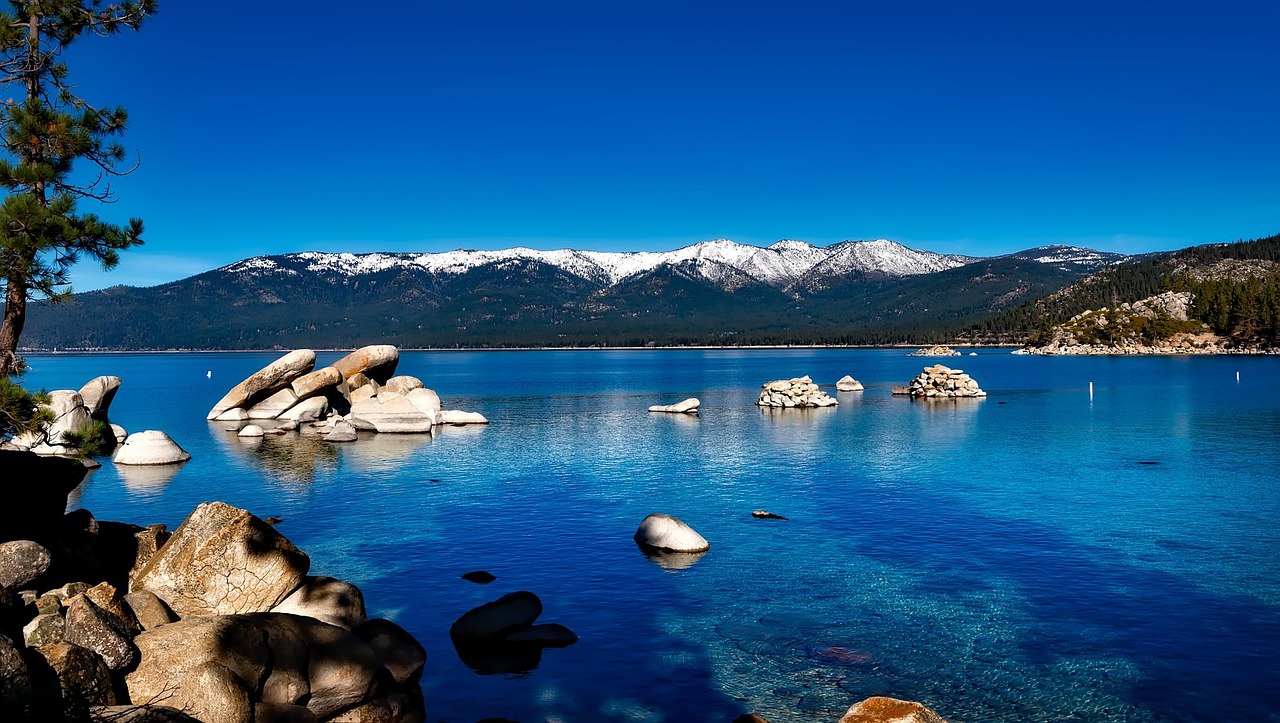
Overview of Hydrilla in California
Hydrilla verticillata has been documented in select freshwater systems in California, particularly within irrigation canals, reservoirs, and managed waterways. The state’s extensive water infrastructure creates environments that may support vegetative establishment under suitable conditions.
Because California plays a critical role in western water distribution and agricultural irrigation, monitoring of invasive aquatic vegetation is of high regulatory importance.
A comprehensive species overview is available in the Hydrilla master guide.
Historical Introduction and Detection
Hydrilla detections in California have historically been associated with irrigation canals, water transfer systems, and localized freshwater reservoirs.
Western spread patterns differ from southeastern states due to arid climate conditions and reliance on managed water conveyance systems.
Hydrilla’s vegetative reproduction mechanisms, including tuber production and stem fragmentation, enable persistence even under mechanical disturbance.
Reproductive strategies are detailed in the Hydrilla biology section.
Major Affected Water Systems
Documented occurrences in California have involved:
- Central Valley irrigation canals
- Managed agricultural water conveyance systems
- Select reservoirs and impoundments
Irrigation canals provide slow-moving water with stable depth, conditions that can support vegetative colonization if introduced.
Management and Regulatory Response
California agencies prioritize early detection and rapid response strategies to prevent widespread establishment.
Management tools may include:
- Targeted herbicide treatments in canals
- Mechanical removal in controlled environments
- Monitoring of irrigation infrastructure
Detailed control methods are available in the Hydrilla control section.
Ecological Impact in California
In canal systems, dense Hydrilla growth can impede water flow and affect irrigation efficiency. In reservoirs, canopy formation may influence dissolved oxygen levels and native plant communities.
Because western freshwater systems are often heavily managed, invasive aquatic vegetation can have operational as well as ecological implications.
Broader ecological consequences are discussed in the Hydrilla impact section.
Current Status and Monitoring
Hydrilla occurrences in California have generally been managed through aggressive monitoring and treatment programs to prevent large-scale establishment.
Continued surveillance of irrigation canals and managed reservoirs remains a priority to limit spread.
Additional regional profiles are available in the Hydrilla distribution hub.
References
Information presented on this page is supported by peer-reviewed research, federal agencies, and state resource management programs.
- U.S. Geological Survey (USGS) – Nonindigenous Aquatic Species Databasehttps://nas.er.usgs.gov
- U.S. Army Corps of Engineers – Aquatic Plant Control Research Programhttps://www.erdc.usace.army.mil
- NOAA Aquatic Invasive Species Programhttps://www.noaa.gov