Hydrilla Distribution in South Carolina
Overview of Hydrilla verticillata distribution in South Carolina, including historical spread, major reservoir systems, ecological effects, and management strategies.
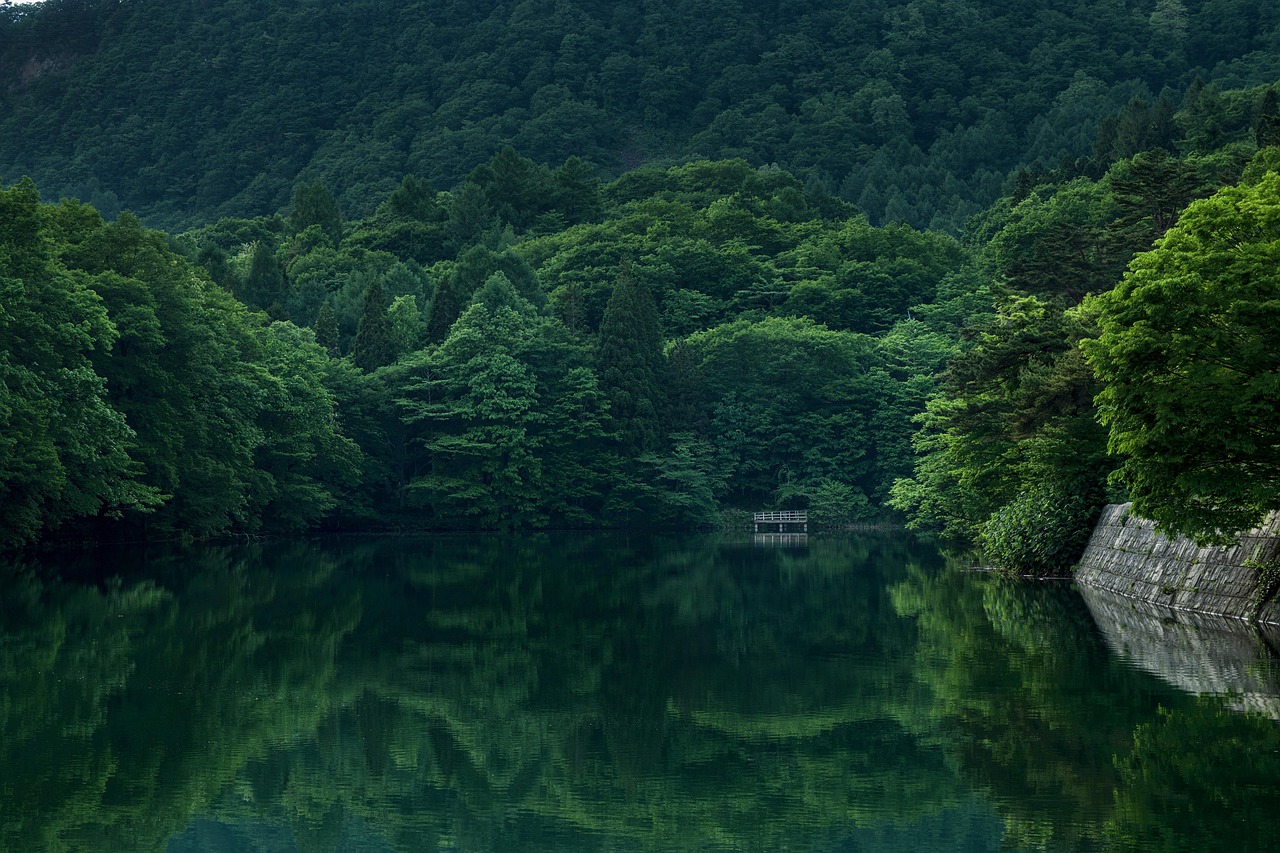
Overview of Hydrilla in South Carolina
Hydrilla verticillata is well established in several major freshwater systems across South Carolina. The state’s warm climate, extensive reservoir infrastructure, and nutrient-rich waters provide favorable conditions for vegetative growth and canopy formation.
South Carolina’s interconnected river basins and large impoundments have supported both initial colonization and long-term persistence.
A comprehensive biological overview of the species is available in the Hydrilla master guide.
Historical Introduction and Spread
Hydrilla spread into South Carolina through regional expansion from neighboring southeastern states and via recreational watercraft movement.
Reservoir construction during the mid-20th century created stable aquatic environments that facilitated colonization.
Vegetative reproduction through tubers, turions, and fragmentation enables rapid reestablishment following disturbance.
Major Affected Waterbodies
Hydrilla has been documented in several major South Carolina reservoirs and freshwater systems, including:
- Lake Murray
- Lake Marion
- Lake Moultrie
- Santee River system
- Various Piedmont reservoirs
These systems provide extensive shallow habitat that supports dense plant growth.
Management and Control Programs
South Carolina utilizes integrated management strategies designed to balance fisheries habitat with navigational access and ecosystem stability.
Control efforts may include:
- Targeted herbicide treatments
- Triploid grass carp stocking
- Mechanical harvesting in high-use areas
Detailed management strategies are available in the Hydrilla control section.
Ecological Impact in South Carolina
Hydrilla can alter aquatic habitat structure, influence dissolved oxygen levels, and affect fish community composition.
While moderate vegetation may enhance habitat complexity, excessive canopy development can reduce native plant diversity and restrict navigation.
Broader ecological implications are discussed in the Hydrilla impact section.
Current Status and Monitoring
Hydrilla remains present in multiple South Carolina reservoirs. Management intensity varies depending on recreational use and ecological objectives.
Monitoring programs track vegetation density, treatment effectiveness, and long-term ecosystem impacts.
Additional regional profiles are available in the Hydrilla distribution hub.
References
Information presented on this page is supported by peer-reviewed research, federal agencies, and state resource management programs.
- U.S. Geological Survey (USGS) – Nonindigenous Aquatic Species Databasehttps://nas.er.usgs.gov
- U.S. Army Corps of Engineers – Aquatic Plant Control Research Programhttps://www.erdc.usace.army.mil
- NOAA Aquatic Invasive Species Programhttps://www.noaa.gov