Hydrilla Distribution in Nevada
Overview of Hydrilla verticillata distribution in Nevada, including Colorado River system considerations, reservoir risk, ecological impact, and management strategies.
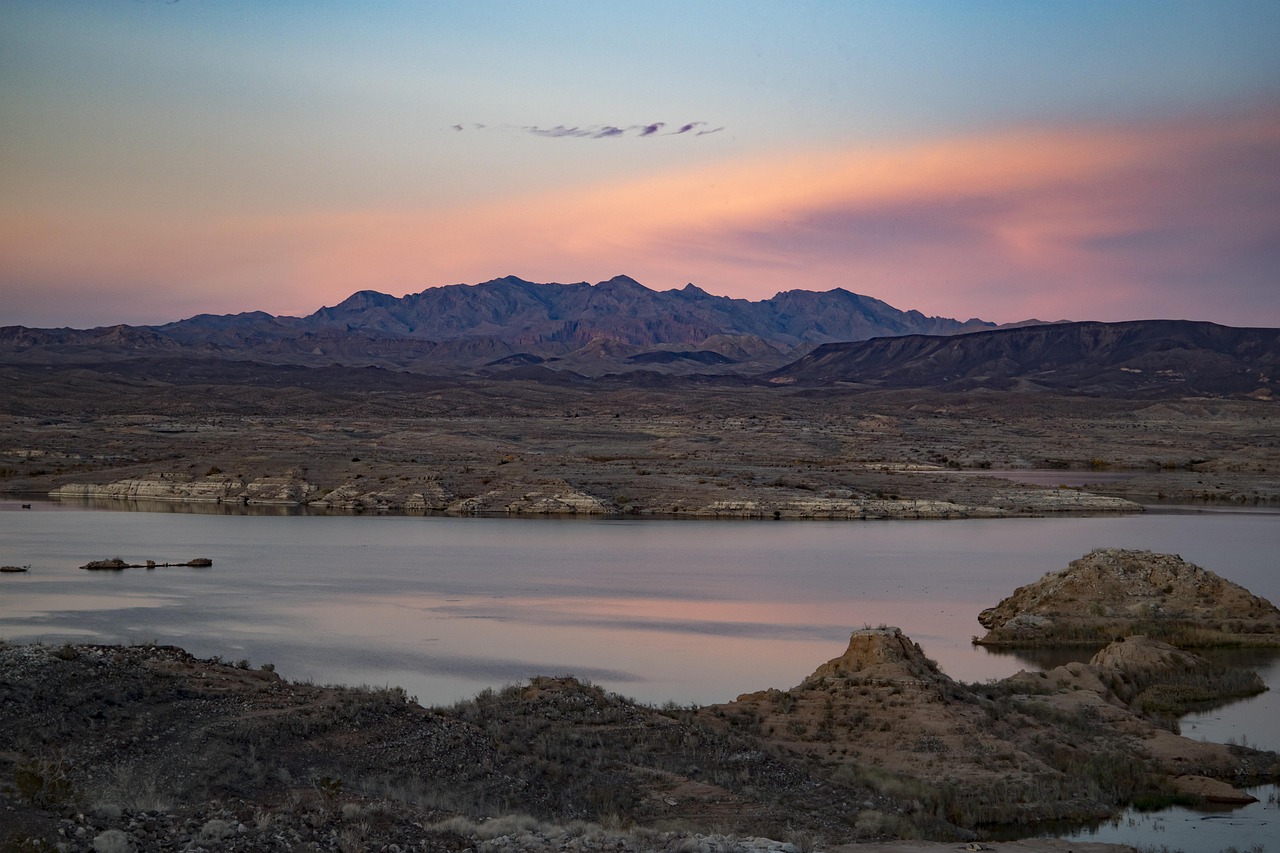
Overview of Hydrilla in Nevada
Hydrilla verticillata has not become widely established in Nevada, but the state’s reservoir systems and Colorado River infrastructure represent potential pathways for introduction.
Nevada’s arid climate limits natural aquatic vegetation growth; however, managed reservoirs and irrigation systems may provide suitable habitat if propagules are introduced.
A full biological overview of the species is available in the Hydrilla master guide.
Introduction Risk Pathways
Potential introduction pathways in Nevada include:
- Recreational boating on interstate reservoirs
- Water transfers within the Colorado River system
- Aquarium plant releases
Once introduced, Hydrilla can reproduce vegetatively through tubers, turions, and stem fragments, enabling persistence even in highly managed systems.
Reproductive mechanisms are detailed in the Hydrilla biology section.
Major Water Systems at Risk
Key Nevada water systems where invasive aquatic vegetation could pose concern include:
- Lake Mead (shared with Arizona)
- Colorado River-connected reservoirs
- Southern Nevada irrigation canals
These systems support recreation, municipal supply, and water conveyance, making invasive species monitoring a priority.
Management and Prevention Strategies
Nevada agencies prioritize prevention, inspection, and early detection to reduce the likelihood of Hydrilla establishment.
Strategies may include:
- Boat inspection and decontamination programs
- Targeted herbicide response if detected
- Ongoing reservoir vegetation monitoring
Detailed control options are outlined in the Hydrilla control section.
Ecological and Operational Considerations
In large desert reservoirs, dense aquatic vegetation could alter habitat structure and interfere with recreational use and water infrastructure operations.
Because western reservoirs are heavily engineered systems, operational impact is often a primary management concern.
Broader ecological implications are discussed in the Hydrilla impact section.
Current Status and Monitoring
As of current monitoring efforts, Hydrilla has not become widely established in Nevada. Preventative management remains the primary strategy.
Continued surveillance of high-use reservoirs and irrigation systems supports rapid response capability.
Additional state profiles are available in the Hydrilla distribution hub.
References
Information presented on this page is supported by peer-reviewed research, federal agencies, and state resource management programs.
- U.S. Geological Survey (USGS) – Nonindigenous Aquatic Species Databasehttps://nas.er.usgs.gov
- U.S. Army Corps of Engineers – Aquatic Plant Control Research Programhttps://www.erdc.usace.army.mil
- NOAA Aquatic Invasive Species Programhttps://www.noaa.gov