Hydrilla Distribution in Florida
Comprehensive overview of Hydrilla verticillata distribution in Florida, including historical introduction, major affected waterbodies, ecological impact, and long-term management strategies.
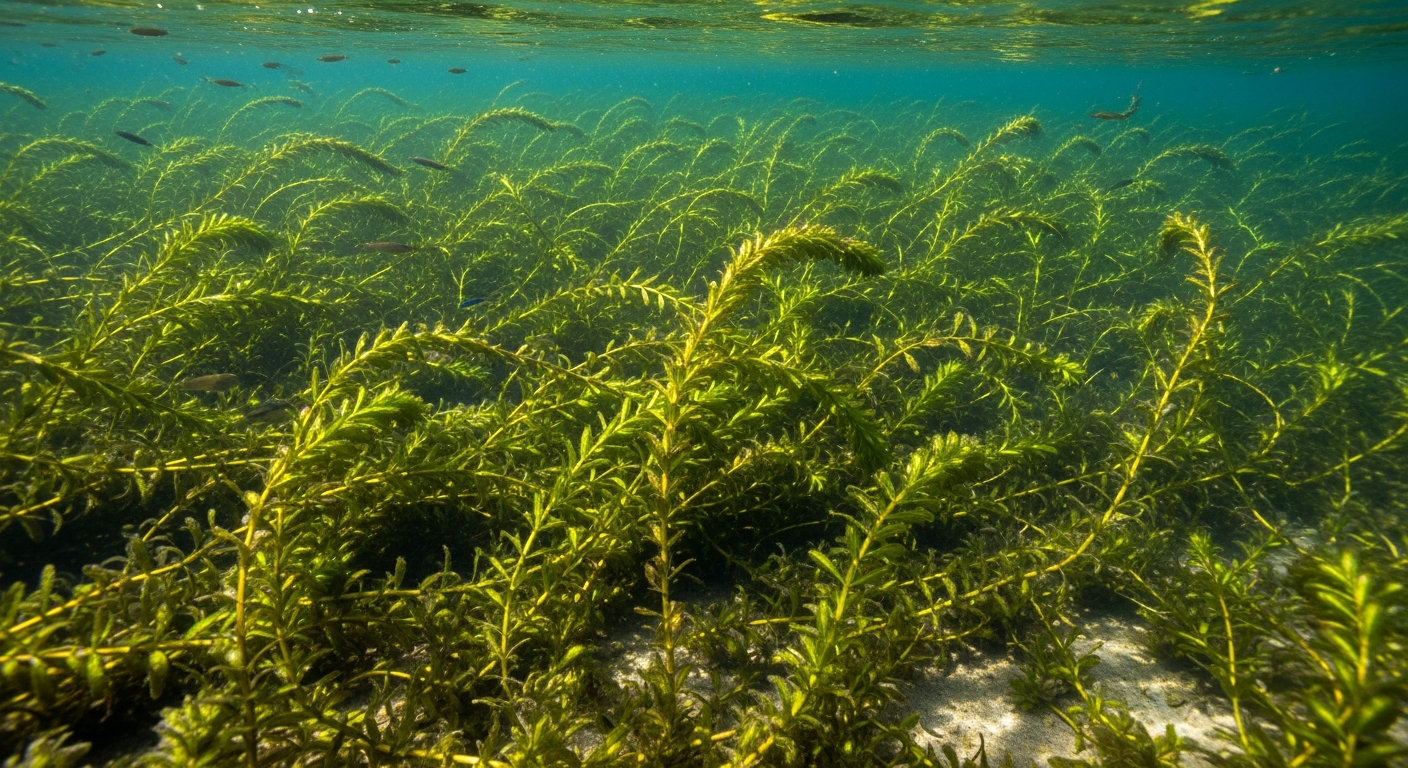
Overview of Hydrilla in Florida
Florida is the original point of introduction of Hydrilla verticillata in the United States. First detected in the 1950s, Hydrilla rapidly expanded across freshwater systems throughout the state.
The combination of warm climate, abundant shallow lakes, and interconnected waterways has allowed Hydrilla to become one of Florida’s most significant invasive aquatic plant species.
A complete biological profile of the species is available in the Hydrilla master guide.
Historical Introduction and Rapid Spread
Hydrilla was introduced into Florida through the aquarium trade. Following release into freshwater systems, the species rapidly colonized lakes and canals.
Florida’s extensive canal networks and recreational boating traffic accelerated secondary spread throughout the state.
Hydrilla’s reproductive mechanisms — including tuber production, turions, and fragmentation — enabled rapid establishment and persistence.
Detailed reproductive strategies are discussed in the Hydrilla biology section.
Major Affected Waterbodies
Hydrilla has impacted numerous Florida freshwater systems, including:
- Lake Okeechobee
- St. Johns River system
- Kissimmee Chain of Lakes
- Harris Chain of Lakes
- Lake Istokpoga
Shallow lake morphology and nutrient enrichment in some systems have contributed to large-scale canopy formation.
Management and Control Programs
Florida maintains one of the most extensive aquatic plant management programs in the United States. Integrated pest management strategies are used statewide.
Common management tools include:
- Systemic and contact herbicides
- Triploid grass carp stocking
- Mechanical harvesting in high-use areas
Long-term management is necessary due to persistent tuber banks in sediment.
Detailed treatment strategies are available in the Hydrilla control section.
Ecological Impact in Florida
Hydrilla has significantly altered aquatic habitat structure in many Florida lakes. Dense canopy formation can reduce dissolved oxygen levels and displace native submerged vegetation.
Florida was also the first state where Hydrilla-associated cyanobacteria (Aetokthonos hydrillicola) was linked to Avian Vacuolar Myelinopathy (AVM), affecting waterfowl and raptors.
Broader ecological consequences are discussed in the Hydrilla impact section.
Current Status and Monitoring
Hydrilla remains widespread in Florida freshwater systems. Management focuses on maintaining navigability, protecting fisheries, and limiting ecological disruption.
Ongoing monitoring evaluates vegetation density, treatment effectiveness, and ecological response.
Additional regional profiles are available in the Hydrilla distribution hub.
References
Information presented on this page is supported by peer-reviewed research, federal agencies, and state resource management programs.
- Langeland, K.A. (1996). Hydrilla verticillata (The Perfect Aquatic Weed). University of Florida IFAS Extension.
- Florida Fish and Wildlife Conservation Commission. Aquatic Plant Management Program.https://myfwc.com
- U.S. Geological Survey. Nonindigenous Aquatic Species Database.https://nas.er.usgs.gov
- U.S. Geological Survey (USGS) – Nonindigenous Aquatic Species Databasehttps://nas.er.usgs.gov
- U.S. Army Corps of Engineers – Aquatic Plant Control Research Programhttps://www.erdc.usace.army.mil
- NOAA Aquatic Invasive Species Programhttps://www.noaa.gov