Grass Carp for Hydrilla Control
Overview of biological control using triploid grass carp (Ctenopharyngodon idella) for managing Hydrilla verticillata infestations in freshwater systems.
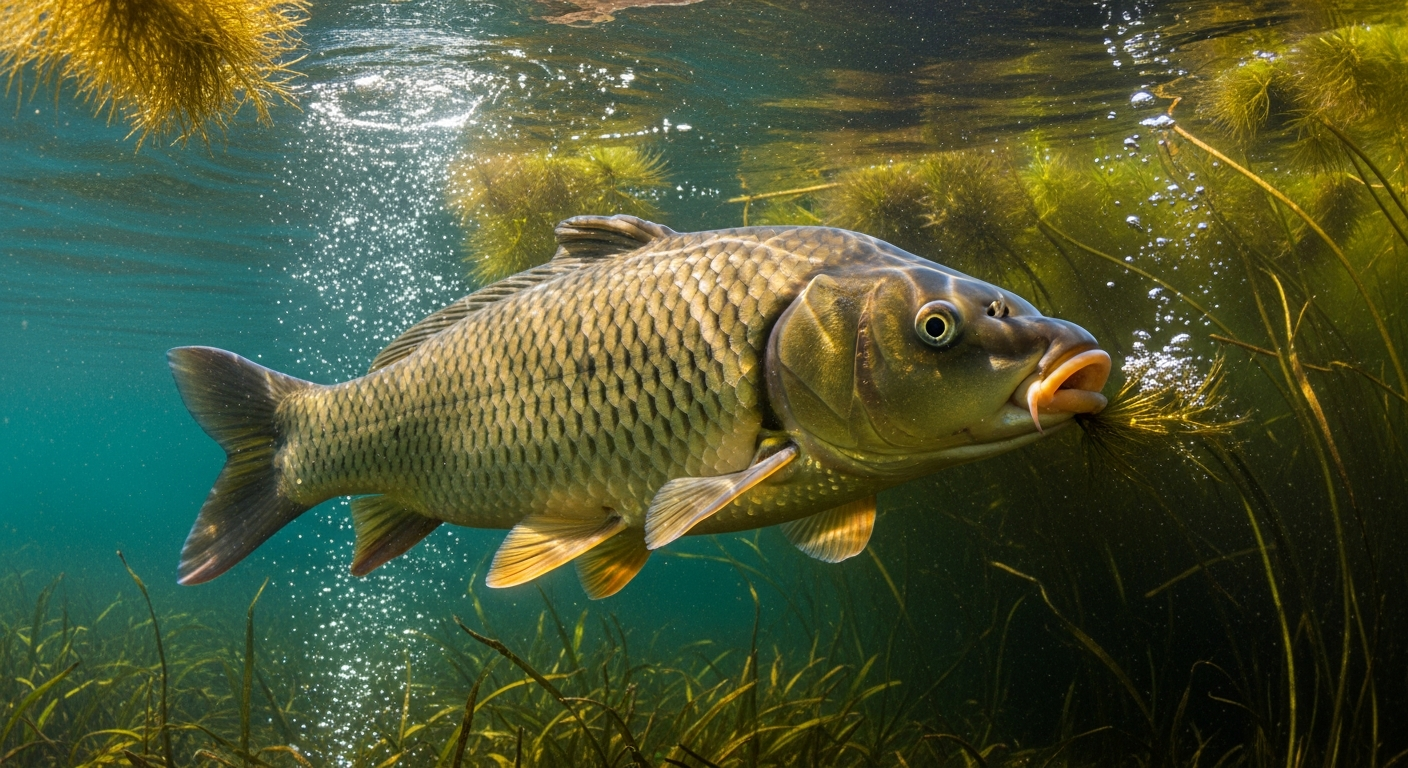
Biological Control Overview
For a detailed breakdown of pricing and stocking density, see our grass carp cost guide.
Triploid grass carp (Ctenopharyngodon idella) are widely used as a biological control agent for Hydrilla verticillata in managed freshwater systems. Unlike chemical treatments, grass carp provide continuous vegetation suppression through grazing.
Grass carp are herbivorous fish that consume submerged aquatic vegetation, including Hydrilla. When stocked at appropriate densities, they can significantly reduce biomass over time.
Grass carp are one component of integrated management. Learn more in our hydrilla control guide.
Why Triploid Grass Carp Are Used
Only triploid (sterile) grass carp are approved for stocking in most U.S. states. Triploid fish are genetically modified to prevent reproduction, reducing ecological risk.
Use of diploid (fertile) grass carp is generally prohibited due to concerns about uncontrolled population expansion and ecosystem disruption.
Stocking regulations vary by state and typically require permits from wildlife or environmental agencies.
Effectiveness Against Hydrilla
Grass carp preferentially consume Hydrilla, particularly when alternative vegetation is limited. However, feeding behavior can vary depending on plant availability and stocking density.
Biological control may take months to achieve visible results, and complete eradication is unlikely. Instead, grass carp are typically used to maintain vegetation at manageable levels.
Hydrilla’s rapid regrowth from sediment tubers can influence long-term suppression outcomes. These reproductive traits are described in the Hydrilla tuber biology section.
Ecological Considerations
While grass carp can effectively reduce Hydrilla biomass, excessive stocking may result in overgrazing of desirable native vegetation.
Removal of submerged vegetation can alter fish habitat structure, reduce nursery areas, and increase shoreline erosion.
Broader ecosystem impacts associated with vegetation loss are discussed in the Hydrilla ecological impact section.
Integration with Other Control Methods
Grass carp are most effective when incorporated into an integrated pest management (IPM) framework. Combining biological control with herbicide treatments or mechanical removal can improve long-term suppression outcomes.
Chemical control options are outlined in the herbicides section, while physical removal methods are discussed in the mechanical removal section.
Regulatory and Monitoring Requirements
Stocking triploid grass carp typically requires state permits and certified sterile fish. Monitoring programs may be required to evaluate effectiveness and prevent unintended ecological consequences.
Management planning considerations are further detailed in the lake management section.
For a broader overview of Hydrilla control strategies, visit the Hydrilla control and management overview.
References
Information presented on this page is supported by peer-reviewed research, federal agencies, and state resource management programs.
- U.S. Geological Survey (USGS) – Nonindigenous Aquatic Species Databasehttps://nas.er.usgs.gov
- U.S. Army Corps of Engineers – Aquatic Plant Control Research Programhttps://www.erdc.usace.army.mil
- NOAA Aquatic Invasive Species Programhttps://www.noaa.gov