Scientific Studies on Hydrilla
In-depth analysis and authoritative guidance regarding scientific studies on hydrilla, backed by scientific research and environmental management best practices.
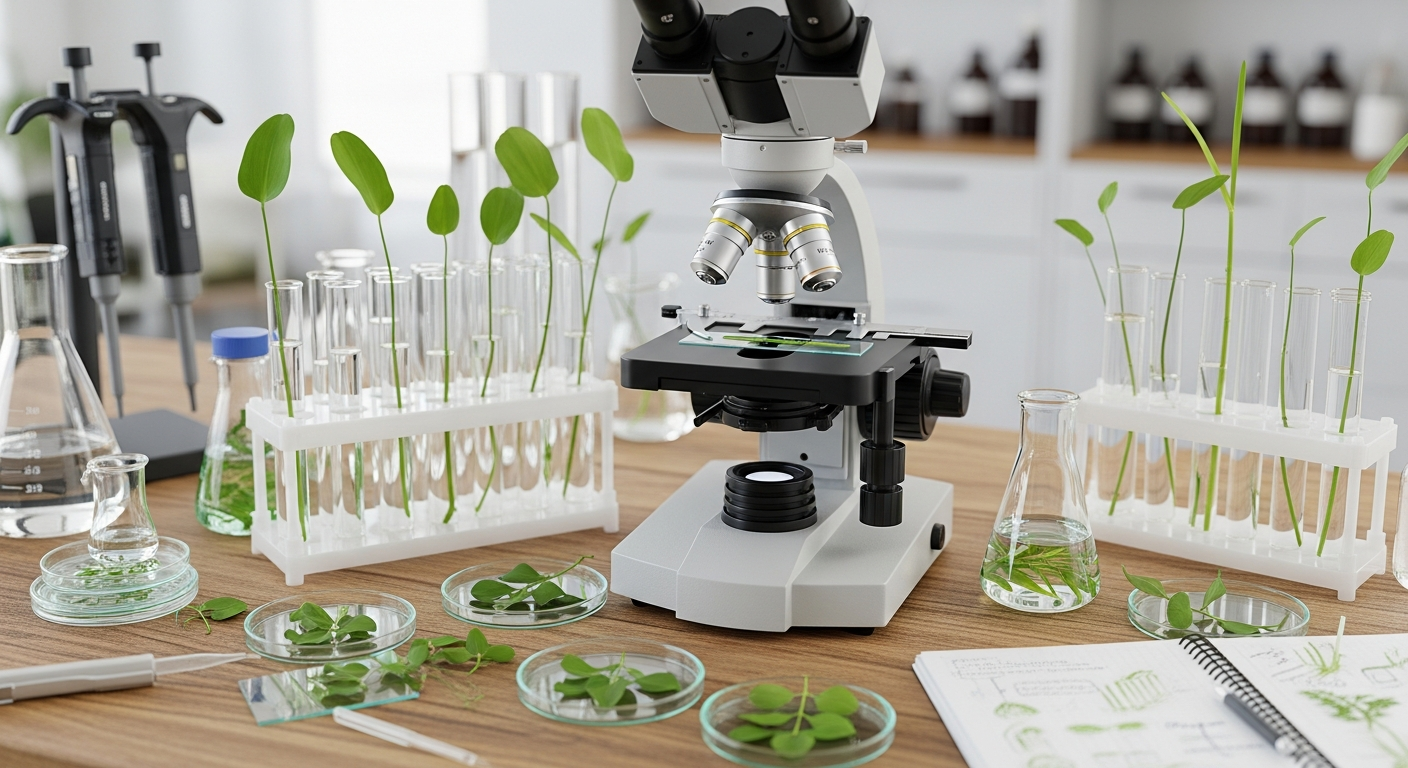
Overview of Scientific Studies on Hydrilla
When managing Hydrilla verticillata, scientific studies on hydrilla is a critical component of a comprehensive strategy. Because hydrilla is known as one of the world's most invasive aquatic weeds, its ability to dominate freshwater ecosystems is closely tied to these foundational factors. This comprehensive guide breaks down the science, the impact, and the management strategies associated with this specific aspect of the plant.
Aquatic environments rely on a delicate balance of native flora and fauna. When hydrilla is introduced, it almost immediately begins to disrupt this balance. Through a combination of rapid cellular growth, high adaptability to varying water chemistries, and aggressive reproductive strategies, the plant outcompetes native vegetation.
Research compiled from the U.S. Army Corps of Engineers and various university aquatic plant management programs indicates that proactive monitoring is always more cost-effective than reactive treatment. By identifying these characteristics early, stakeholders can deploy targeted interventions before the biomass reaches critical levels.
Key Characteristics and Impacts
The resilience of hydrilla is legendary in the botanical world. Unlike many native plants that require strict environmental conditions to thrive, hydrilla exhibits a high degree of phenotypic plasticity. This means it can alter its physical growth habit depending on the environmental pressures it faces—whether that be low light, varying temperatures, or nutrient availability.
- Rapid Adaptation: Hydrilla quickly adjusts to new environments.
- Systemic Impact: Affects both water chemistry and native habitats.
- Management Challenges: Requires integrated approaches rather than single solutions.
These ecological shifts represent a fundamental restructuring of the aquatic environment. When native habitats are transformed into monocultures, biodiversity plummets. Birds that rely on specific native fish or plants migrate elsewhere, and the overall health of the watershed is compromised.
Explore Related Topics
References
Information presented on this page is supported by peer-reviewed research, federal agencies, and state resource management programs.
- U.S. Geological Survey (USGS) – Nonindigenous Aquatic Species Databasehttps://nas.er.usgs.gov
- U.S. Army Corps of Engineers – Aquatic Plant Control Research Programhttps://www.erdc.usace.army.mil
- NOAA Aquatic Invasive Species Programhttps://www.noaa.gov