Hydrilla in Arizona: Desert Waterways at Risk
Learn how hydrilla threatens Arizona's highly engineered water infrastructure, irrigation canals, and isolated desert reservoirs.
The Infrastructure Threat
Unlike the Southeast, where Hydrilla verticillata is primarily a threat to natural lakes and recreational fisheries, the threat in Arizona is almost entirely infrastructural.
Arizona's economy and agriculture depend heavily on highly engineered, concrete-lined water conveyance systems, such as the Central Arizona Project (CAP), to move water from the Colorado River to major metropolitan areas like Phoenix and Tucson. If hydrilla takes root in these slow-moving, sun-drenched canals, the resulting biomass can severely restrict water flow and cause massive economic damage.
Vulnerable Desert Systems
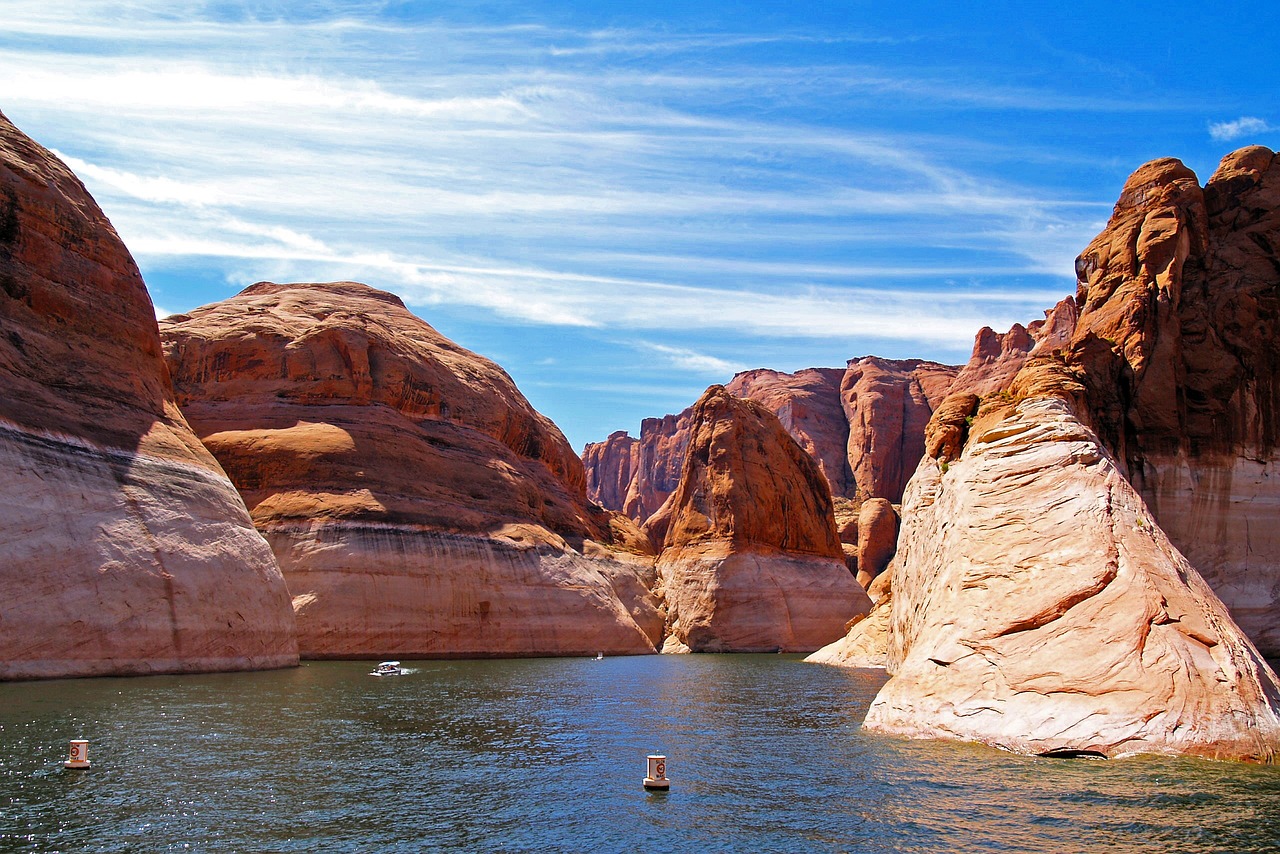
- The Colorado River System: The massive reservoirs along the Colorado River (like Lake Havasu and Lake Mohave) provide prime shallow-water habitat for aquatic weeds and serve as vectors for further spread into the state's interior.
- Central Arizona Project (CAP): A 336-mile diversion canal that provides water to over 80% of the state's population. Keeping this system clear of invasive aquatic weeds is a top priority for state authorities.
- Isolated Urban Lakes: Smaller, man-made recreational lakes in urban areas (like those in the Phoenix metro) often struggle with hydrilla introduced via the illegal dumping of aquariums.
Prevention Over Mitigation
Because water is such a scarce and heavily managed resource in Arizona, the state focuses heavily on prevention and rapid eradication rather than long-term "maintenance control."
Arizona Game and Fish utilizes aggressive "Clean, Drain, Dry" campaigns at major boat ramps. If hydrilla is detected in an urban lake or canal, authorities quickly deploy targeted aquatic herbicides and, where appropriate, heavily stock sterile grass carp (white amur) to eliminate the plant before it can spread into municipal drinking supplies.
Explore Related Topics
References
Information presented on this page is supported by peer-reviewed research, federal agencies, and state resource management programs.
- U.S. Geological Survey (USGS) – Nonindigenous Aquatic Species Databasehttps://nas.er.usgs.gov
- U.S. Army Corps of Engineers – Aquatic Plant Control Research Programhttps://www.erdc.usace.army.mil
- NOAA Aquatic Invasive Species Programhttps://www.noaa.gov