Hydrilla in Nevada: Protecting Lake Mead
Understand the high-stakes effort to keep hydrilla out of Lake Mead and the greater Colorado River system in Nevada.
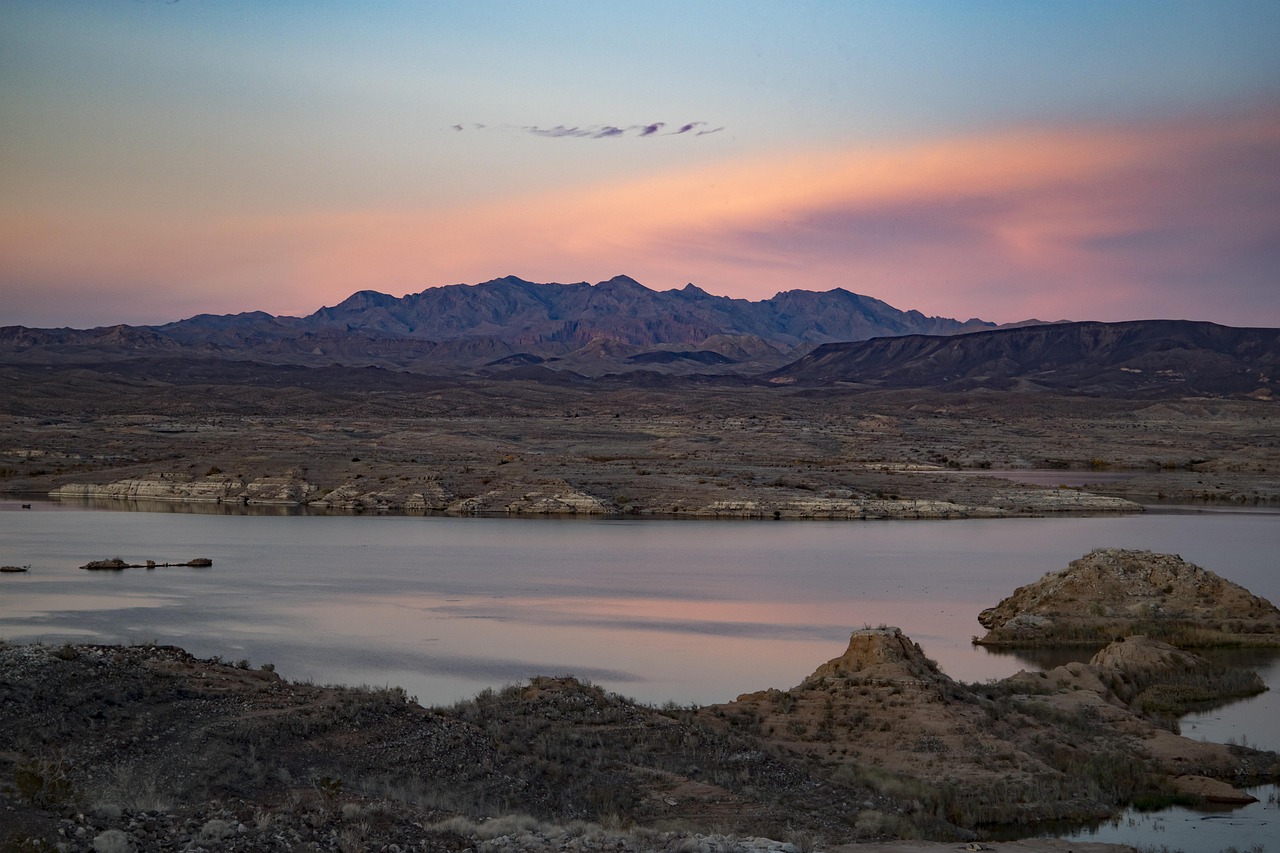
A Border on High Alert
Unlike the heavily infested states in the Southeast, Nevada currently operates in a state of high-alert prevention. The state's arid environment limits natural aquatic plant growth, but the massive, engineered reservoirs of the Colorado River system provide a highly vulnerable target for Hydrilla verticillata.
Because Nevada's economy and drinking water—particularly the Las Vegas metropolitan area—are inextricably tied to the health of Lake Mead and the Hoover Dam, preventing an aquatic weed invasion is a matter of statewide security.
The Threat to Lake Mead
Lake Mead, the largest reservoir in the United States by capacity, is shared between Nevada and Arizona. It faces significant threats from invasive species, most notably Quagga mussels, but hydrilla represents an equally devastating potential vector.
- Infrastructure Clogging: Hydrilla's rapid growth could foul the massive intake pipes that supply municipal water to Southern Nevada.
- Recreational Impact: Millions of people visit the Lake Mead National Recreation Area annually. Dense surface mats would cripple boating, sailing, and marina access.
- The Downstream Threat: If established in Lake Mead, hydrilla fragments would inevitably wash downstream through the Hoover Dam into Lake Mohave, threatening the entire lower Colorado River basin.
Inspection and Prevention
Nevada's primary defense against hydrilla is its aggressive Aquatic Invasive Species (AIS) program. The Nevada Department of Wildlife (NDOW), in cooperation with the National Park Service, operates mandatory boat inspection and decontamination stations.
These stations focus on the "Clean, Drain, Dry" protocol, ensuring that boats arriving from infested states (like Texas, California, or the Southeast) do not carry hydrilla fragments or tubers on their trailers or in their livewells. Early detection and rapid deployment of aquatic herbicides remain the only fail-safes if an introduction occurs.
Explore Related Topics
References
Information presented on this page is supported by peer-reviewed research, federal agencies, and state resource management programs.
- U.S. Geological Survey (USGS) – Nonindigenous Aquatic Species Databasehttps://nas.er.usgs.gov
- U.S. Army Corps of Engineers – Aquatic Plant Control Research Programhttps://www.erdc.usace.army.mil
- NOAA Aquatic Invasive Species Programhttps://www.noaa.gov