Hydrilla in Tennessee: The TVA Reservoir Battles
Discover how the Tennessee Valley Authority combats massive hydrilla infestations across the state's famous hydroelectric reservoirs.
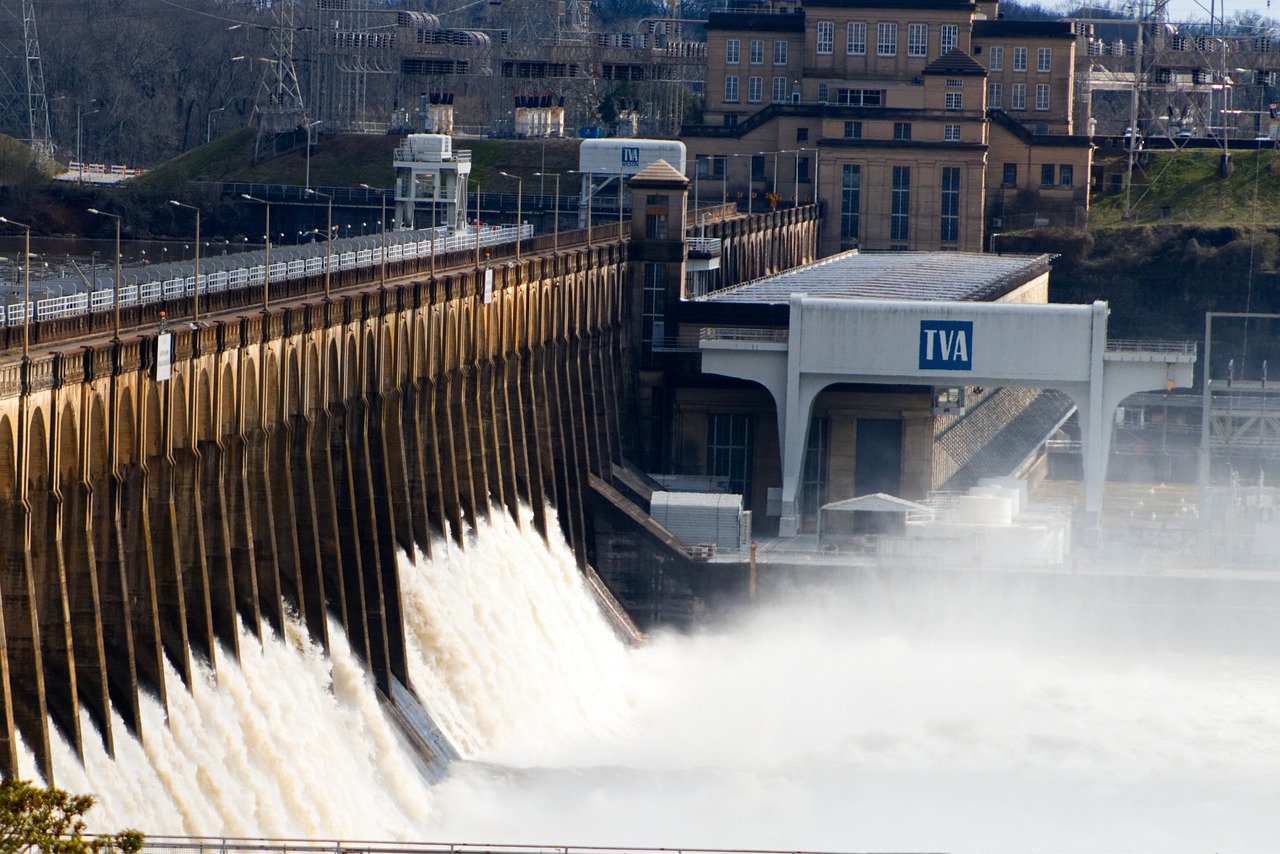
The TVA Reservoir System
The story of Hydrilla verticillata in Tennessee is inextricably linked to the Tennessee Valley Authority (TVA). The massive dams built in the mid-20th century transformed wild, fast-flowing rivers into enormous, slow-moving, shallow reservoirs—the exact habitat hydrilla requires to thrive.
Introduced by recreational boaters traveling from the south, hydrilla found nearly unlimited real estate in the vast, nutrient-rich flats of these impoundments. Today, it presents one of the largest ongoing operational challenges for the TVA.
High-Profile Infestations
- Lake Chickamauga: Near Chattanooga, this lake is famous for producing giant bass, largely due to its massive hydrilla beds. The TVA constantly battles the weed to keep the numerous public boat ramps and private docks accessible.
- Kentucky Lake: The largest artificial lake by surface area east of the Mississippi River. Hydrilla (along with invasive Asian Carp) has dramatically altered the ecology of this massive reservoir.
- Pickwick Lake: A border-straddling reservoir where the TVA must coordinate management efforts closely with agencies in Alabama and Mississippi.
Balancing Recreation and Infrastructure
The TVA walks a constant tightrope. On one side are the tournament bass anglers and local economies that depend on the fishery supported by hydrilla. On the other side are homeowners who cannot get their boats off their docks, and the TVA engineers who must keep hydroelectric intake screens clear of floating weed mats.
To manage this, the TVA rarely attempts total eradication. Instead, they use GPS-guided airboats to apply targeted contact herbicides strictly to high-use areas—marinas, swimming beaches, and boat lanes—while leaving the massive flats untouched for fish habitat.
Explore Related Topics
References
Information presented on this page is supported by peer-reviewed research, federal agencies, and state resource management programs.
- U.S. Geological Survey (USGS) – Nonindigenous Aquatic Species Databasehttps://nas.er.usgs.gov
- U.S. Army Corps of Engineers – Aquatic Plant Control Research Programhttps://www.erdc.usace.army.mil
- NOAA Aquatic Invasive Species Programhttps://www.noaa.gov