Hydrilla in Virginia: The Potomac River Basin
Examine the expansion of the monoecious hydrilla biotype through Virginia's reservoirs and into the tidal freshwater of the Chesapeake Bay watershed.
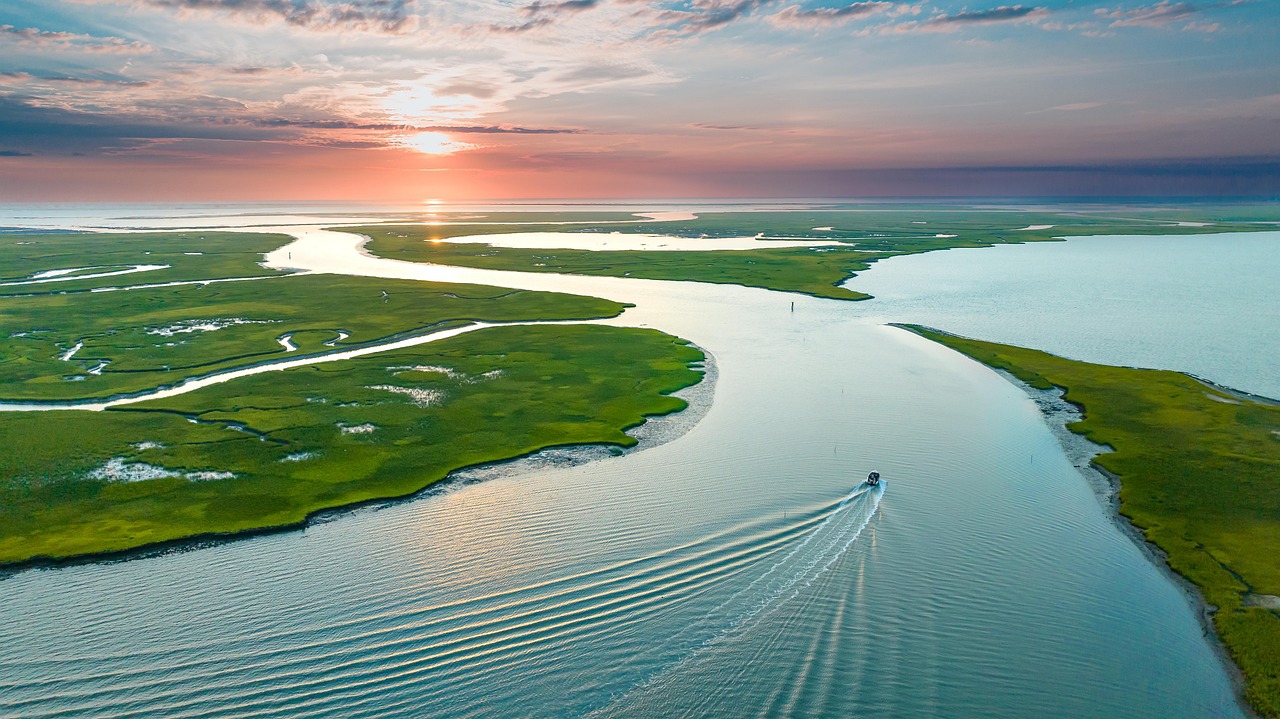
The Mid-Atlantic Invasion
Virginia represents a unique battleground for Hydrilla verticillata. The state is firmly in the monoecious zone—meaning the plant acts as a summer annual, dying back in the winter and sprouting anew from tubers in the spring.
The weed has heavily impacted major inland reservoirs (like Lake Anna and Smith Mountain Lake), but its most famous—and controversial—presence is in the tidal freshwater tributaries of the Chesapeake Bay.
The Potomac River Debate
Hydrilla arrived in the Potomac River near Washington D.C. in the early 1980s. Its rapid spread ignited a massive debate that continues today.
- The Positives: Before hydrilla arrived, the Potomac was highly polluted and devoid of native submerged aquatic vegetation (SAV). Hydrilla acts as a massive filter, trapping sediment and clearing the water. It also created a world-class largemouth bass fishery seemingly overnight.
- The Negatives: It creates impenetrable surface mats that block marinas, restrict sailing and rowing clubs, and aggressively outcompetes native eelgrass and wild celery.
- Management: Authorities generally allow hydrilla to remain in the main river channels for ecological benefits, but actively harvest or spray it around marinas and public access points.
Inland Reservoir Management
Away from the tidal rivers, Virginia's inland reservoirs face the same recreational threats as lakes further south. In Lake Anna, hydrilla threatens property values and boat access, leading to highly organized homeowner associations funding treatment programs.
Because of the high flow rates in rivers, grass carp are strictly prohibited in the Chesapeake watershed to prevent them from escaping. However, they are occasionally permitted in closed, inland lakes under strict state supervision.
Explore Related Topics
References
Information presented on this page is supported by peer-reviewed research, federal agencies, and state resource management programs.
- U.S. Geological Survey (USGS) – Nonindigenous Aquatic Species Databasehttps://nas.er.usgs.gov
- U.S. Army Corps of Engineers – Aquatic Plant Control Research Programhttps://www.erdc.usace.army.mil
- NOAA Aquatic Invasive Species Programhttps://www.noaa.gov