Hydrilla Distribution in Virginia
Overview of Hydrilla verticillata distribution in Virginia, including historical introduction, affected waterbodies, Chesapeake watershed presence, and management programs.
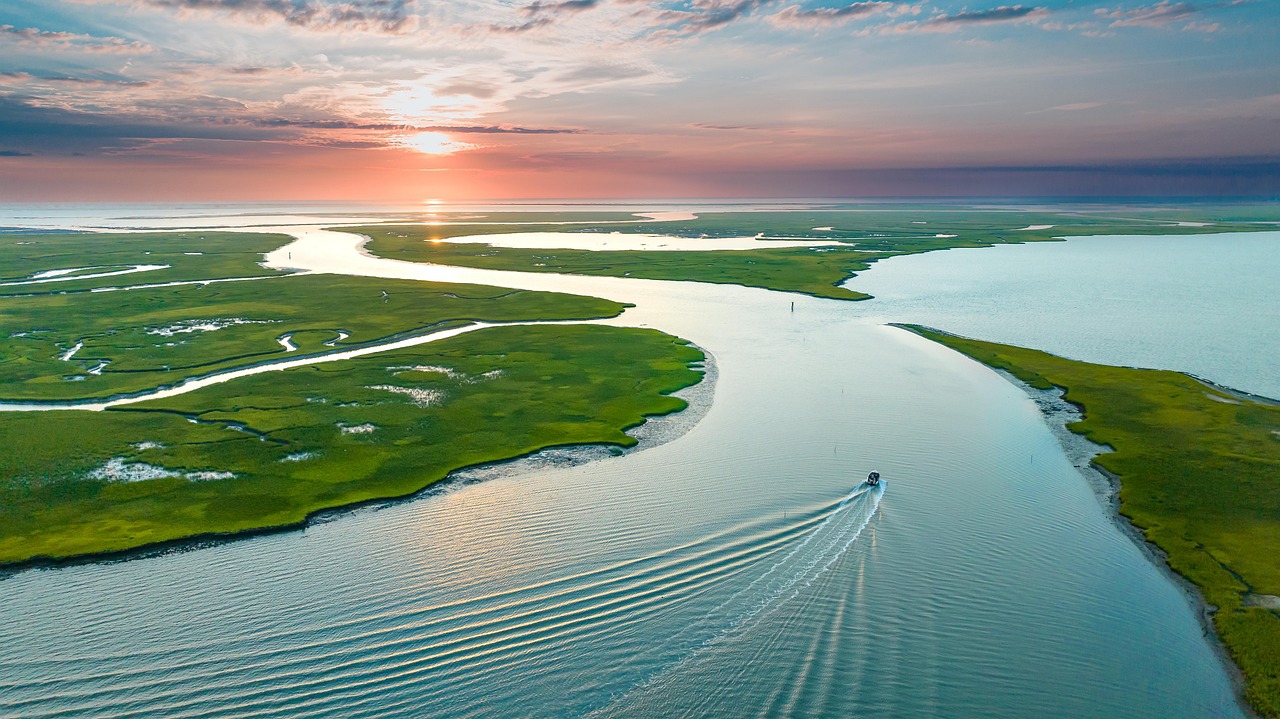
Overview of Hydrilla in Virginia
Hydrilla verticillata is present in multiple freshwater systems across Virginia, including inland reservoirs and portions of the Chesapeake Bay watershed. The state’s temperate climate and interconnected river systems provide suitable habitat for vegetative growth and persistence.
Virginia represents an important Mid-Atlantic region for monitoring Hydrilla expansion due to its connection to both southern and northeastern aquatic systems.
A comprehensive species overview is available in the Hydrilla master guide.
Historical Introduction and Spread
Hydrilla spread into Virginia through regional expansion from southeastern states and via movement of recreational boats between reservoirs and river systems.
Once established, Hydrilla persists through vegetative reproduction, including subterranean tubers and stem fragmentation, enabling reestablishment even after management intervention.
Reproductive mechanisms are detailed in the Hydrilla biology section.
Major Affected Waterbodies
Hydrilla has been documented in several Virginia freshwater systems, including:
- Lake Gaston (shared with North Carolina)
- Smith Mountain Lake
- Buggs Island (Kerr Reservoir)
- Tidal freshwater segments of the Potomac River
- Chesapeake Bay tributaries
Reservoirs and tidal freshwater systems provide shallow habitat conducive to vegetative canopy formation.
Management and Control Programs
Virginia agencies implement integrated aquatic vegetation management programs designed to protect fisheries, maintain navigability, and support water quality objectives.
Management approaches may include:
- Selective herbicide applications
- Biological control through triploid grass carp
- Mechanical harvesting in targeted areas
Detailed control strategies are outlined in the Hydrilla control section.
Ecological Impact in Virginia
Hydrilla can significantly influence aquatic habitat structure, affecting light penetration, dissolved oxygen dynamics, and native vegetation composition.
In tidal freshwater systems, dense growth may alter hydrodynamics and sediment transport patterns.
Broader ecological consequences are discussed in the Hydrilla impact section.
Current Status and Monitoring
Hydrilla remains present in select Virginia reservoirs and portions of the Chesapeake watershed. Management intensity varies depending on ecological priorities and recreational use.
Ongoing monitoring evaluates vegetation density, treatment effectiveness, and ecosystem response.
Additional state profiles are available in the Hydrilla distribution hub.
References
Information presented on this page is supported by peer-reviewed research, federal agencies, and state resource management programs.
- U.S. Geological Survey (USGS) – Nonindigenous Aquatic Species Databasehttps://nas.er.usgs.gov
- U.S. Army Corps of Engineers – Aquatic Plant Control Research Programhttps://www.erdc.usace.army.mil
- NOAA Aquatic Invasive Species Programhttps://www.noaa.gov