Most Affected States by Hydrilla in the US
Explore which U.S. states are battling the worst hydrilla infestations, focusing on the historical epicenters in the Southeast and the expansion into the North and West.
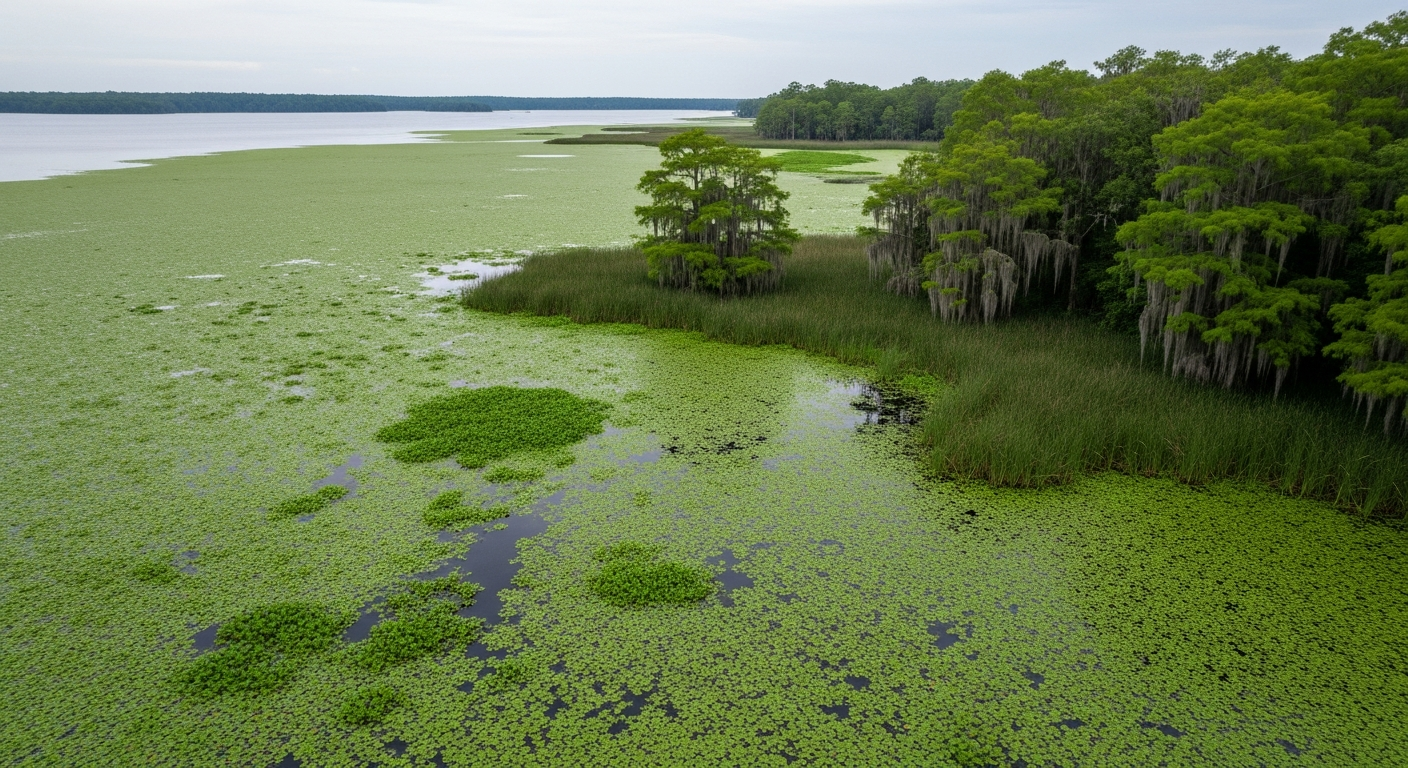
The Epicenters of the Hydrilla Invasion
While Hydrilla verticillata has been confirmed in over 30 states, the severity of the infestations is far from equal. The environmental conditions, the specific biotype of hydrilla present, and the density of interconnected waterways dictate how badly a state is affected.
Historically, the Sunbelt states have borne the brunt of the ecological and economic damage. However, the discovery of the cold-tolerant monoecious strain has pushed the frontlines of the battle much further north.
The Deep South: Ground Zero
The southern United States is dominated by the dioecious biotype of hydrilla, which thrives in warm waters and can grow year-round in mild winters.
- Florida: The unquestioned epicenter. Introduced in the 1950s near Tampa, hydrilla exploded across the state's shallow, nutrient-rich lakes. The state spends tens of millions annually to keep critical water bodies like Lake Okeechobee navigable.
- Texas: Texas reservoirs, such as Lake Conroe and Sam Rayburn, have seen massive hydrilla blooms. The warm climate and deep reservoirs provide massive littoral zones for the weed to exploit.
- Georgia & Alabama: Major river-run reservoirs like Lake Seminole and Lake Guntersville have long histories of battling severe hydrilla infestations that threaten their highly lucrative bass fishing industries.
The Northern and Western Fronts
The introduction of the monoecious biotype in the Potomac River basin in the 1980s changed the map. This strain acts more like a perennial, dying back to its tubers in the winter and sprouting aggressively in the spring, allowing it to survive harsh northern winters.
- North Carolina & Virginia: Lakes like Lake Gaston (straddling the border) require massive, coordinated, multi-million dollar annual treatments to prevent hydrilla from choking out the reservoir.
- New York: The discovery of hydrilla in the Cayuga Lake inlet (part of the Finger Lakes) triggered a massive, multi-year eradication effort by the state DEC and the Army Corps of Engineers to prevent it from spreading through the Great Lakes basin.
- California & Washington: Hydrilla has successfully crossed the Continental Divide, establishing localized populations in California and the Pacific Northwest, where rapid-response eradication teams fight to contain it.
Explore Related Topics
References
Information presented on this page is supported by peer-reviewed research, federal agencies, and state resource management programs.
- U.S. Geological Survey (USGS) – Nonindigenous Aquatic Species Databasehttps://nas.er.usgs.gov
- U.S. Army Corps of Engineers – Aquatic Plant Control Research Programhttps://www.erdc.usace.army.mil
- NOAA Aquatic Invasive Species Programhttps://www.noaa.gov