Hydrilla Distribution in Louisiana
Overview of Hydrilla verticillata distribution in Louisiana, including historical spread, affected freshwater systems, management strategies, and ecological impact.
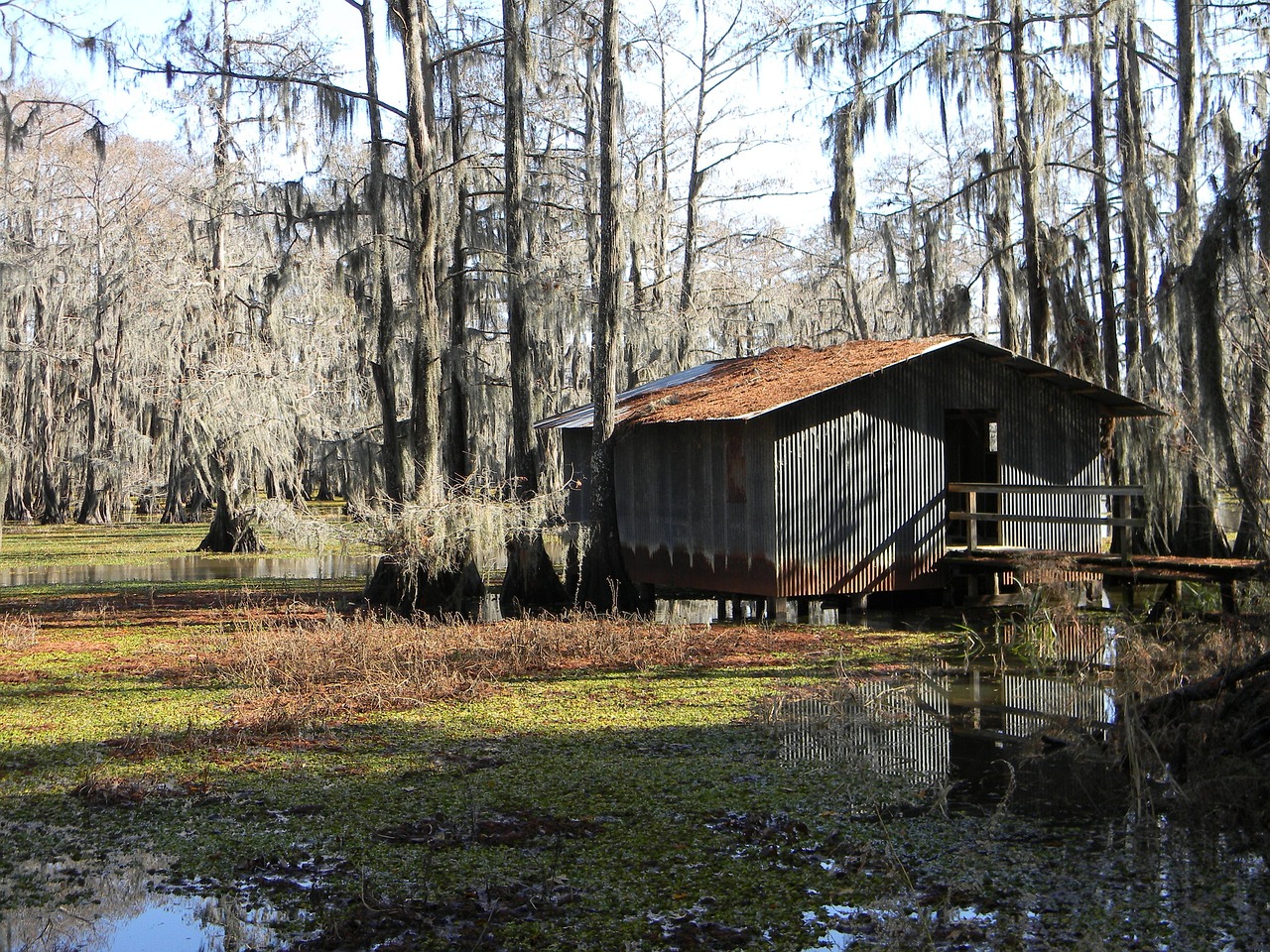
Overview of Hydrilla in Louisiana
Hydrilla verticillata is established in multiple freshwater systems throughout Louisiana. The state’s warm climate, slow-moving bayous, reservoirs, and nutrient-enriched waters create favorable conditions for dense vegetative growth.
Louisiana’s hydrological connectivity through river systems and floodplain lakes facilitates dispersal and long-term persistence.
A complete biological overview of the species is available in the Hydrilla master guide.
Historical Introduction and Spread
Hydrilla spread into Louisiana through regional expansion from neighboring Gulf Coast states and through secondary dispersal by recreational boating and waterfowl.
Once introduced into a freshwater system, Hydrilla can rapidly establish due to vegetative reproduction through tubers, turions, and fragmentation.
Reproductive strategies are detailed in the Hydrilla biology section.
Major Affected Waterbodies
Hydrilla has been documented in several Louisiana freshwater systems, including:
- Toledo Bend Reservoir (shared with Texas)
- Red River backwaters
- Atchafalaya Basin freshwater areas
- Various inland reservoirs and impoundments
Slow-moving freshwater systems with high nutrient loads are particularly susceptible to canopy formation.
Management and Control Programs
Louisiana agencies implement integrated management programs to maintain navigability, protect fisheries, and reduce excessive vegetative growth.
Management tools commonly include:
- Systemic herbicide applications
- Biological control using triploid grass carp
- Mechanical harvesting in high-use recreational areas
Detailed control methods are described in the Hydrilla control section.
Ecological Impact in Louisiana
Dense Hydrilla growth can alter water flow in bayous and reservoirs, influence dissolved oxygen concentrations, and affect native plant communities.
While moderate vegetation may provide habitat complexity, excessive growth can impede navigation and alter fisheries dynamics.
Broader ecological implications are discussed in the Hydrilla impact section.
Current Status and Monitoring
Hydrilla remains present in multiple Louisiana freshwater systems. Management intensity varies by waterbody and recreational demand.
Ongoing monitoring programs evaluate vegetation density, water quality effects, and treatment effectiveness.
Additional state profiles are available in the Hydrilla distribution hub.
References
Information presented on this page is supported by peer-reviewed research, federal agencies, and state resource management programs.
- U.S. Geological Survey (USGS) – Nonindigenous Aquatic Species Databasehttps://nas.er.usgs.gov
- U.S. Army Corps of Engineers – Aquatic Plant Control Research Programhttps://www.erdc.usace.army.mil
- NOAA Aquatic Invasive Species Programhttps://www.noaa.gov